
SARDIS CHURCH
By Slowtravelguide
SARDIS CHURCH OF REVELATION, AND IMPRESSIVE RESTORATION PROJECT
Sardis church is the more popular name for SardEs, or Sardes depending on the source. Its designation as the fifth of the Seven Churches of Asia in the Book of Revelation gave rise to its name. Revelation 3:1–6 refers to the Sardis church as the dead church that slept. None of the church structures that are still standing in Sardis are from that historical period. There are still many more buildings to be discovered, but the Gymnasium and the Synagogue have undergone painstaking restoration.
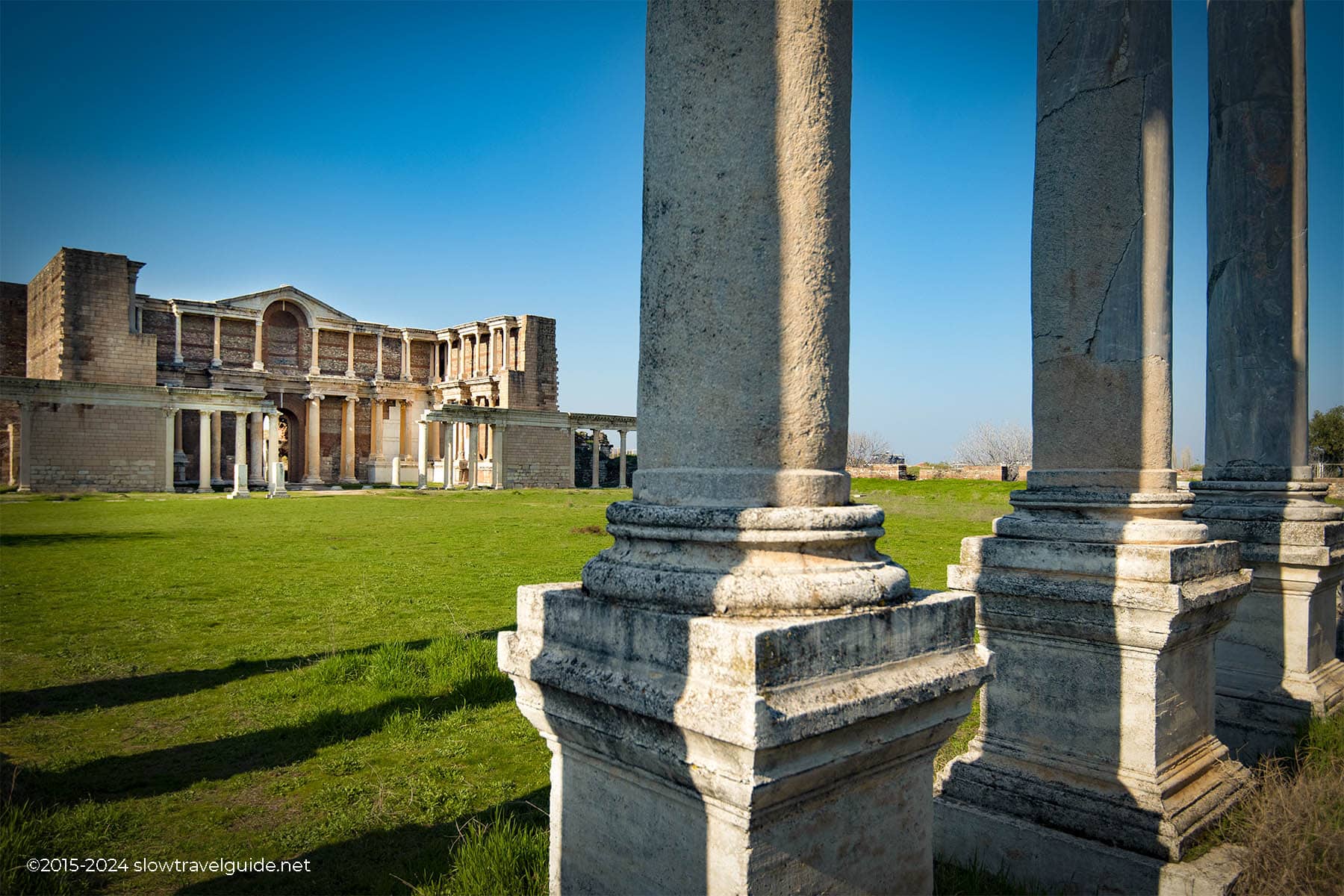
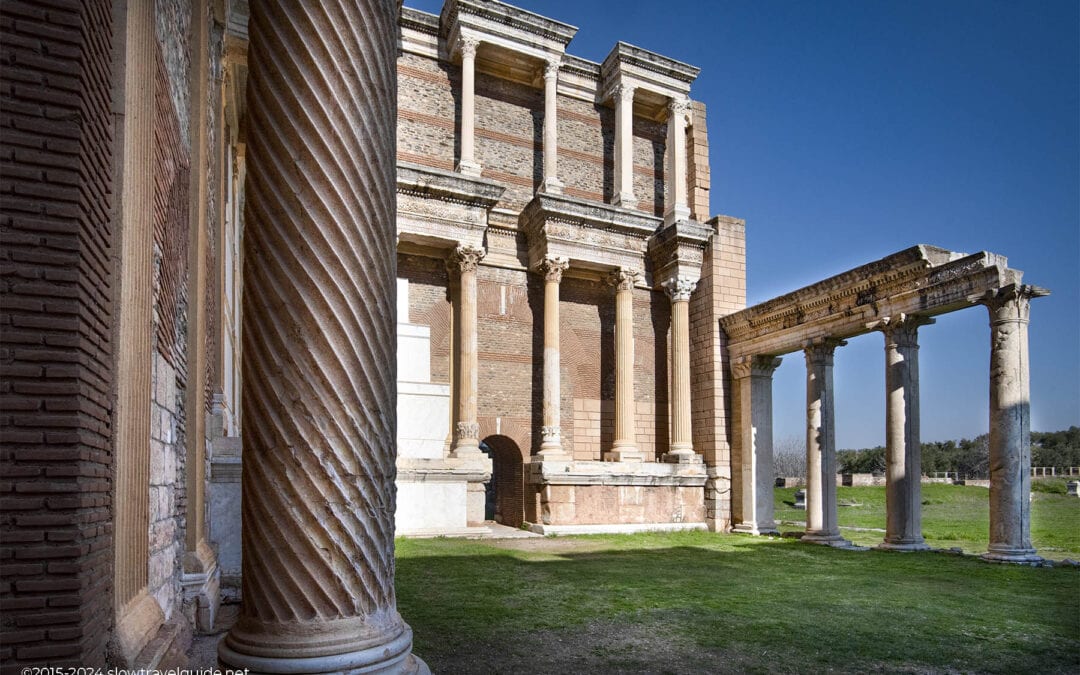
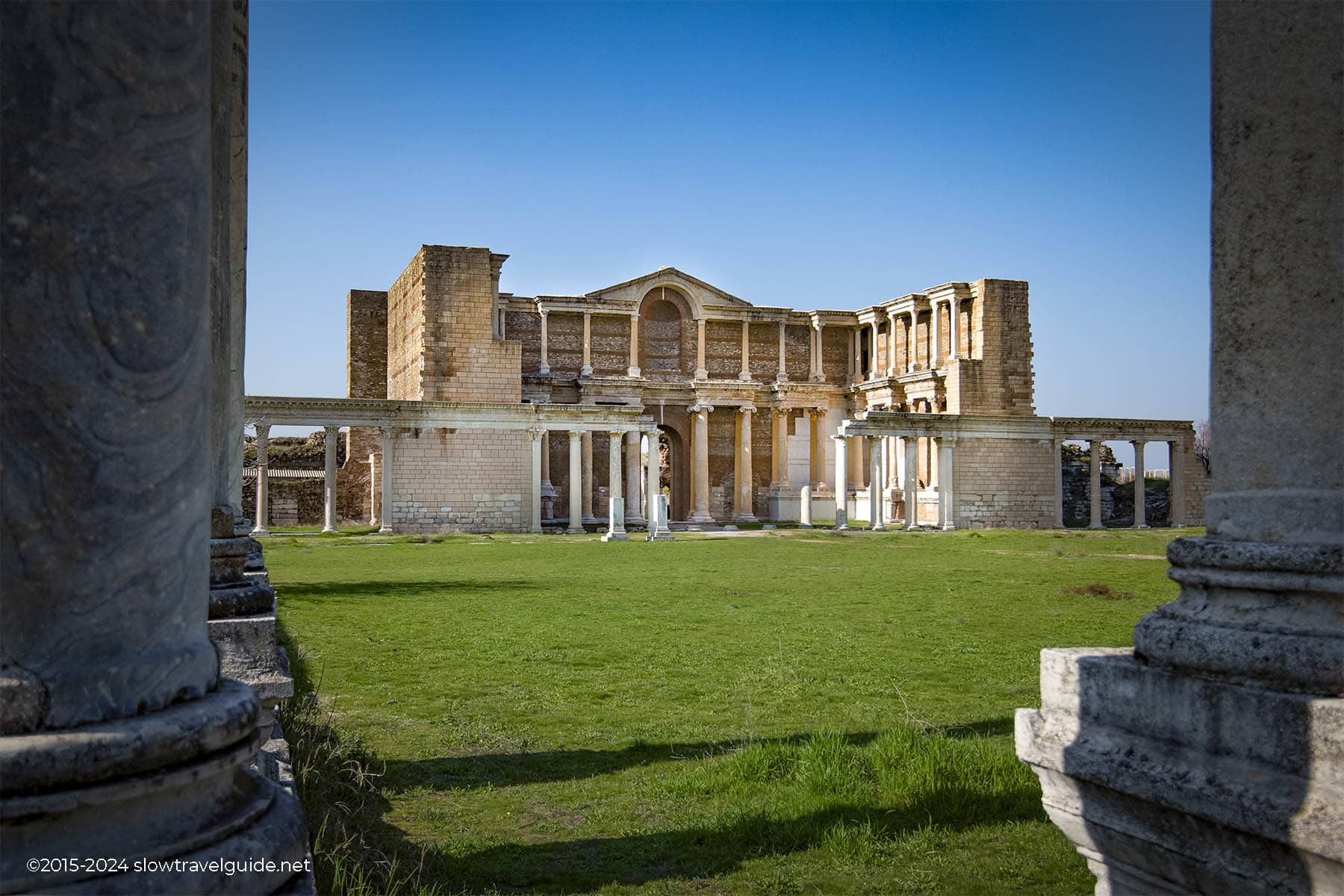
View Of The Gymnasium From Behind Some Of The Palaestra Columns
A BIT OF HISTORY
During the seventh and sixth centuries BC, Sardis served as the capital of the Lydian empire. Following that, it was ruled by the Persians and turned into the provincial capital of Asia Minor until Alexander the Great’s conquest, at which point it was added to the Hellenistic lands and the theatre and Temple of Artemis were constructed. By 133 BC, Sardis and Lydia are ruled by the Romans, and numerous municipal structures, including a stadium, a temple dedicated to the imperial worship, baths, and aqueducts, are constructed. Later on, between the 4th and 5th century AD, the synagogue, a few churches, a basilica, and the Byzantine shops were built when Rome was still in power. Beginning in the sixth century AD, the city began to decay.
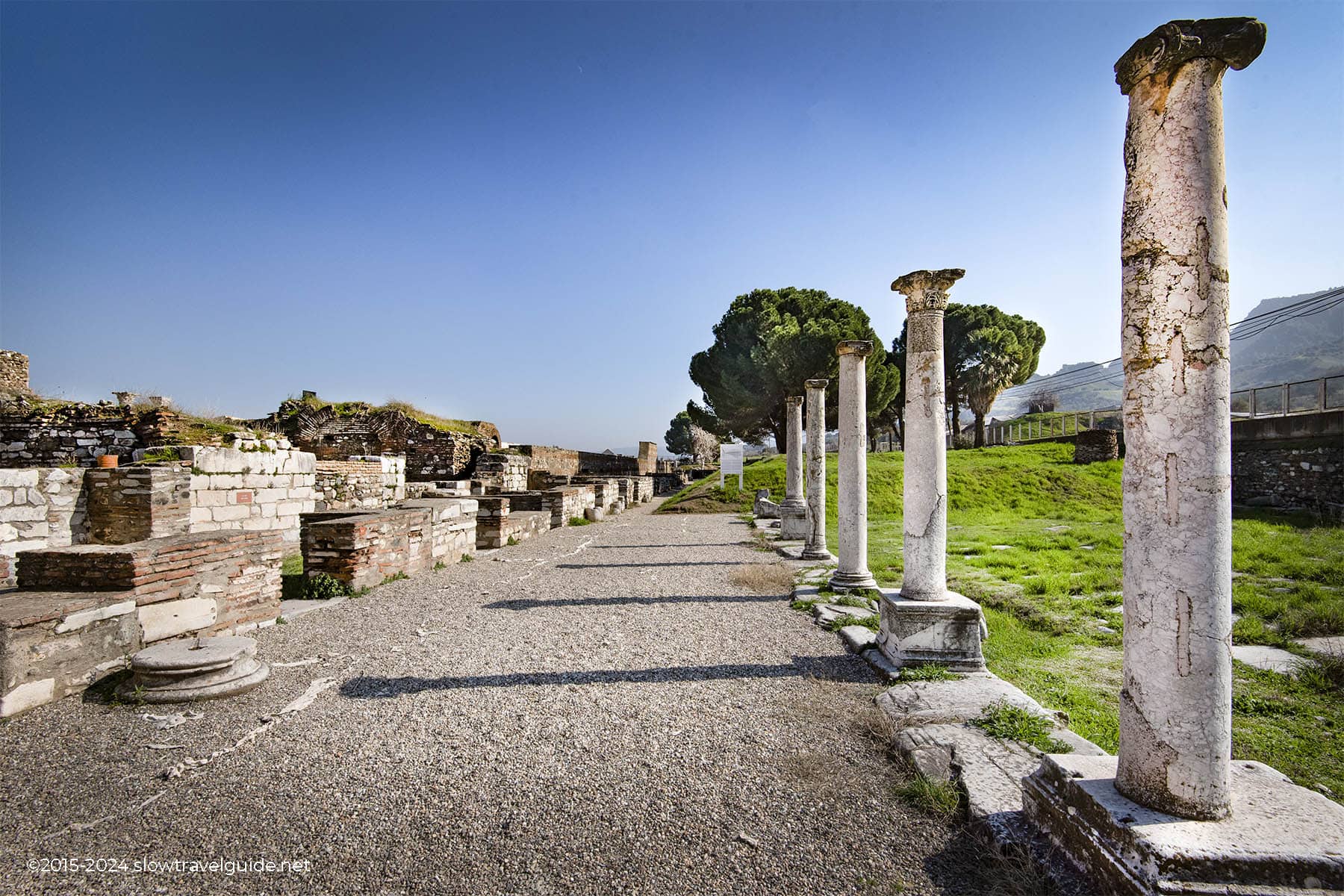
Byzantine Shopping Street At Sardis
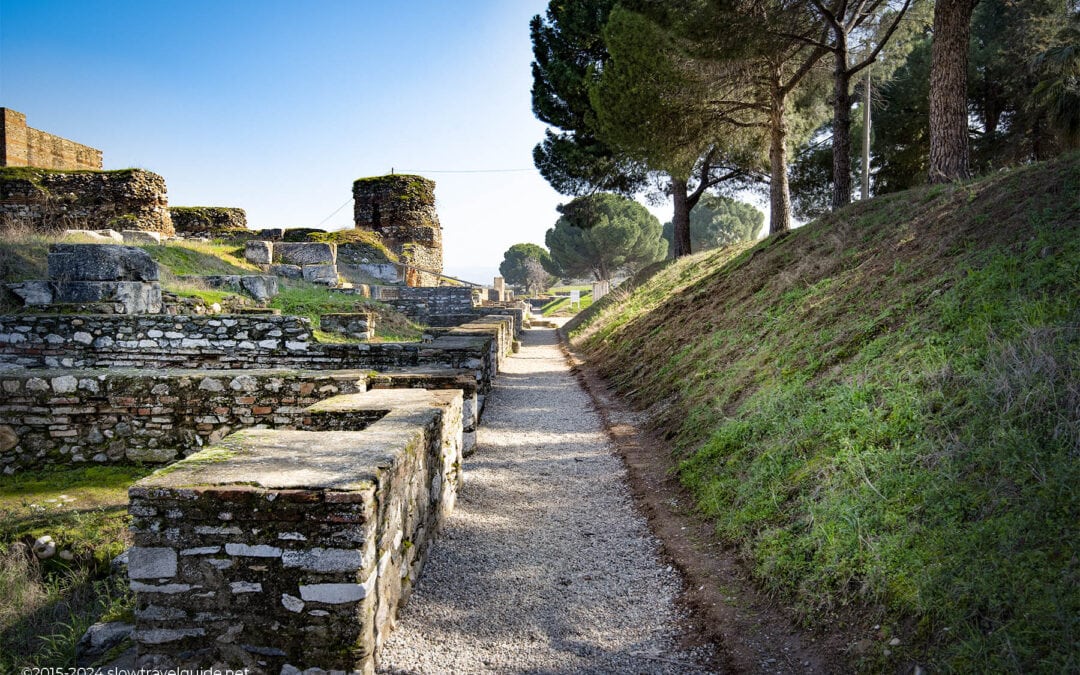
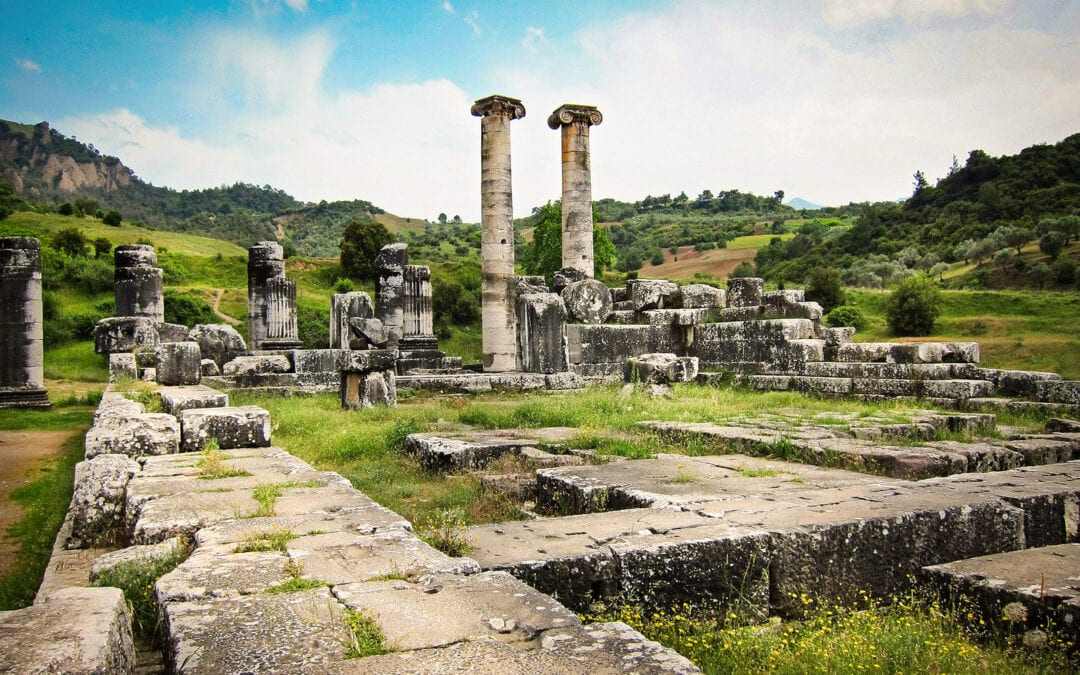
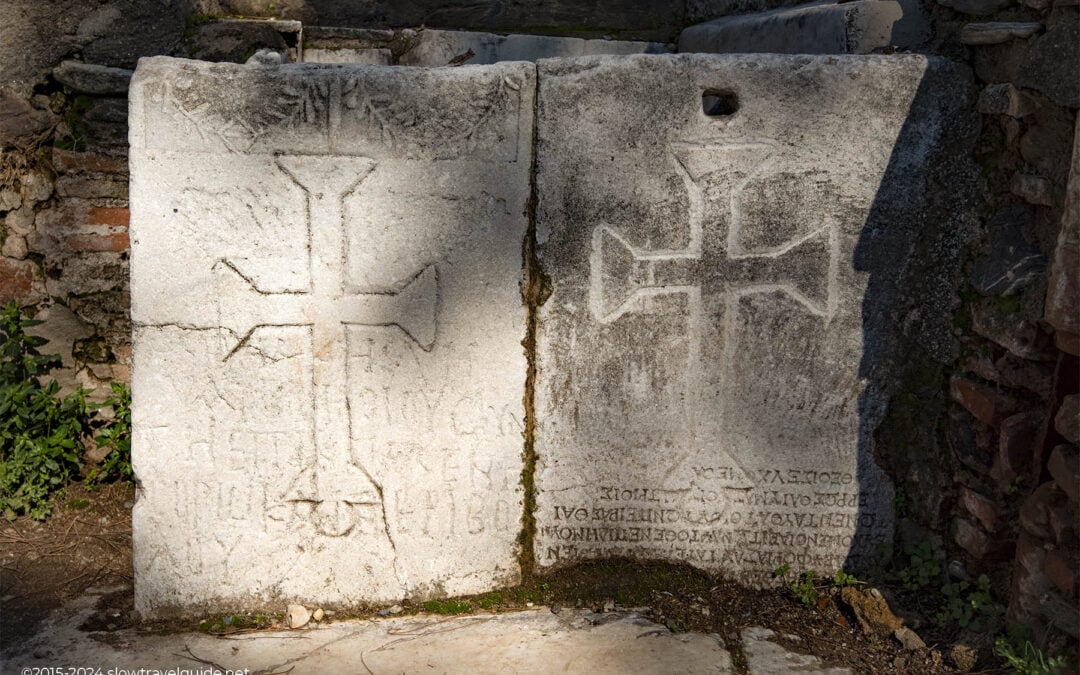
Under the reign of Emperor Augustus, the Gymnasium and Bath Complex at Tralleis was constructed in the ensuing century, in the second century AD. Currently, this is the most impressive ruin of the ancient site. Following the Turks’ conquest at the end of the 13th century, residents began to leave the city, which suffered from a lack of water and irreversible seismic damage.
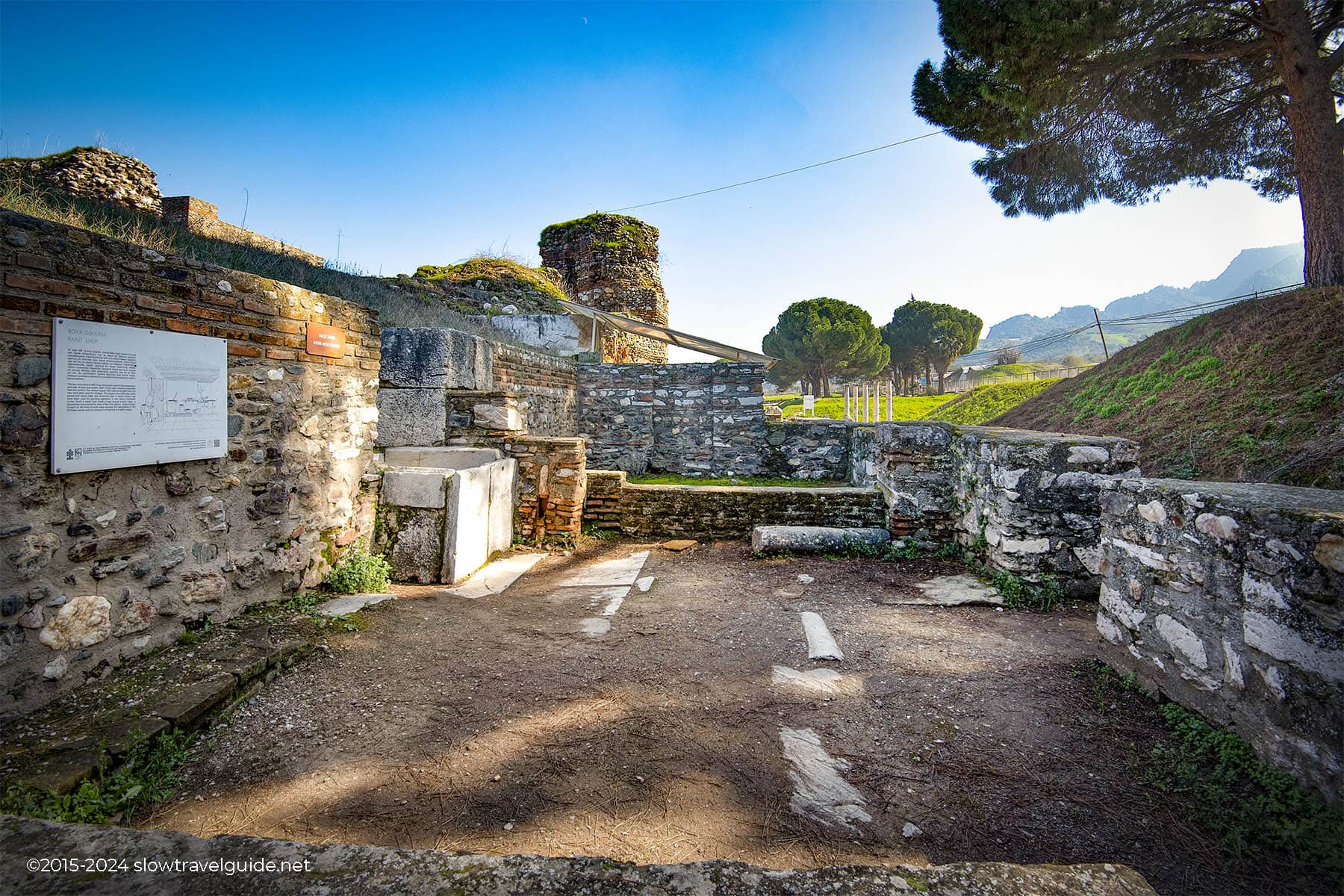
Inside The Paint Shop
THE ROMAN SYNAGOGUE AT SARDIS
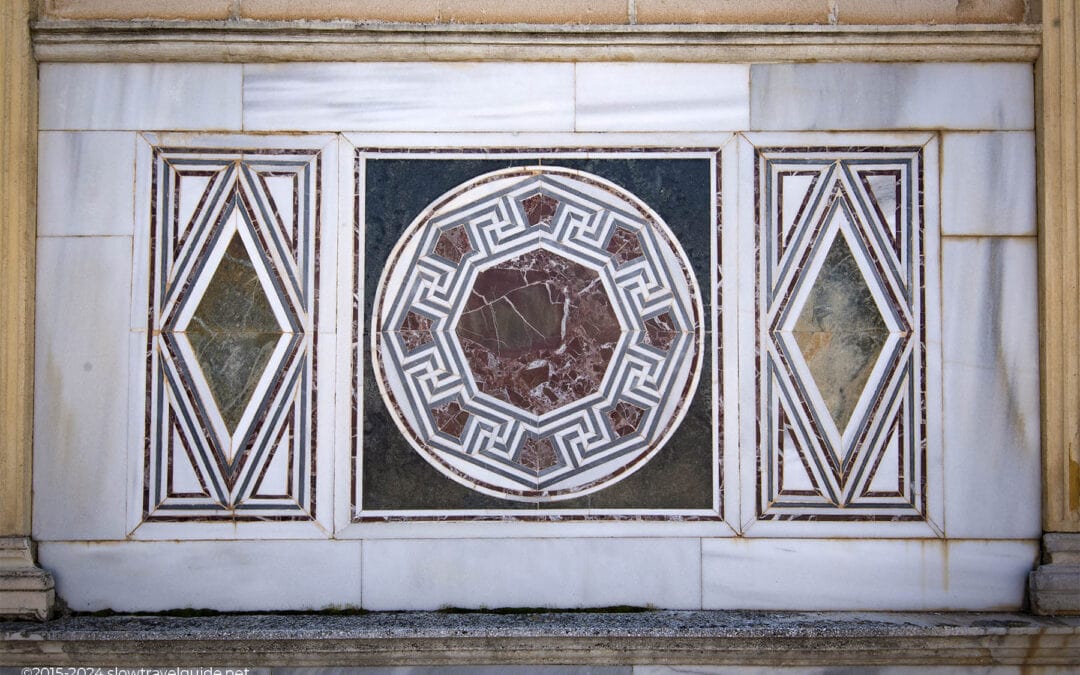
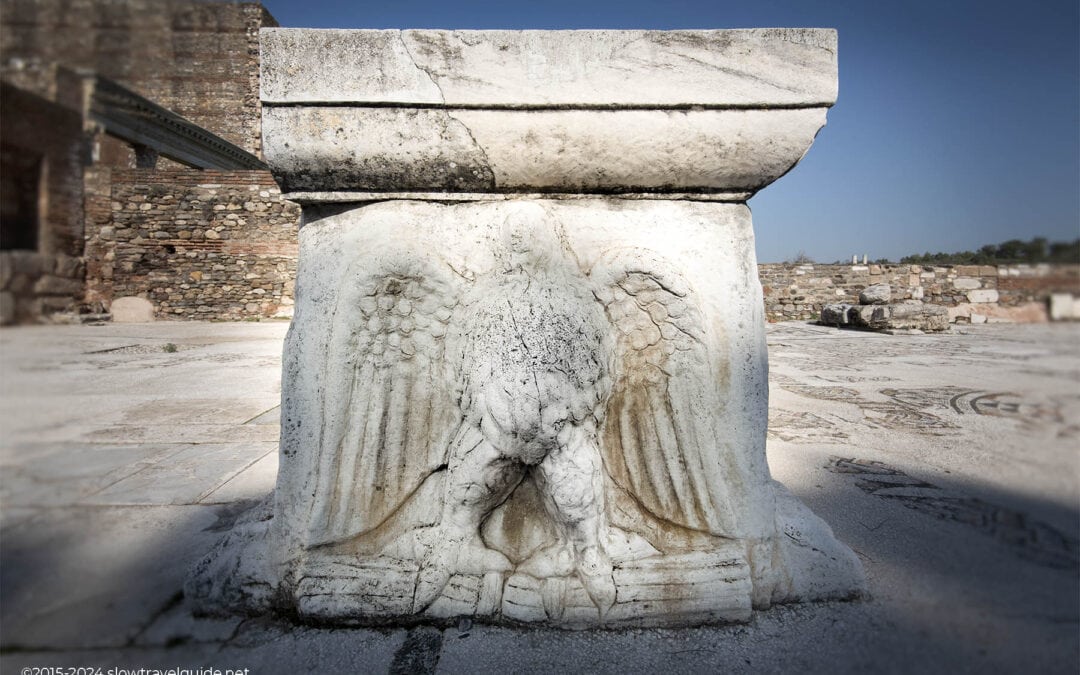
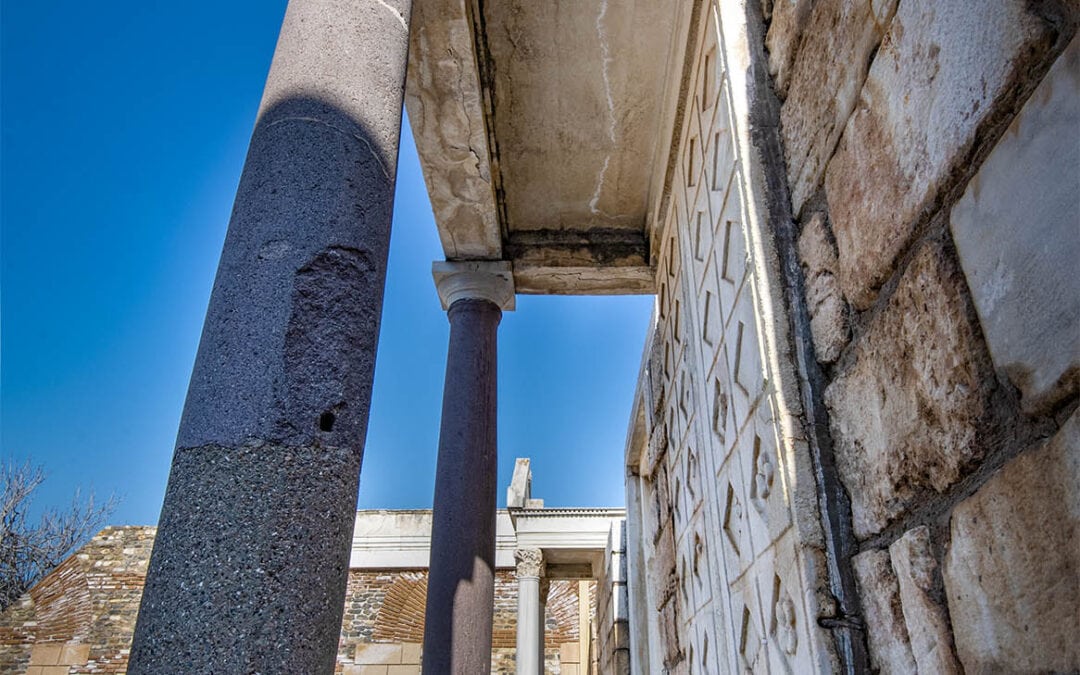
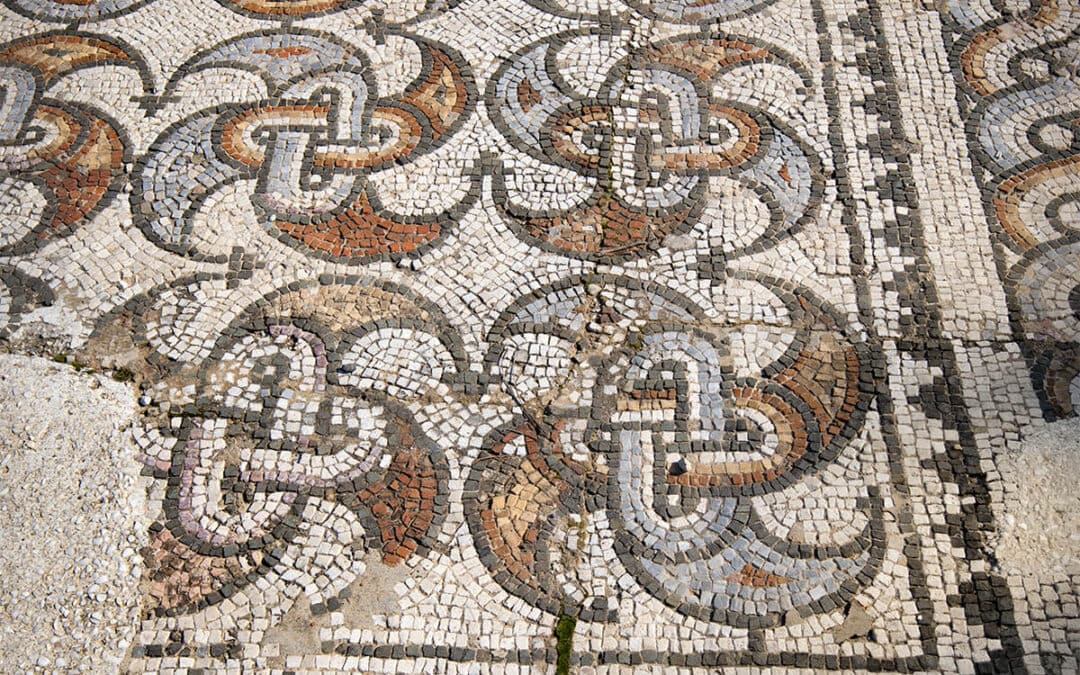
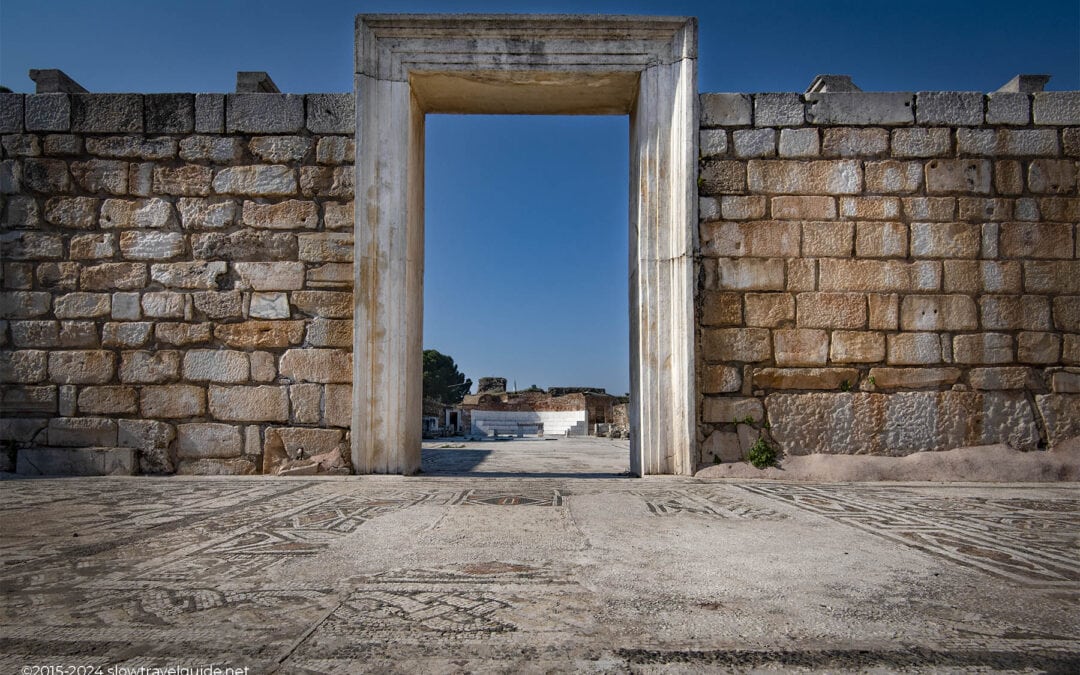
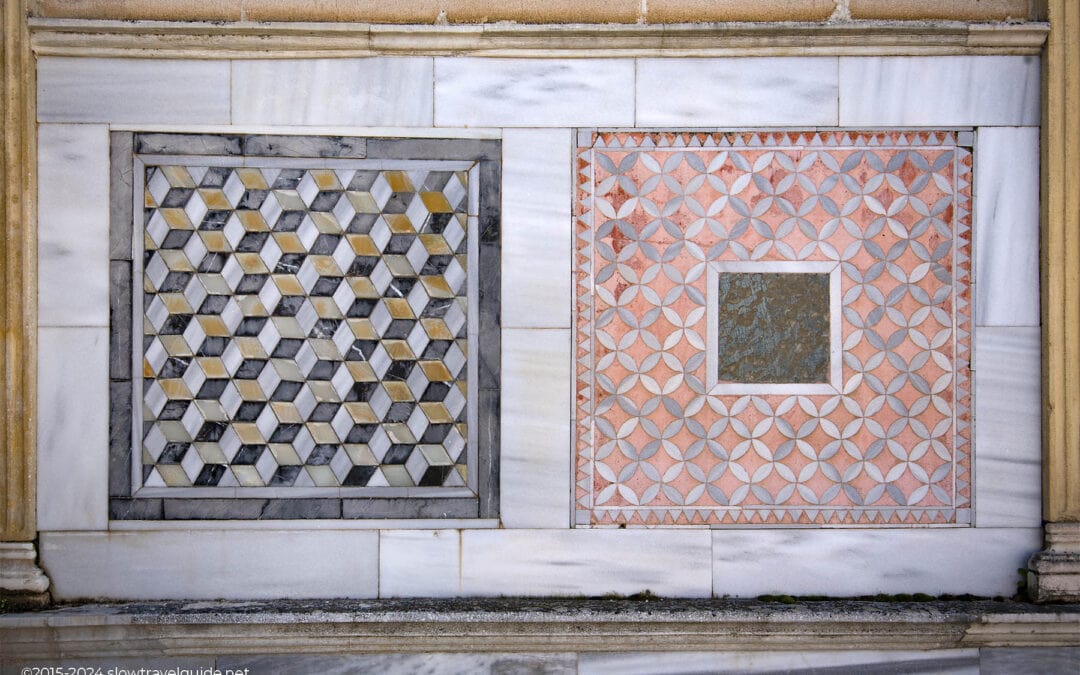
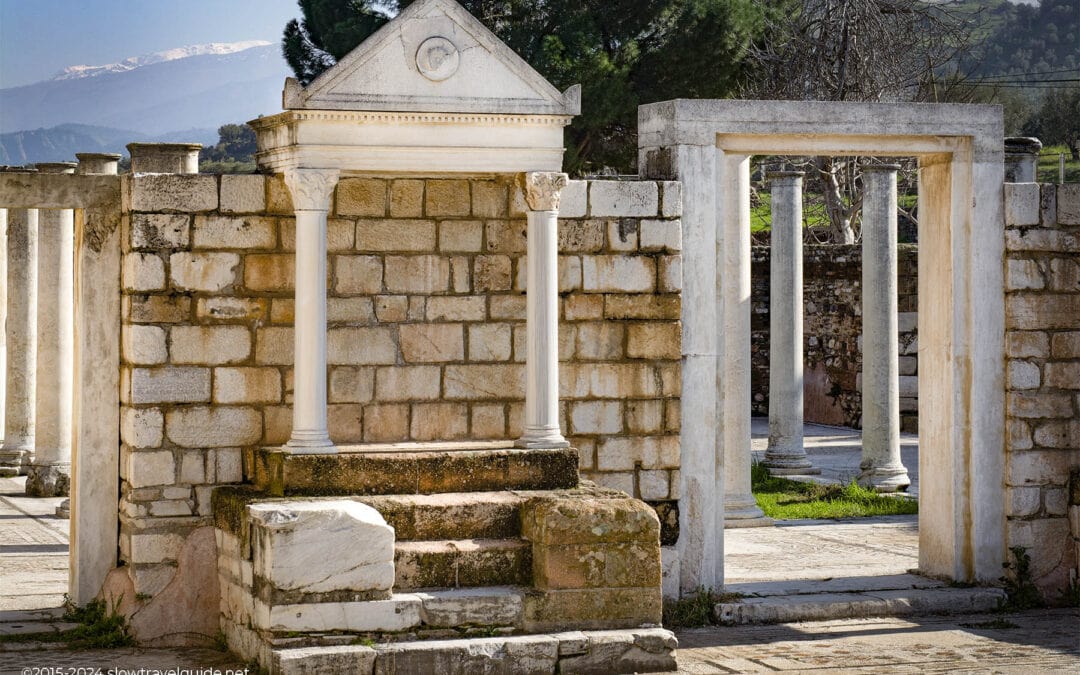
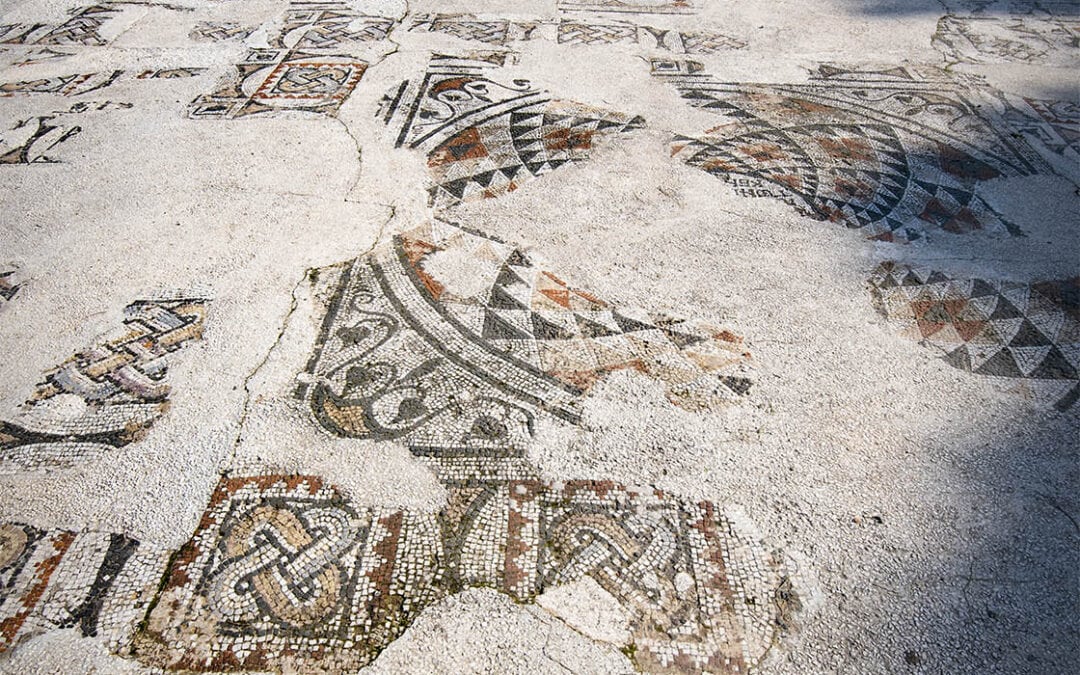
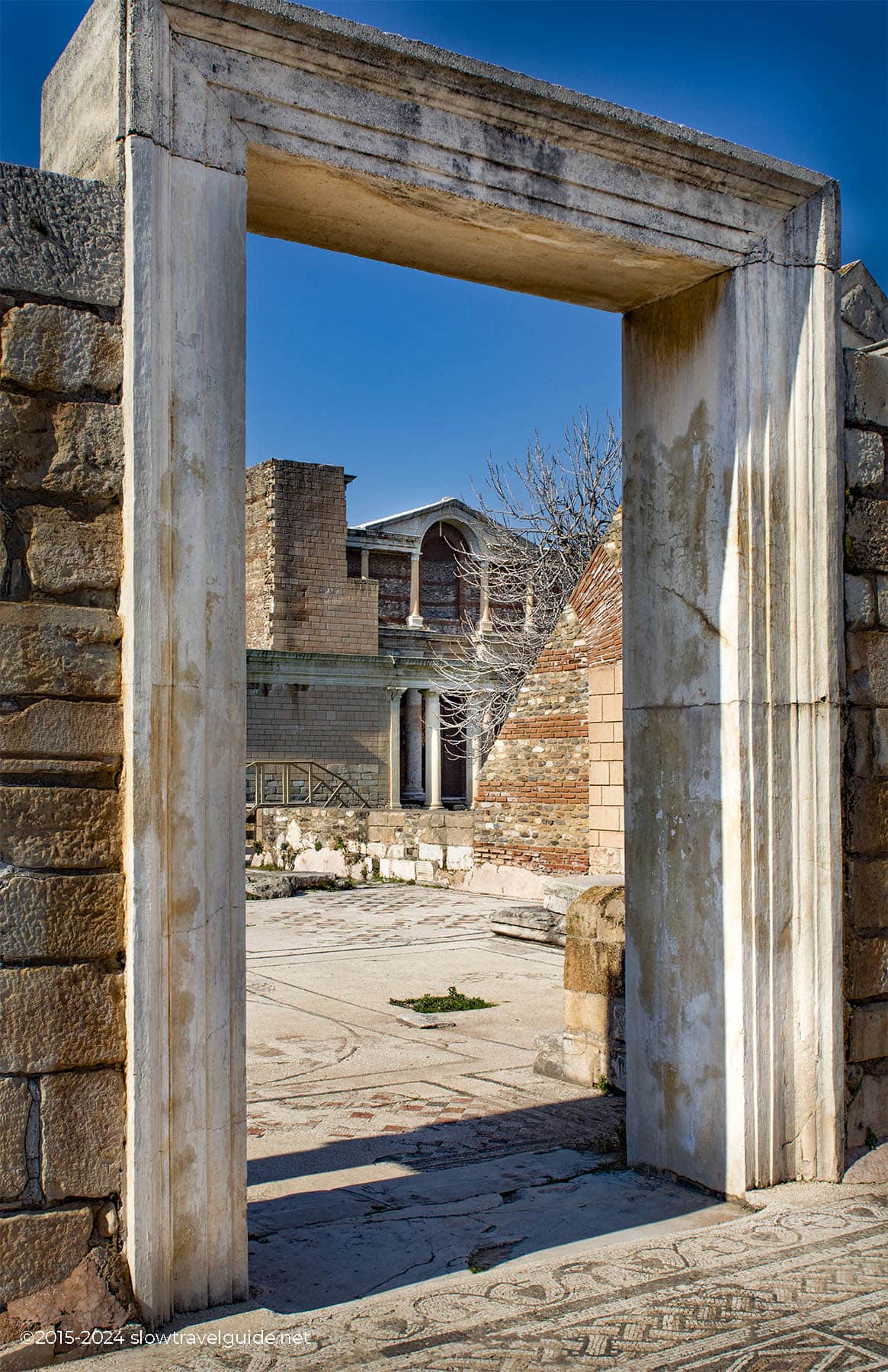
The Sardinian Synagogue was partially repaired when it was uncovered in 1962 and dates to the Late Roman era. It is next to the Palaestra, in the corner of the Roman bath-gym. The Synagogue was once entered through an elegant and elaborately constructed colonnaded forecourt; today, one enters from the side. Its walls, which were initially coated in painted plaster, were later adorned with a marble design, some of which are still fixed to the walls. A sizable urn-shaped fountain (a copy of the original marble design) in the middle of the forecourt serves as a place for visitors to wash their hands before praying.
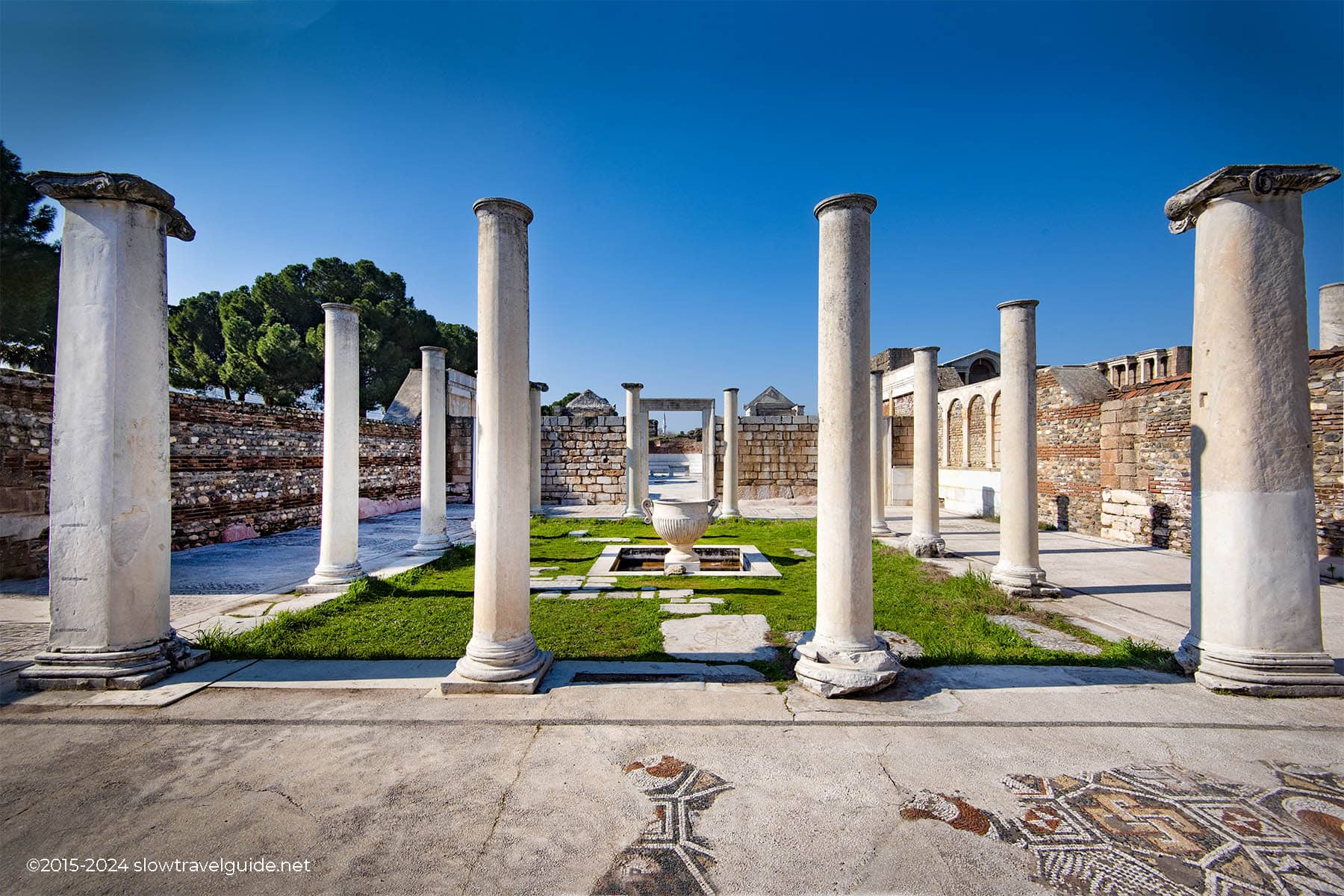
Overview Of The Synagogue Forecourt
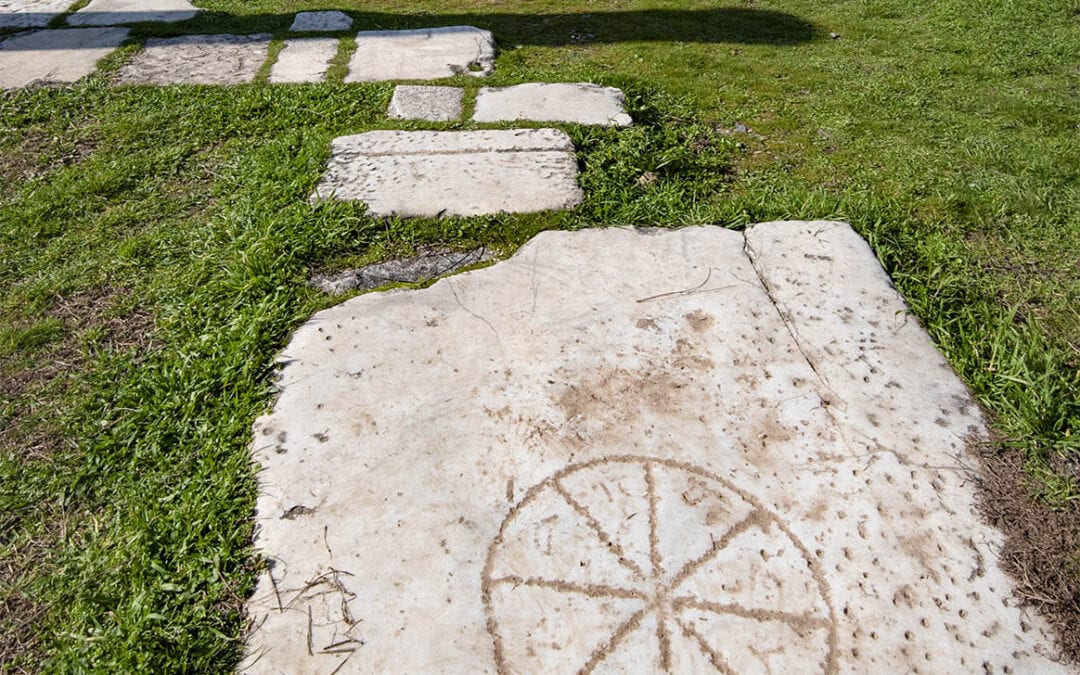
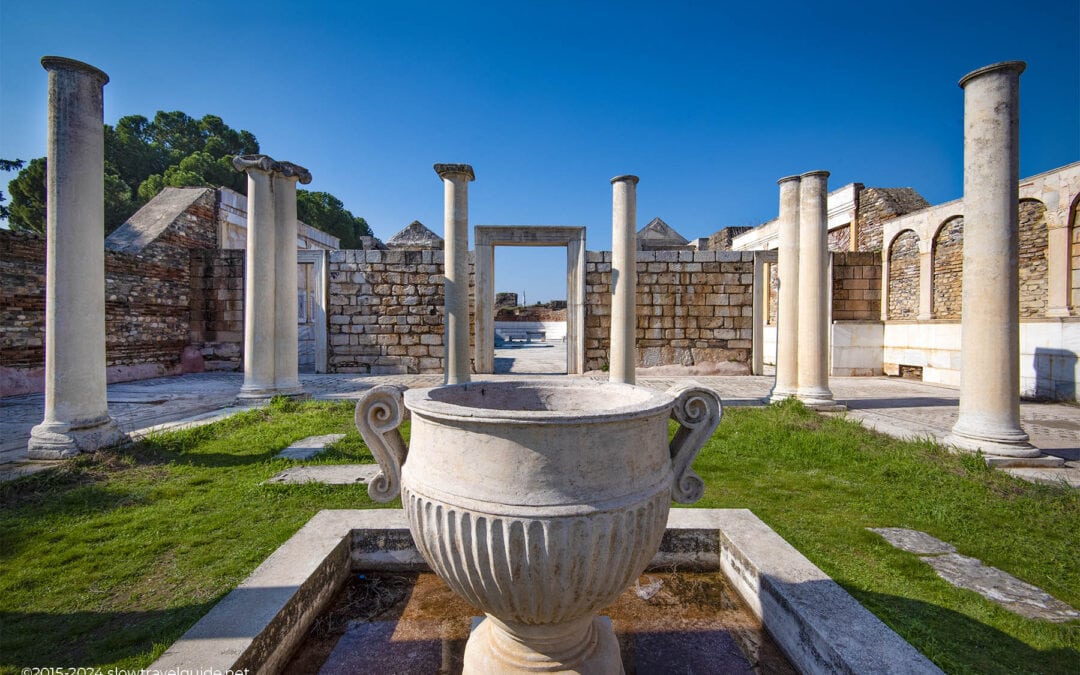
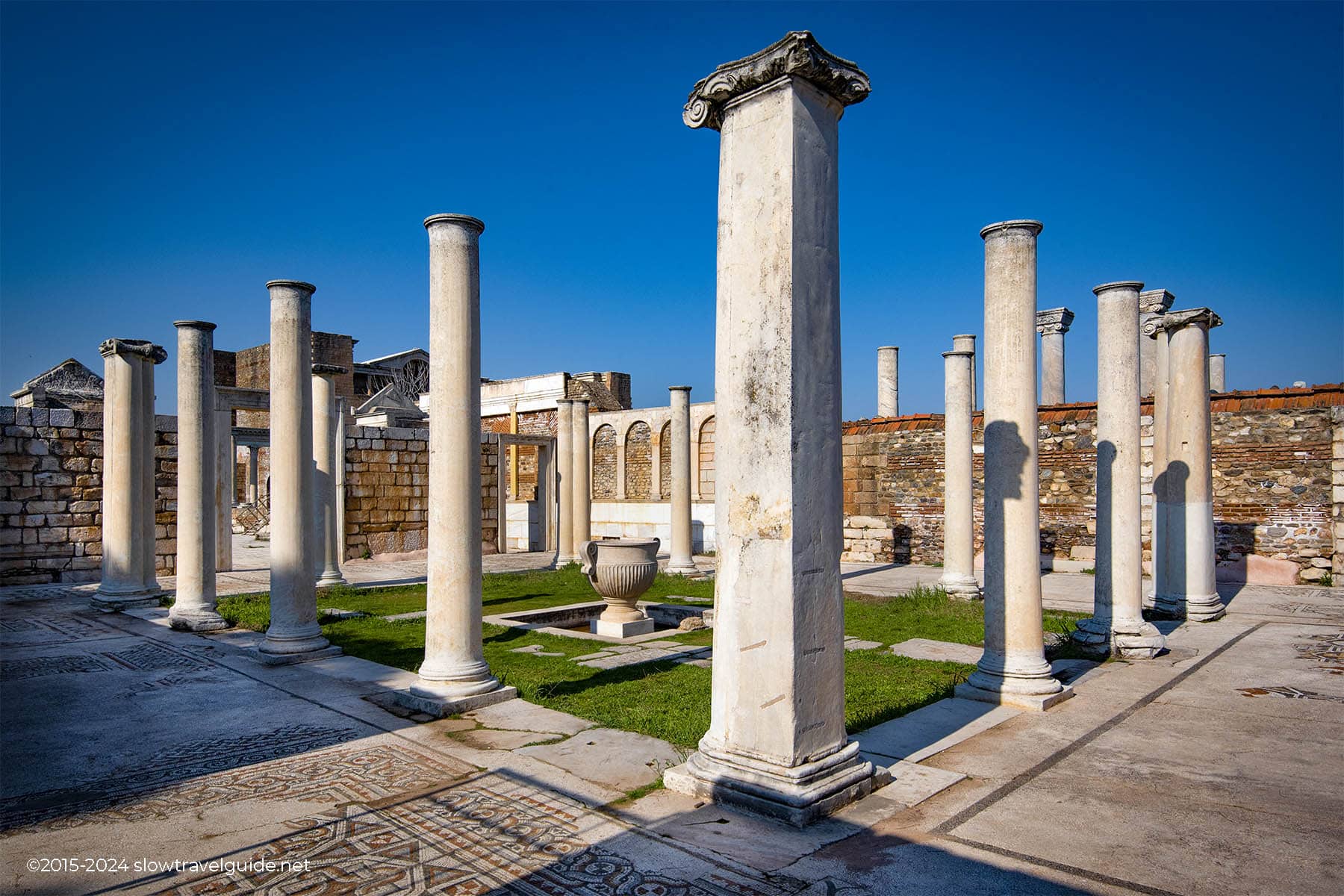
The Synagogue’s Forecourt Has Been Beautifully Restored
THE GYMNASIUM, OFTEN MISTAKEN FOR SARDIS CHURCH
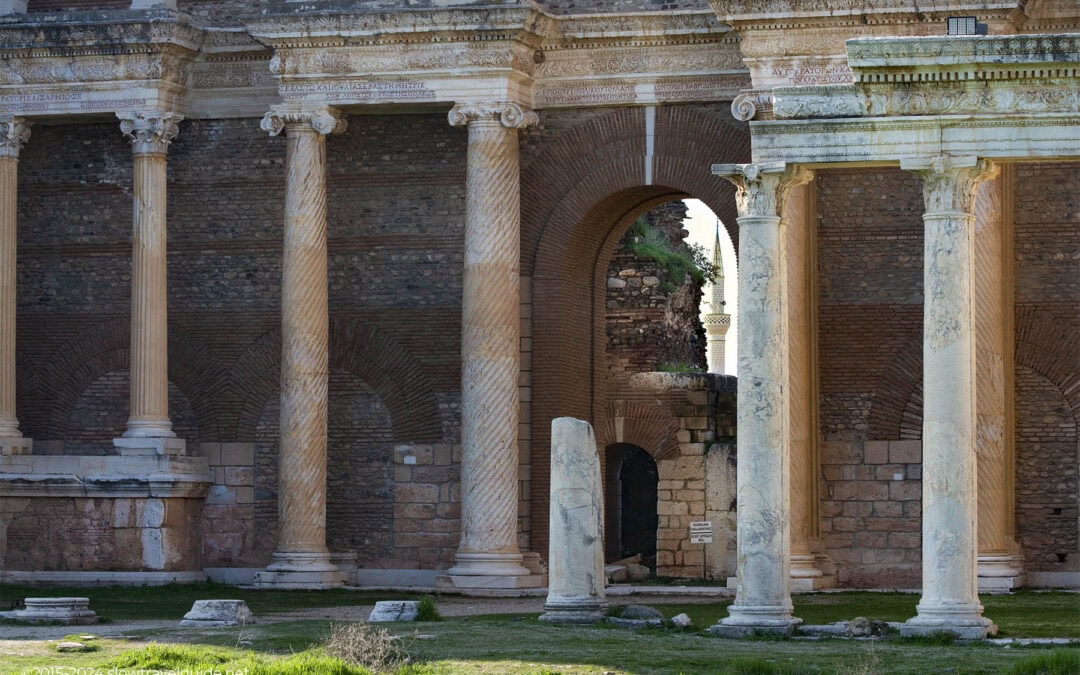
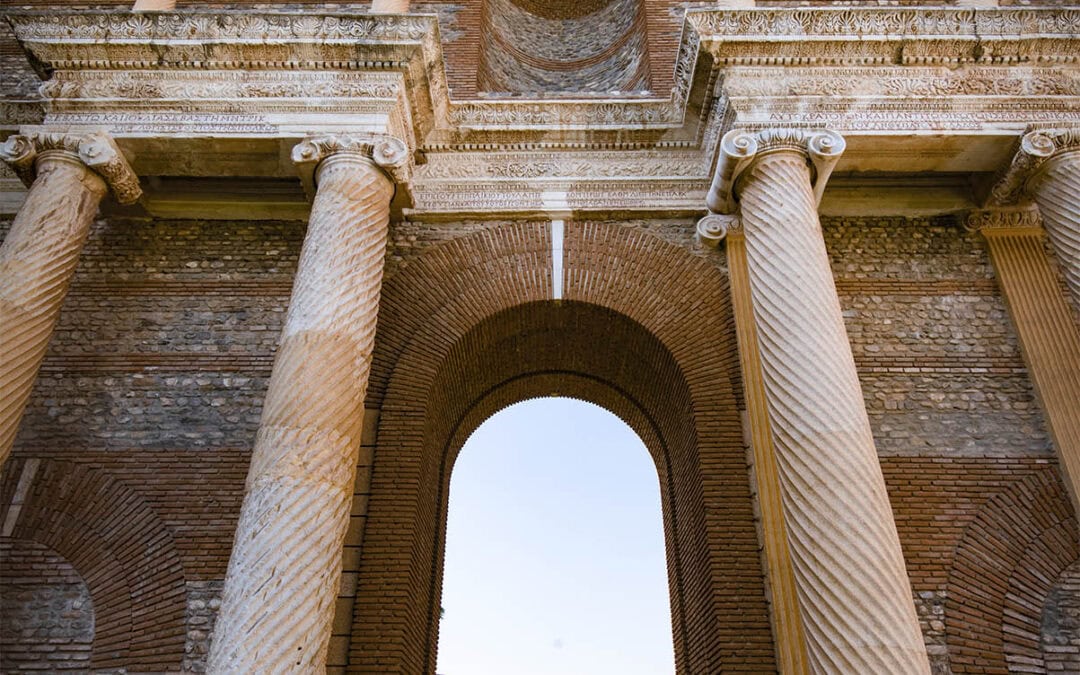
Most commonly, when you see a photo of Sardis, it’s the partially rebuilt Gymnasium; this area is mistakenly called Sardis church. Without a doubt, the site’s biggest draw is the gymnasium. It is a part of the expansive Roman Bath complex, which spans 23,000 m^ and includes hot and cold water pools as well as two imposing bath houses.
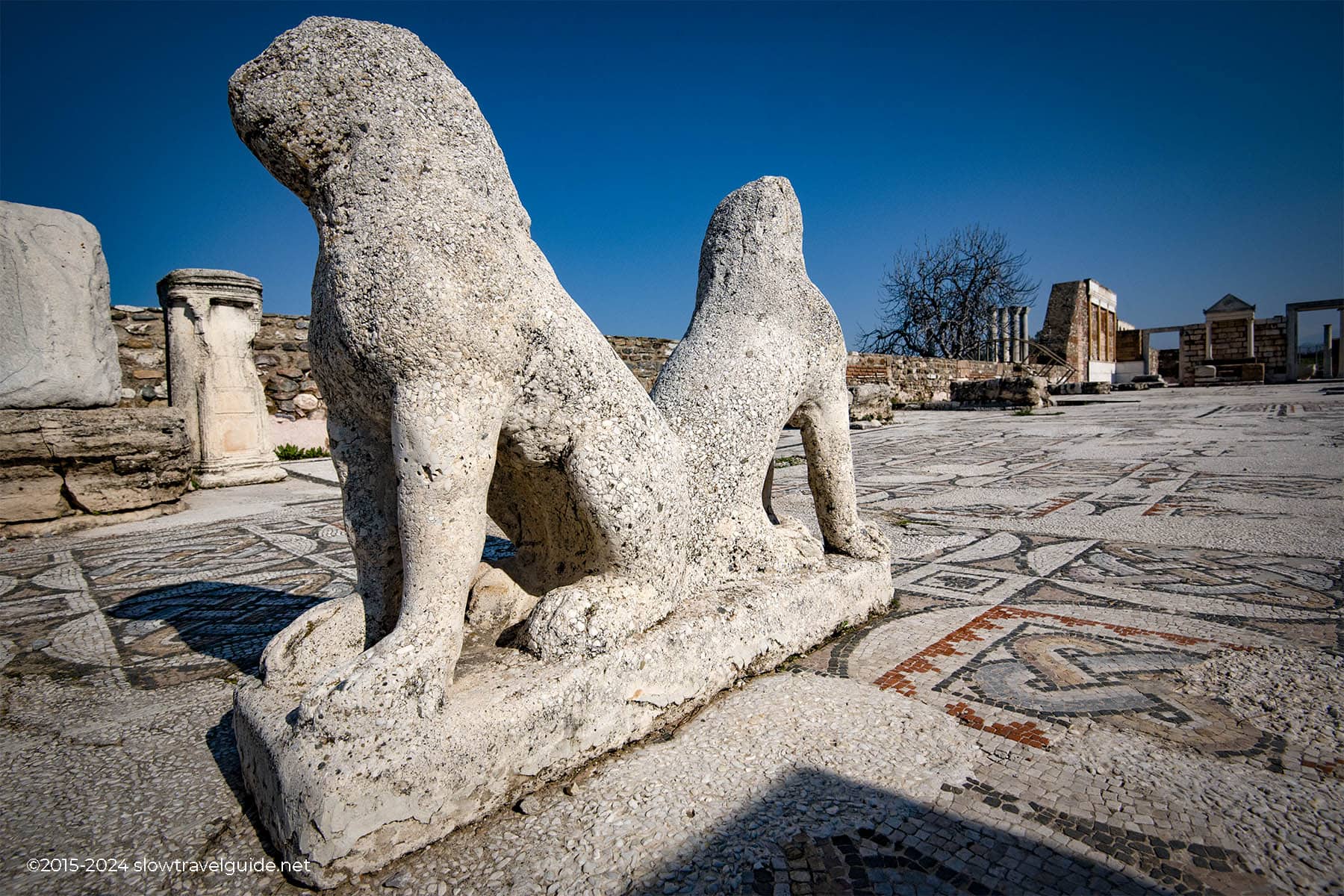
Lion Statues Inside The Synagogue
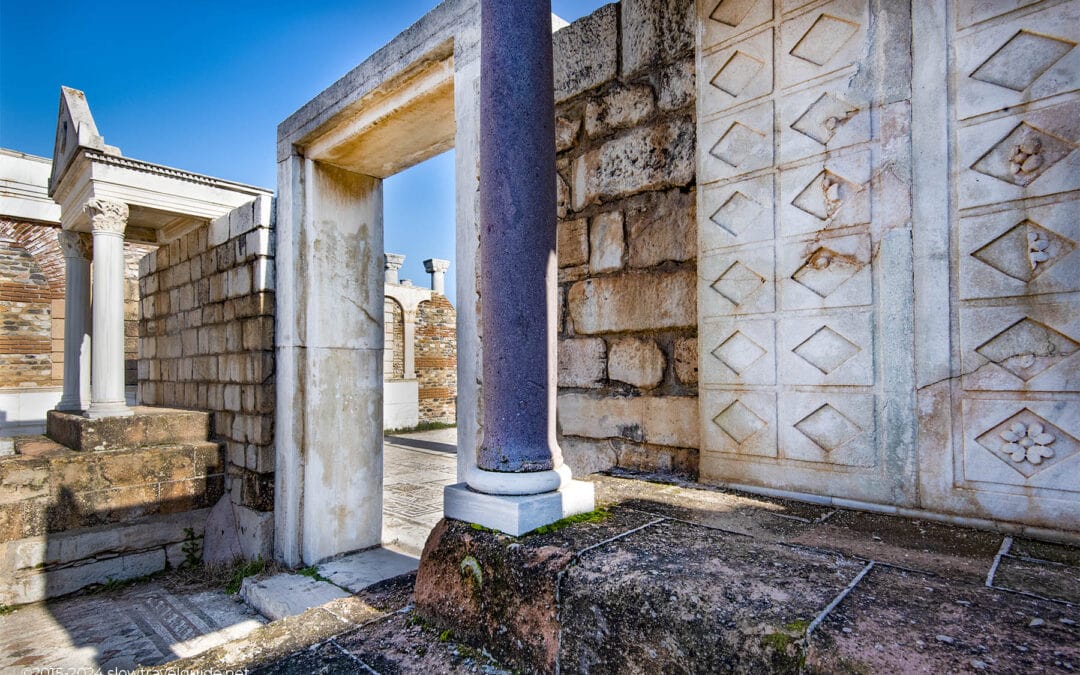
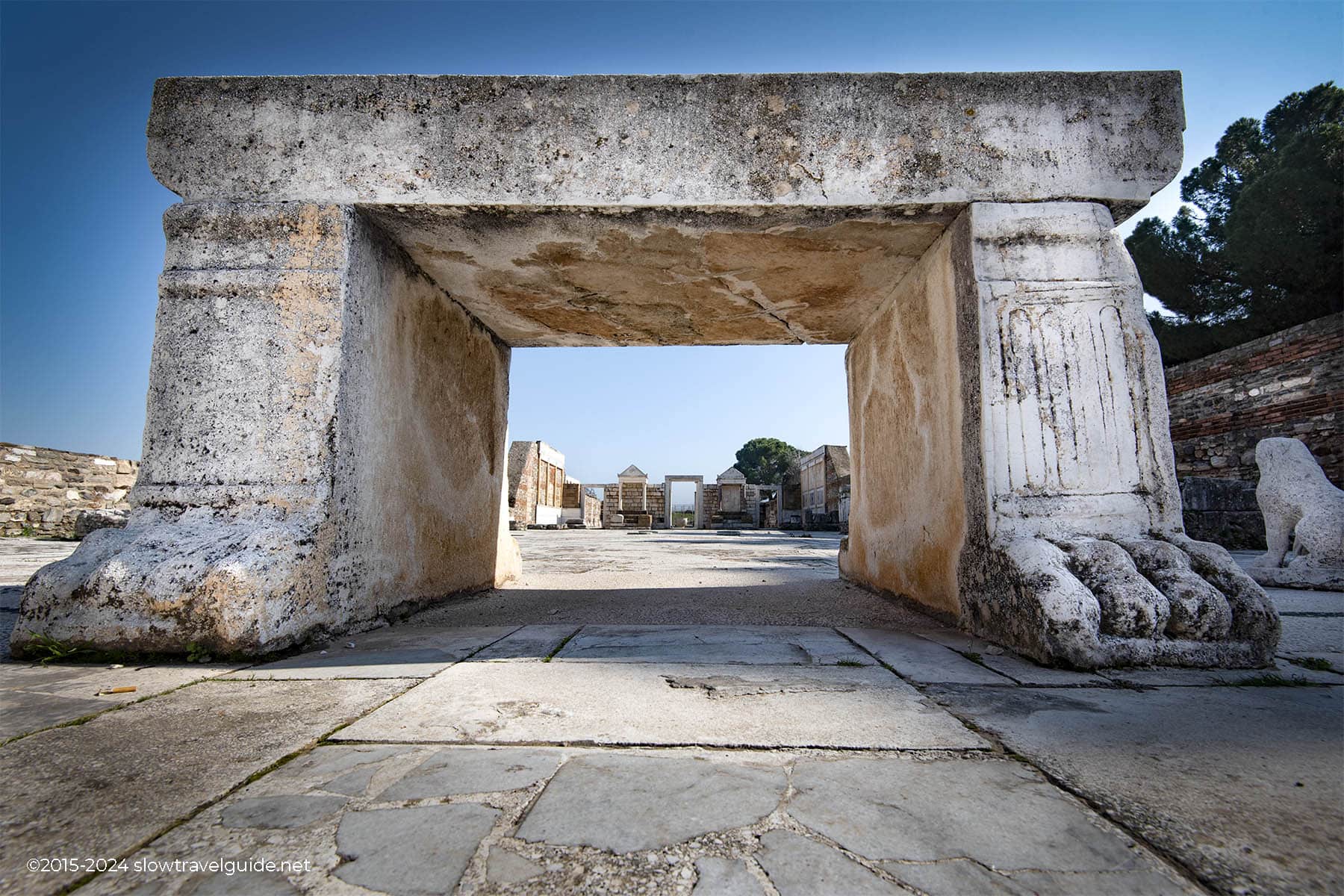
A Different Perspective Of The Synagogue
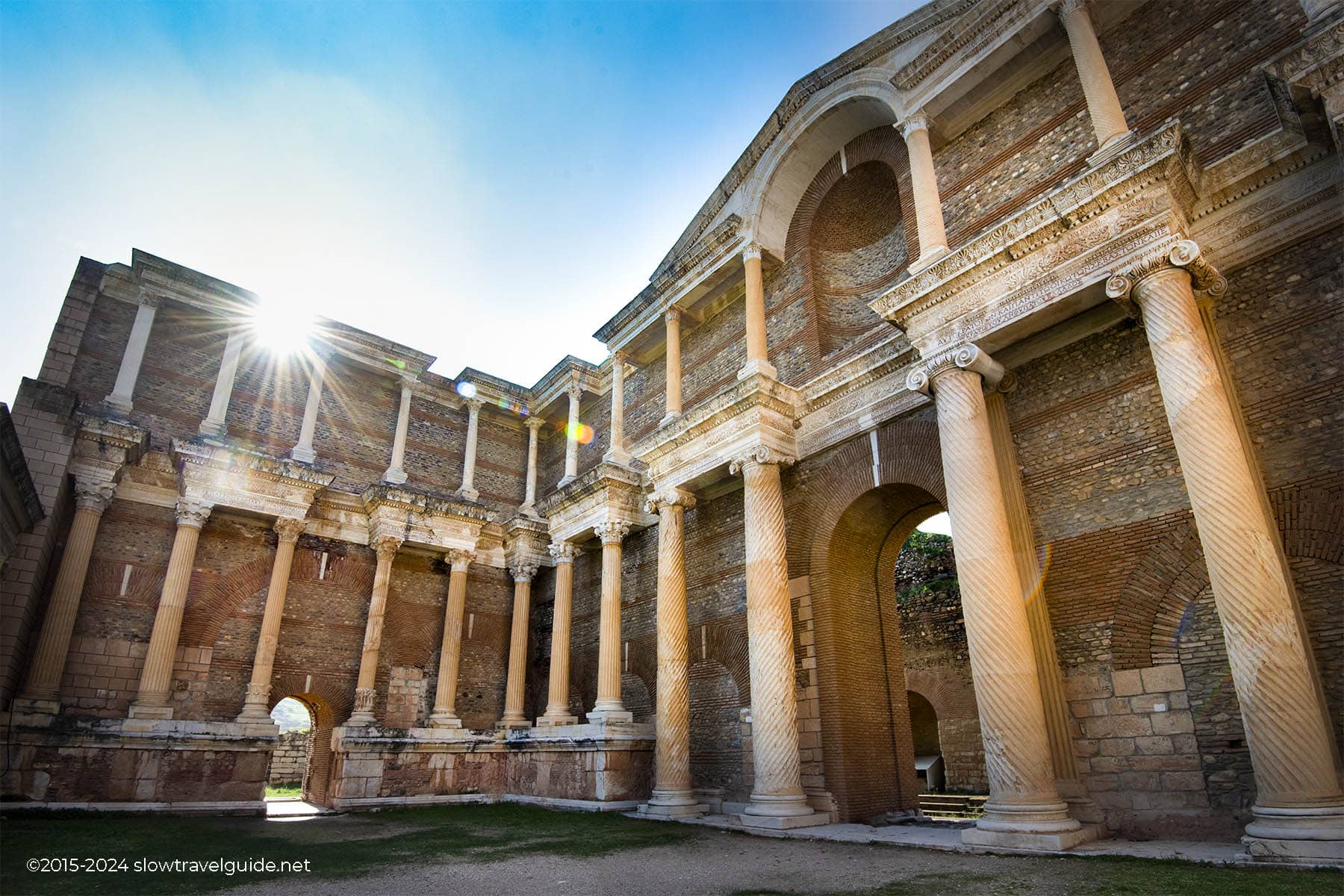
Almost Sunset At The Gymnasium
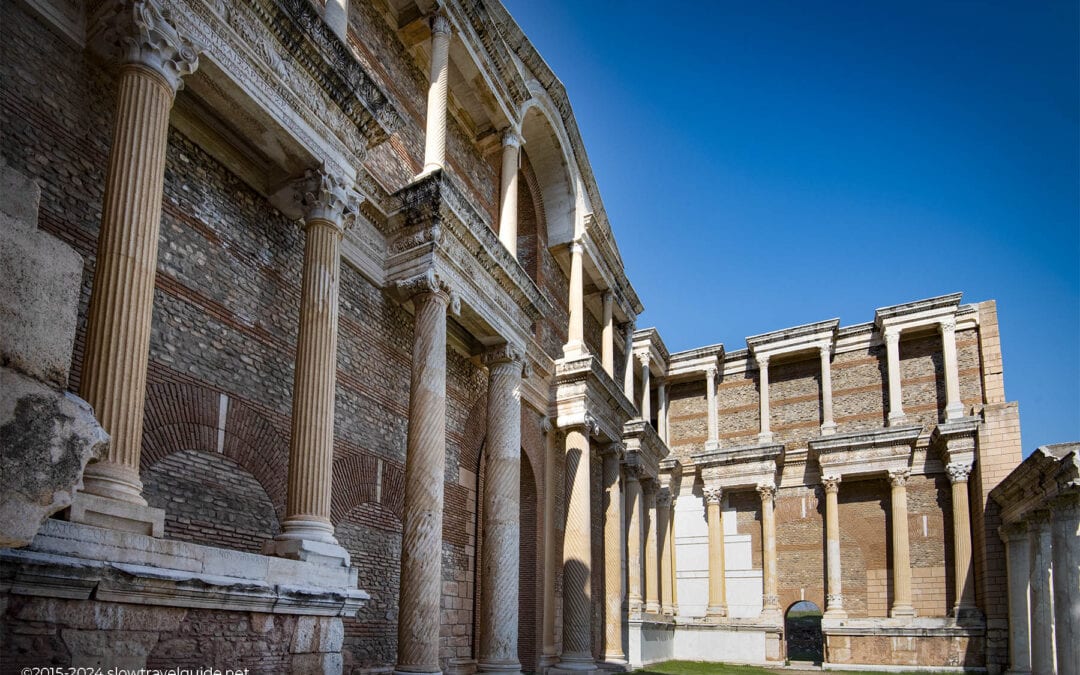
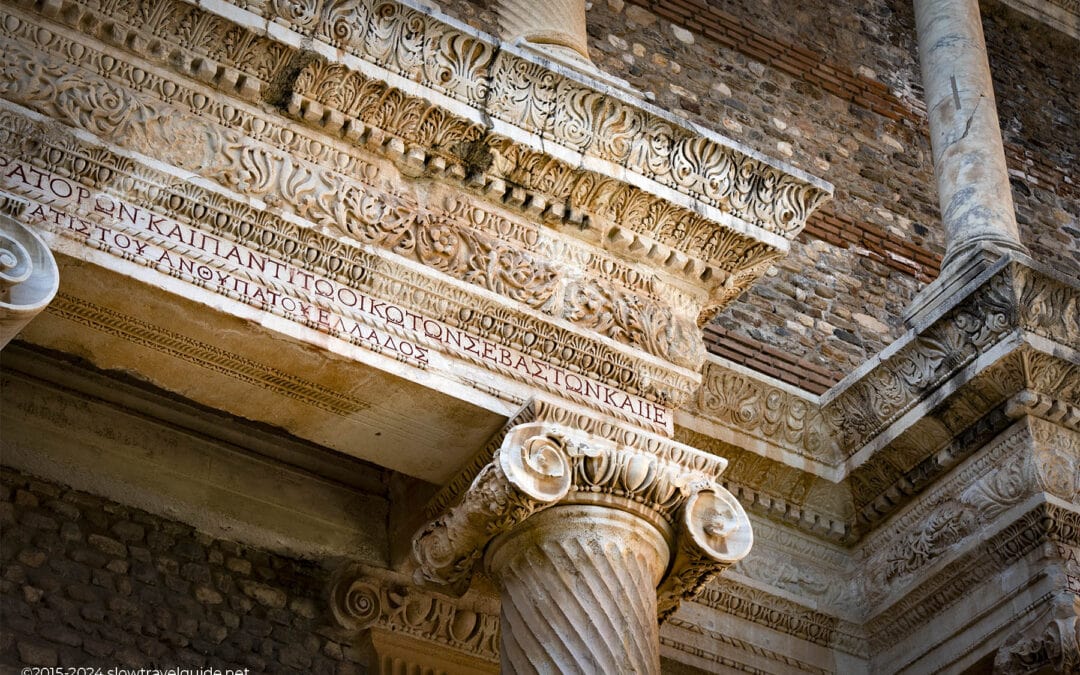
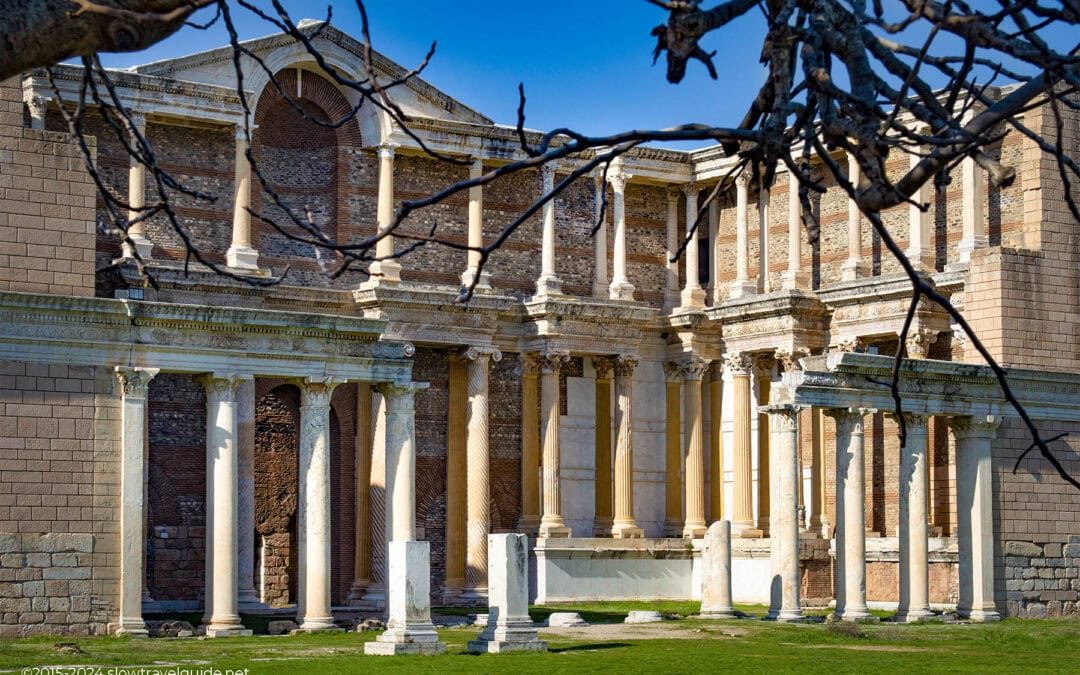
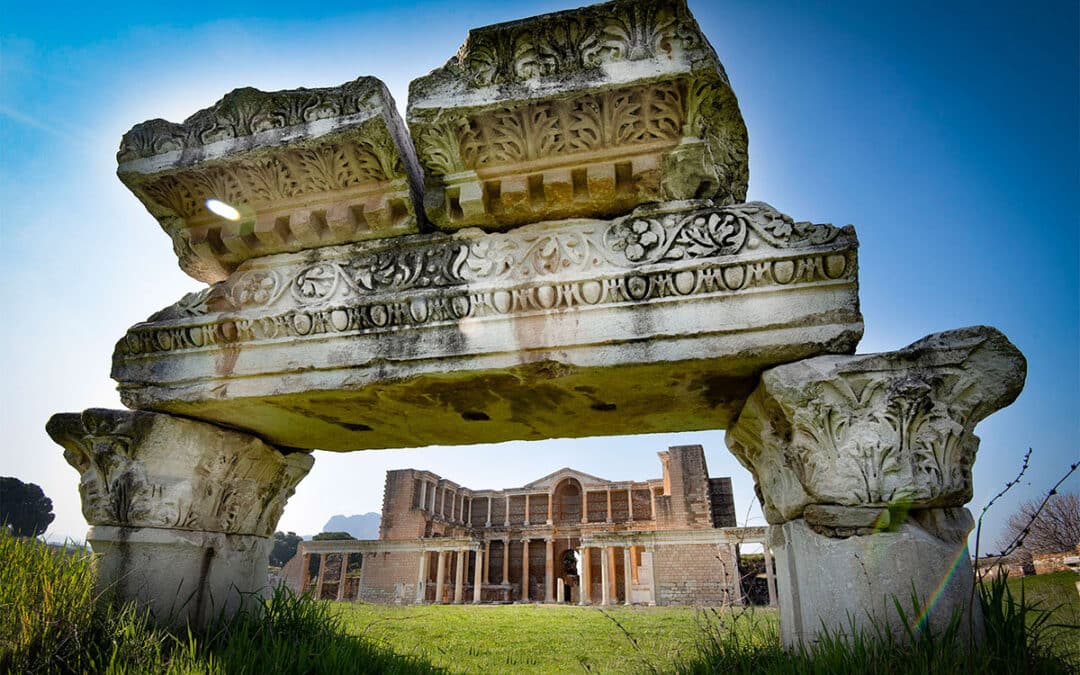
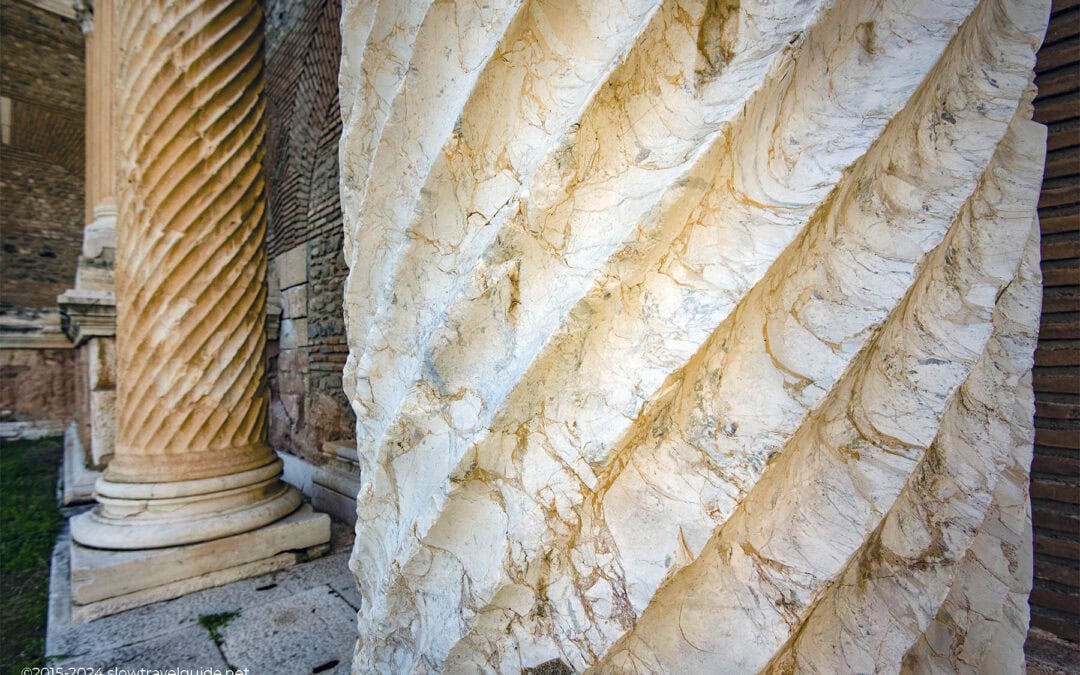
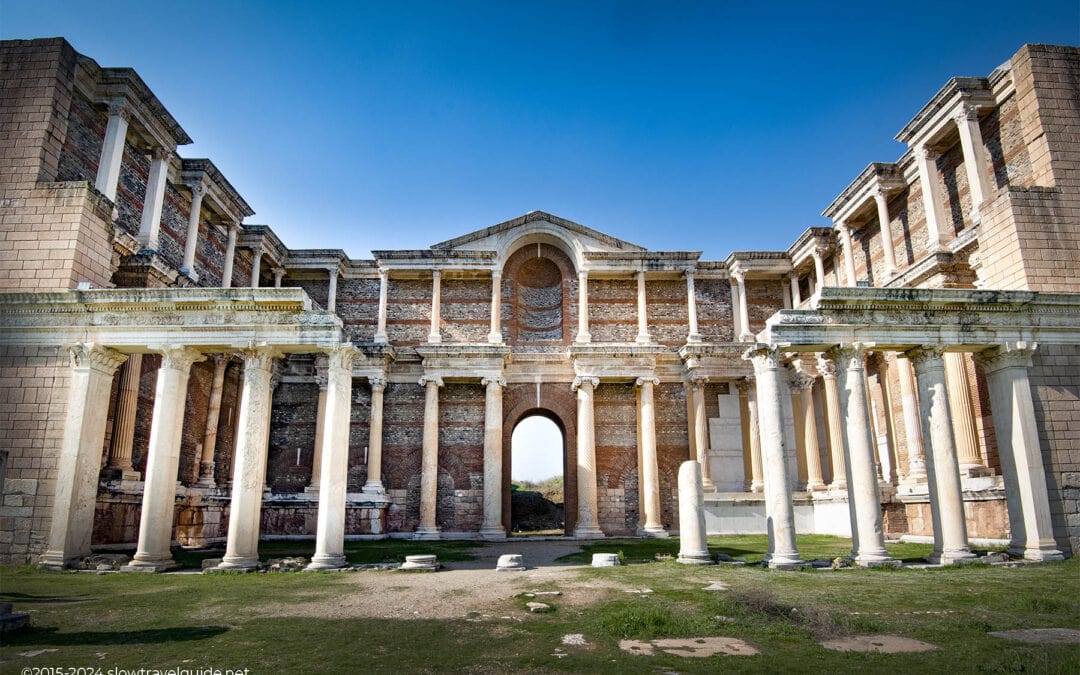
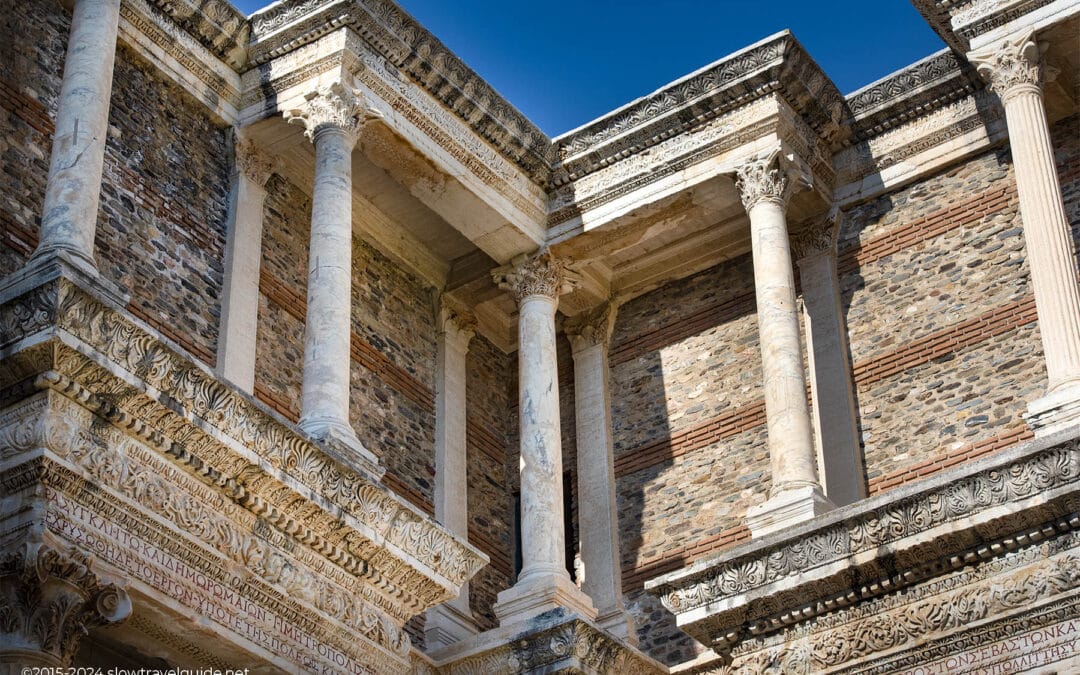
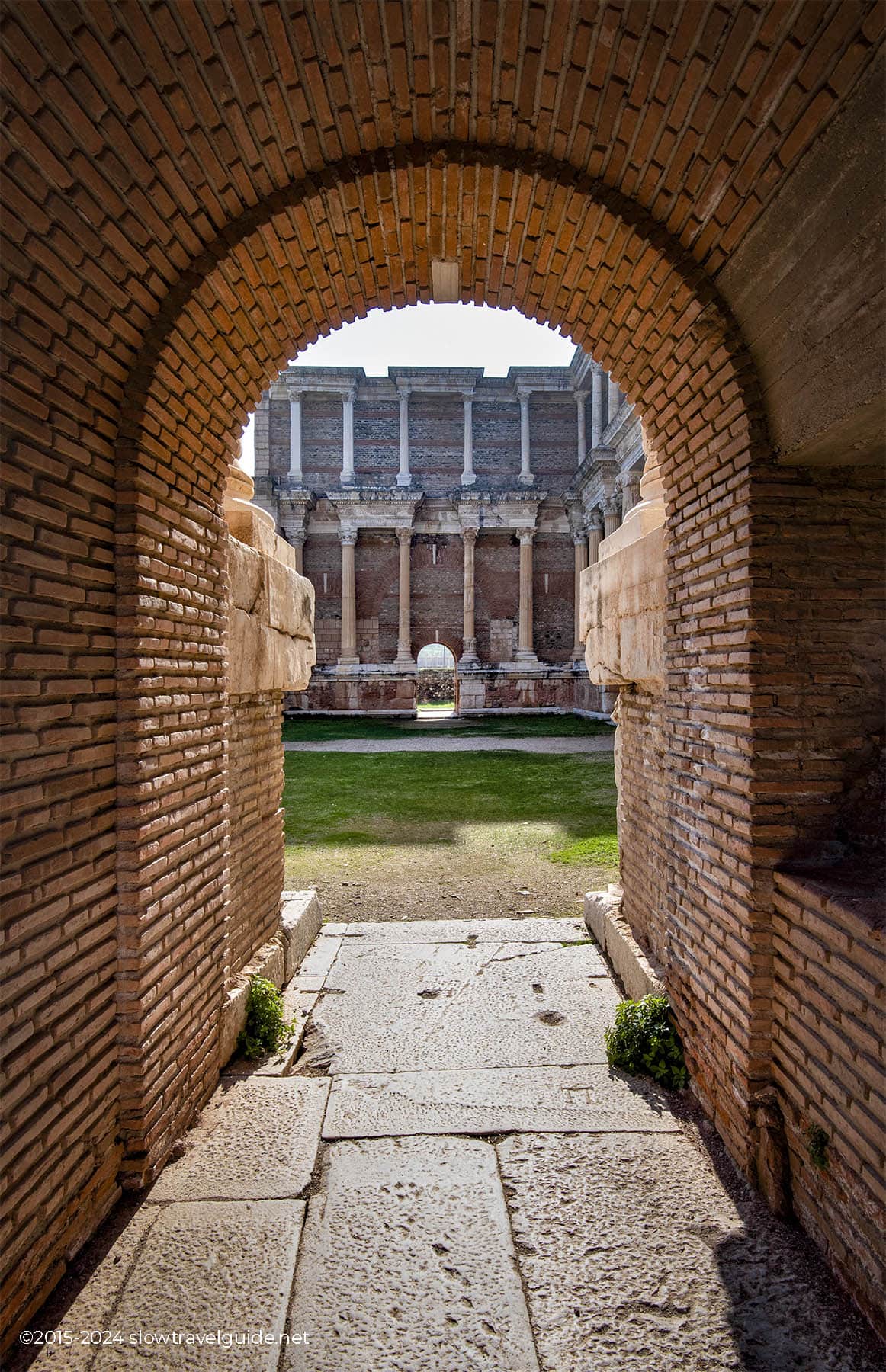
View Towards The Palaestra From Inside The Gymnasium
The two-story colonnaded Marble Court served as a barrier between the baths and the open space reserved for exceptional festivals, while the Palaestra, the open space in front of it, was utilised for rituals or physical activity. Between 1964 and 1973, this complex, which dates to the second century AD, was rebuilt. You won’t find many reconstructions with this level of detail when touring Turkey’s ancient sites. Nevertheless, it provides you with a fairly realistic picture of life during that time, at least in part.
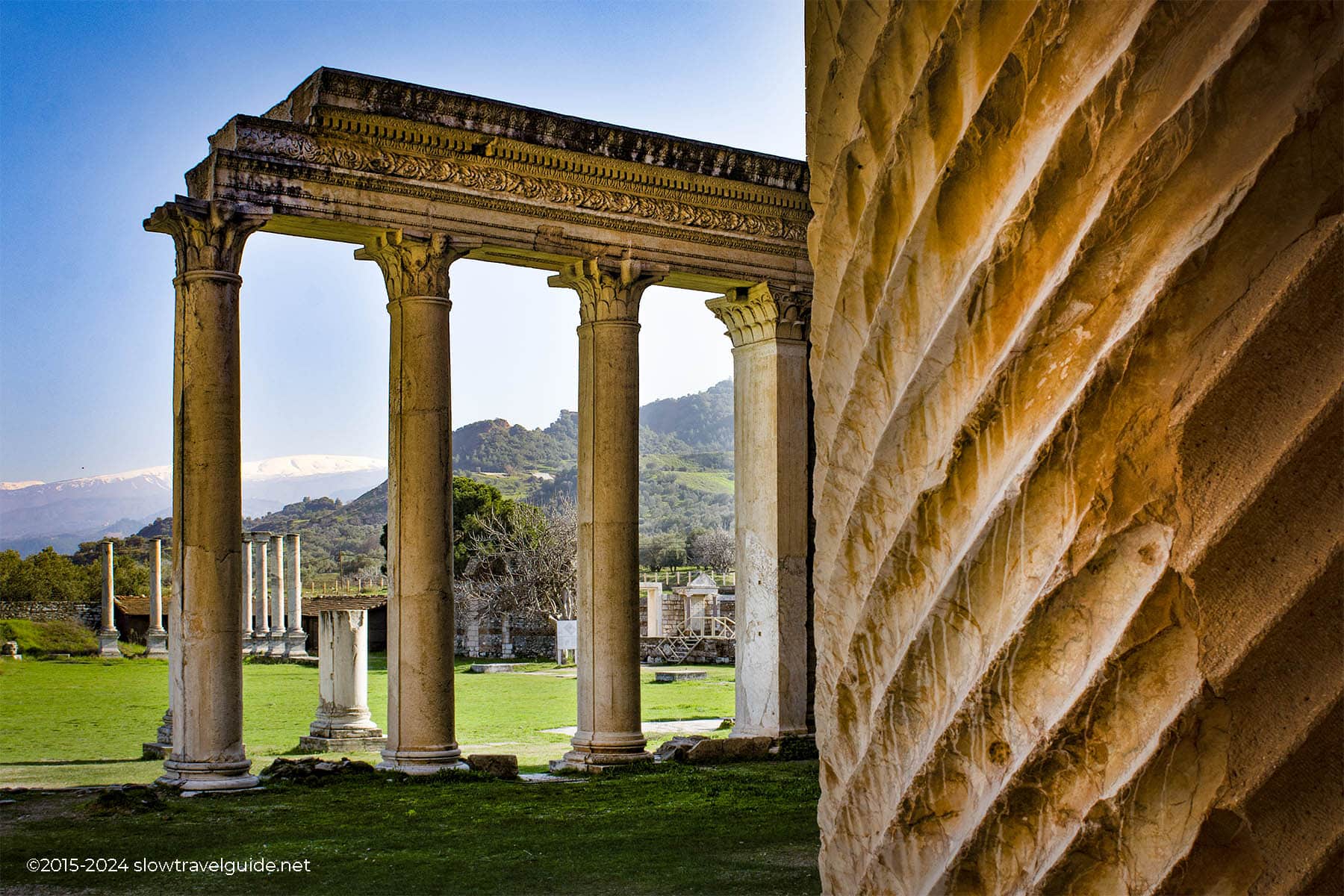
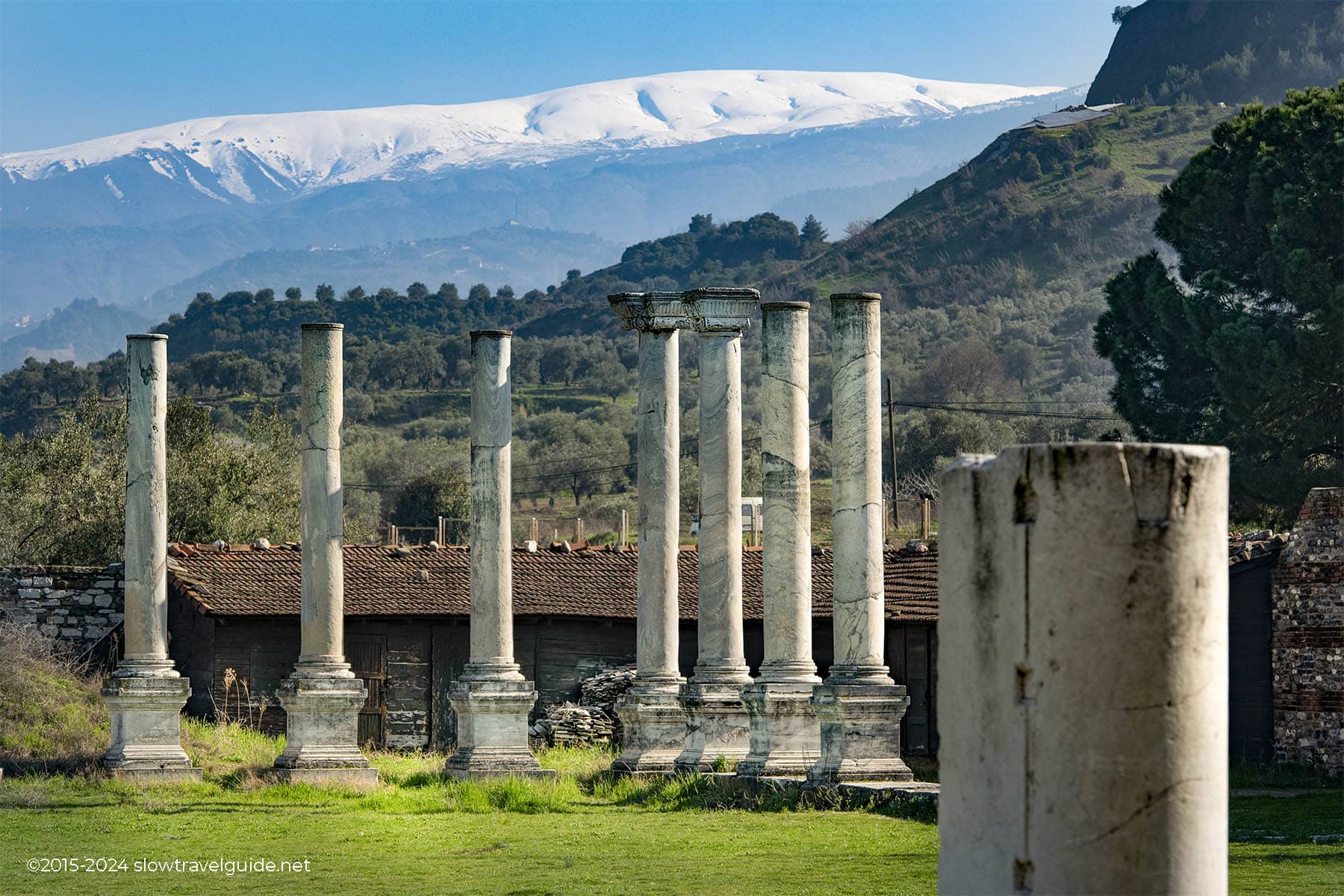
Columns In The Southeast Corner Of The Palaestra
PRACTICAL INFORMATION FOR YOUR SARDIS VISIT
Sardis is a great place to visit whether you’re interested in visiting the Sardis church of revelation on a ‘churches of revelation tour’, or as a fascinating ancient site with stunning reconstructed buildings. The site is divided by the E96 road connecting Izmir to Salihli. You need to pay a small entrance fee to enter the part with the Gymnasium and Synagogue. Opening times are as follows:
- # Mid-April till the end of September: 8 am till 7 pm
- # October till mid-April: 8 am till 5 pm
Well Hidden Arsenal With Tunnels To The City
© 2016-2022 All rights reserved by slowtravelguide.net.
The content of this website is copyright protected and the property of slowtravelguide.net.No part of this website may be reproduced in whole or in part in any manner without the written permission of the copyright owner.
Copyright ©2016-2022 Tüm hakları saklıdır. Bu (slowtravelguide.net.) web sitesinin içeriği koruma altındadır ve slowtravelguide.net.Buradaki hiçbir içerik (yazı,fotoğraf,video vb.) izinsiz olarak kopyalanamaz, alıntı yapılamaz,başka yerde yayınlanamaz.