
ORMANA
By Slowtravelguide
ORMANA: REVIVAL OF A BEAUTIFUL VILLAGE IN ANTALYA
Nestled on the outskirts of the Altınbeşik Cave National Park lies the peaceful town of Ormana. With the amazing hiking paths of the Taurus Way all around it and breathtaking views of the mountains, this community is an ideal starting point for hikers. However, most tourists to Ormana are not drawn in by such. The main draw in this community is its exquisitely reconstructed button cottages. People travel up the mountain to explore Ormana’s winding alleyways because of their houses. Join us on a trip through this content.
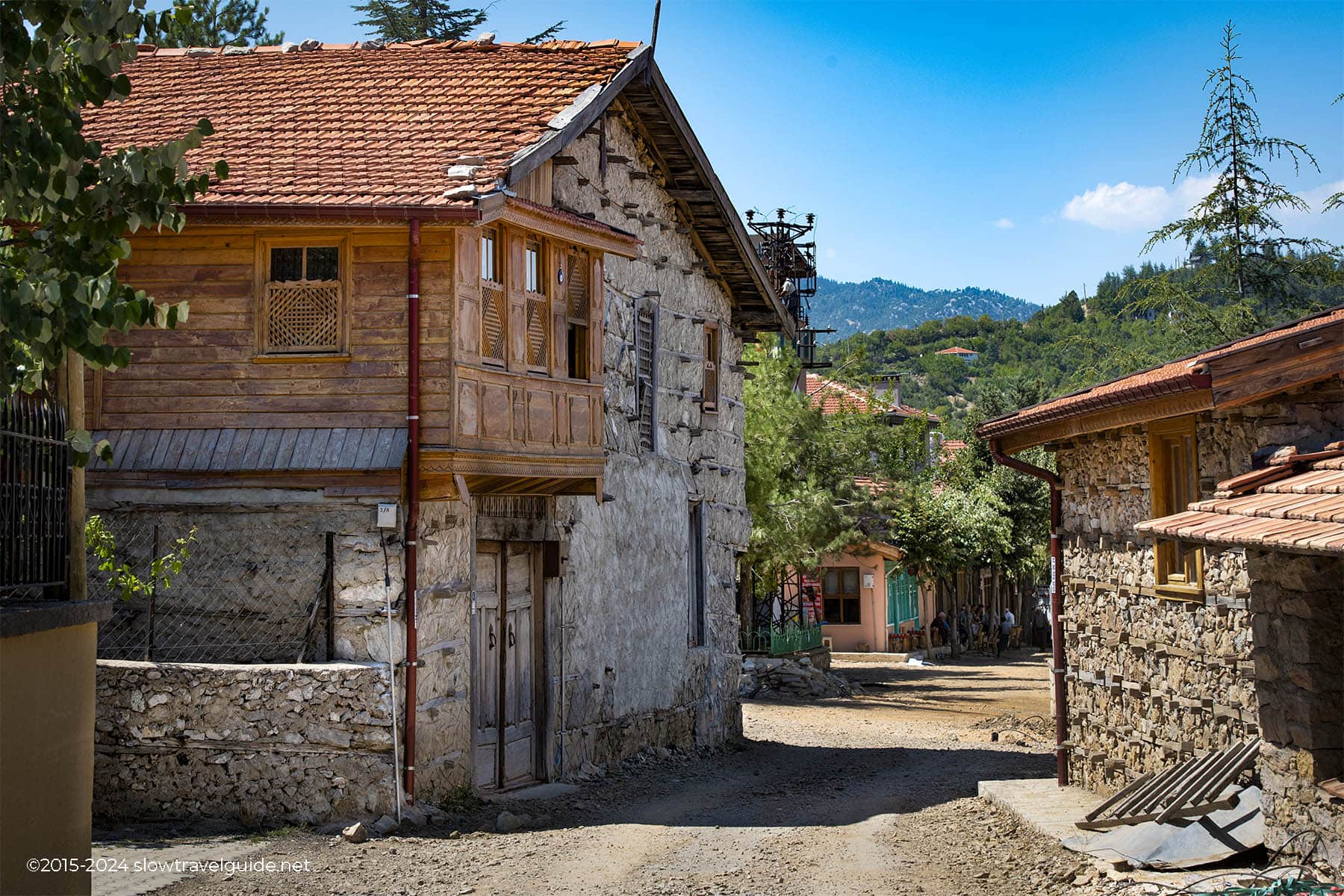
Ormana In A Nutshell, Button Houses And Mountian Backdrops
THE BUTTON HOUSES OF ORMANA
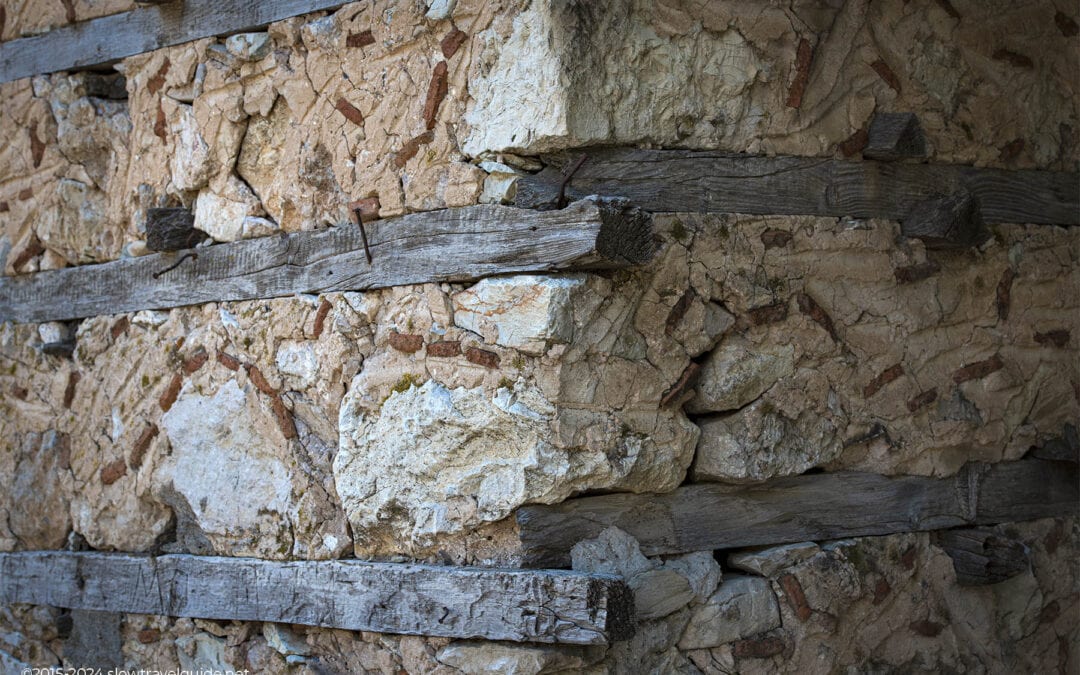
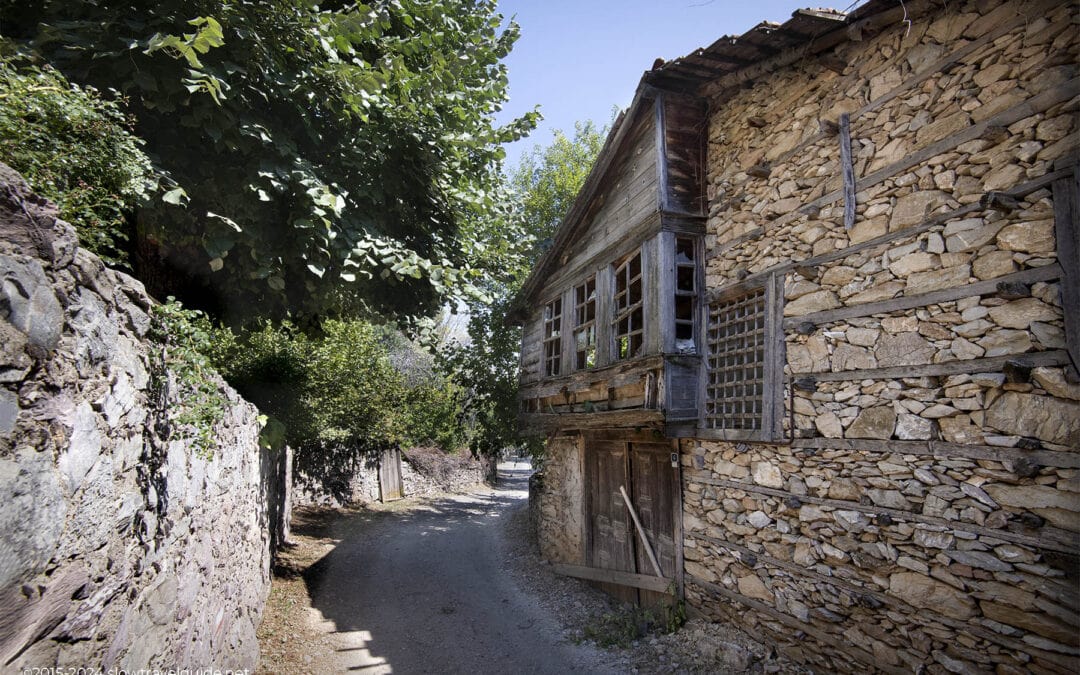
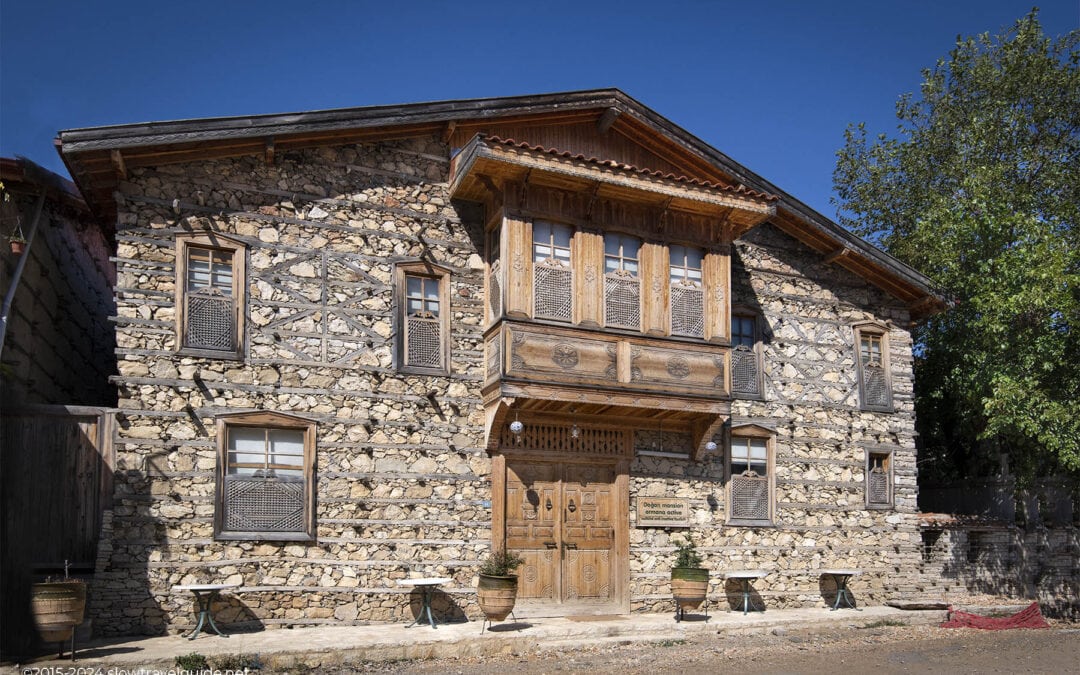
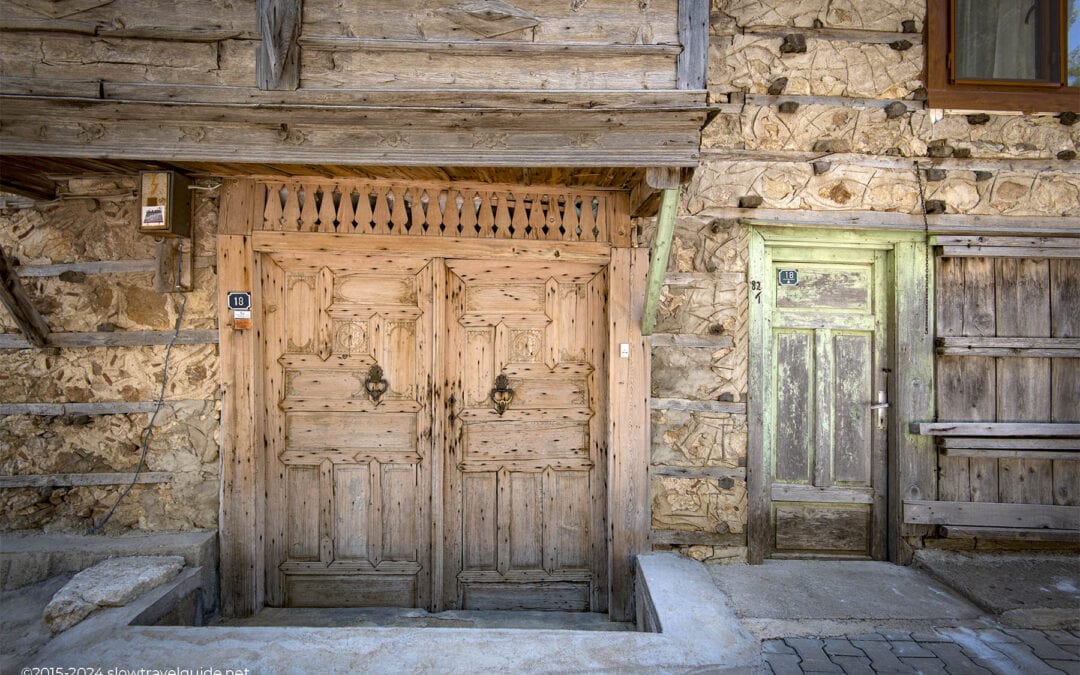
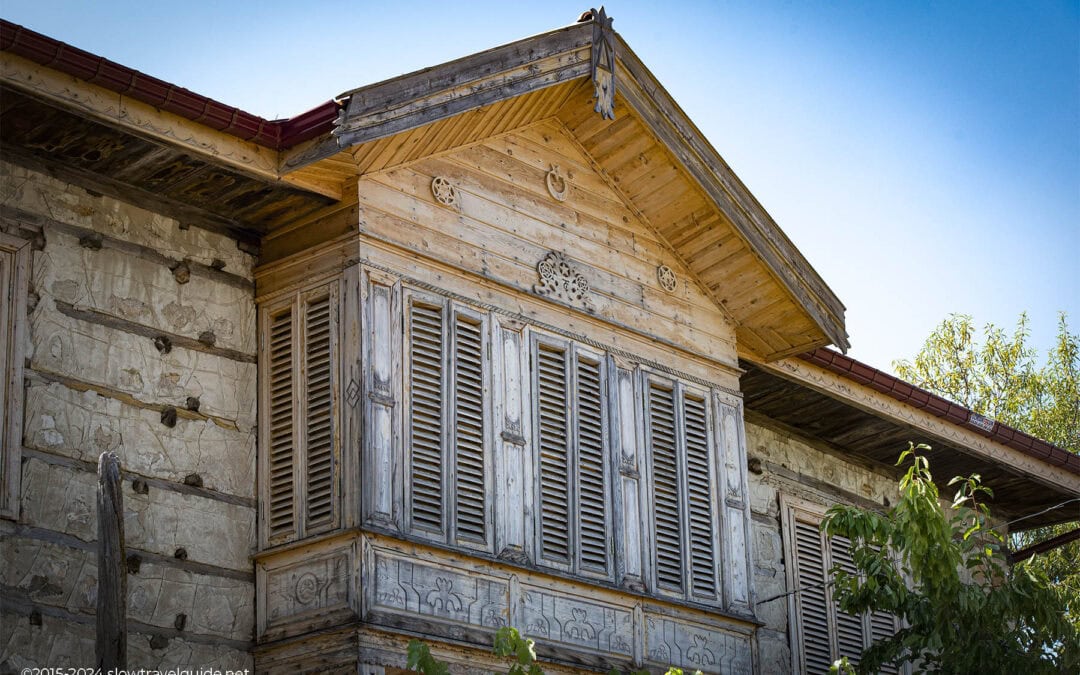
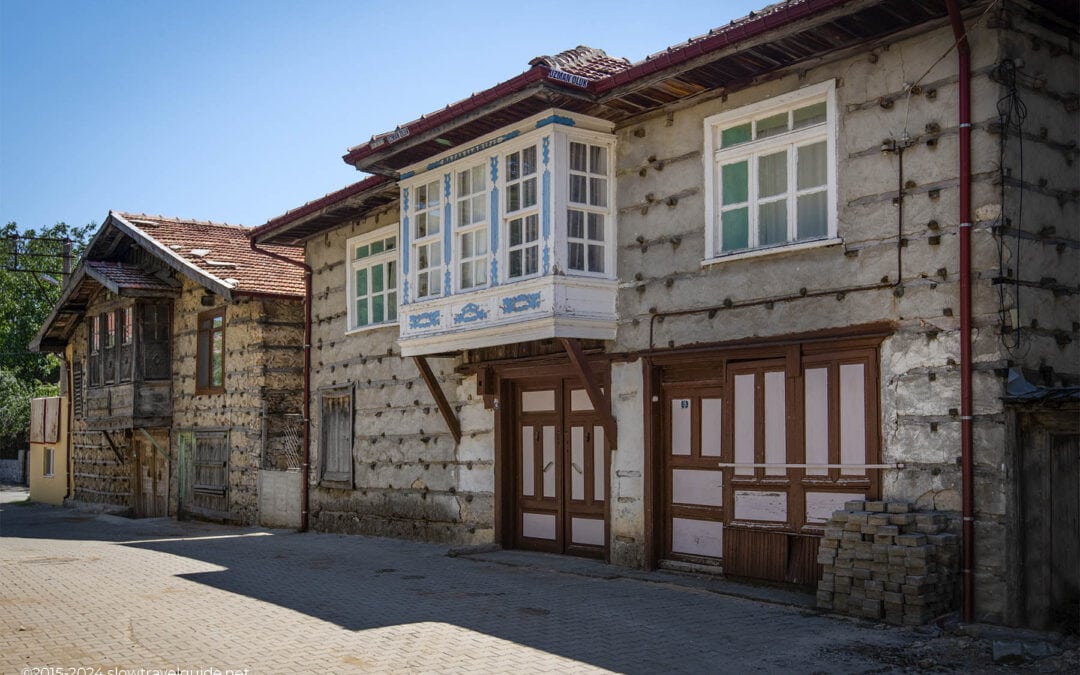
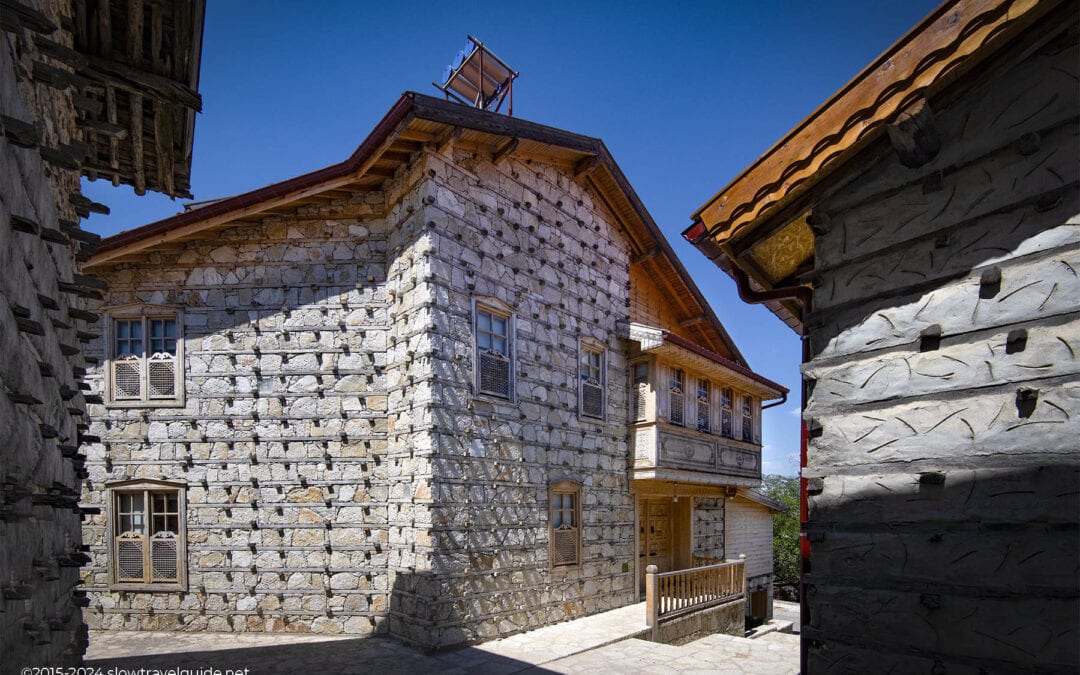
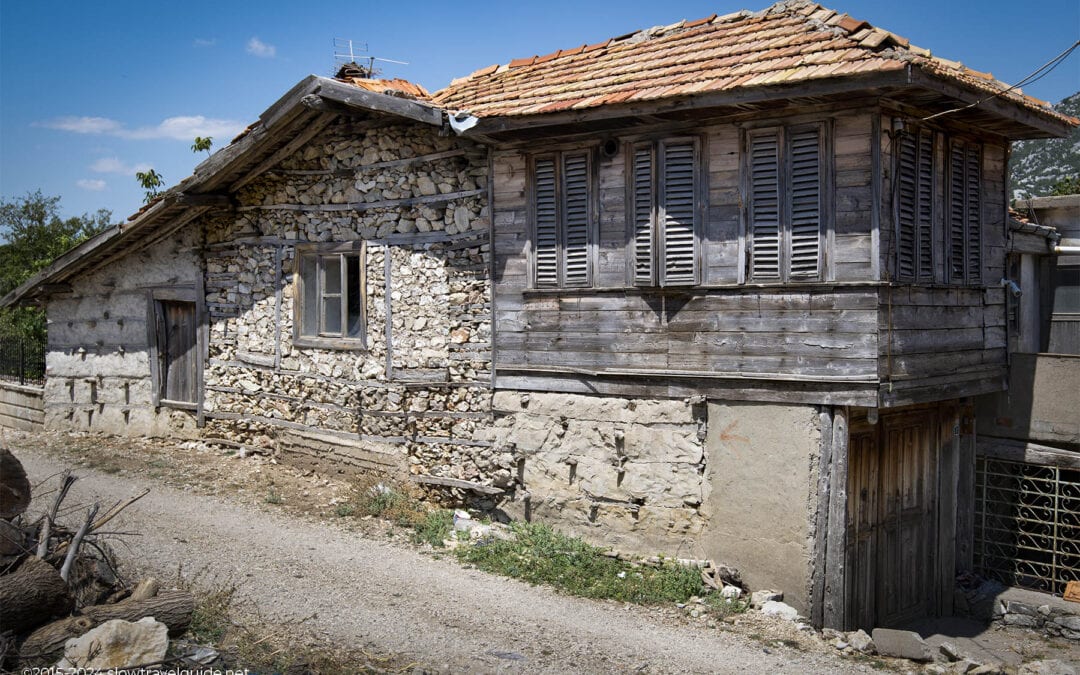
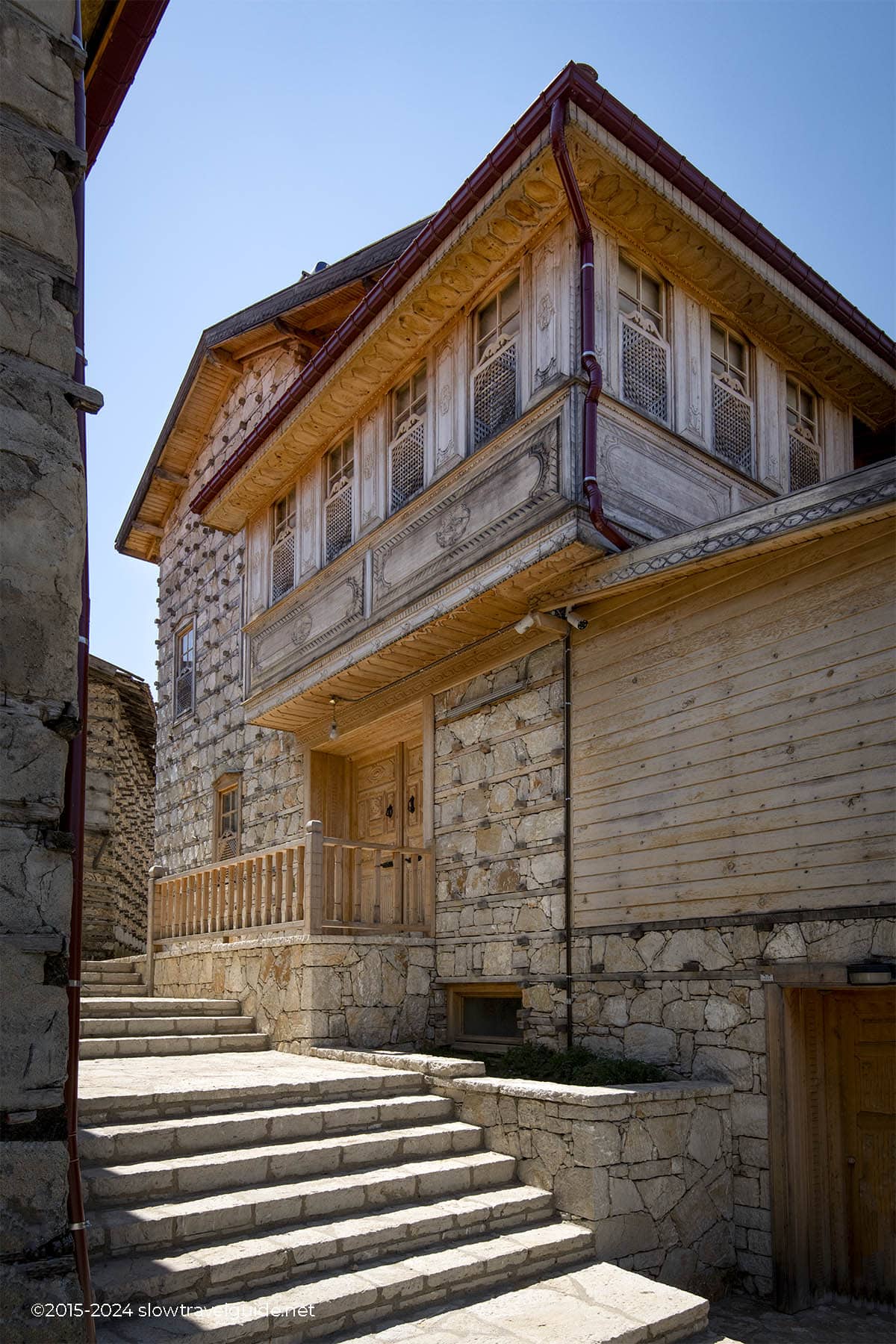
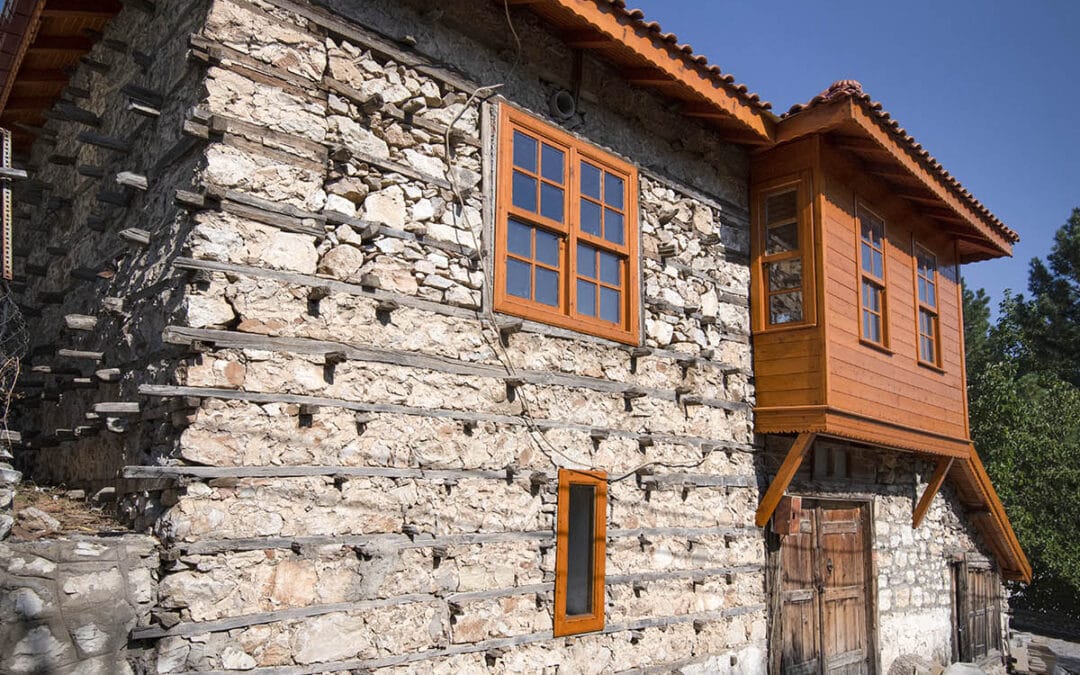
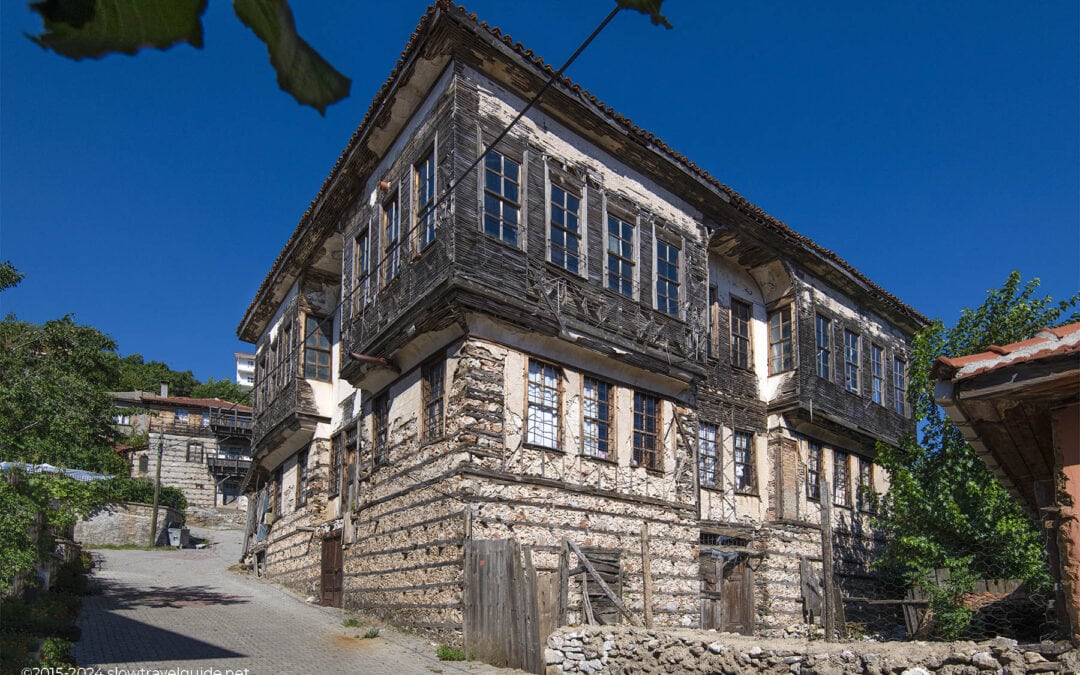
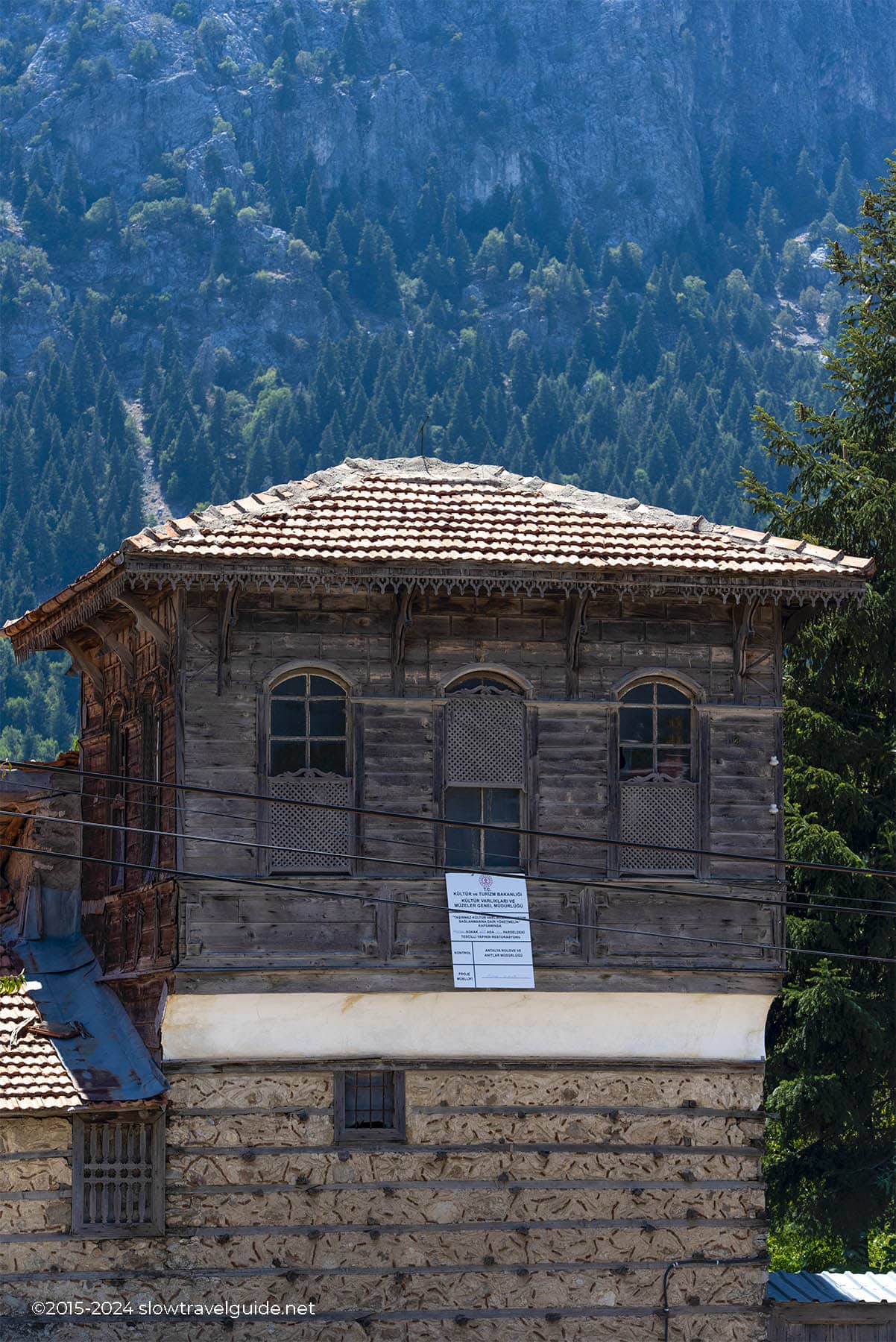
Button houses are traditional Ottoman structures with creative architecture. Sturdy cedar or juniper wood from Taurus Mountain trees is assembled with stone piles to form the skeletons of button houses, or “düğmeli evleri” in Turkish. Typically, the two-story stone residences in the İbradı neighbourhood are considered classic and old. The locals refer to them as “button houses” because the exposed portion of the wooden beams on the exterior resembles a button. Whatever their name, they exude warmth and authenticity in Ormana.
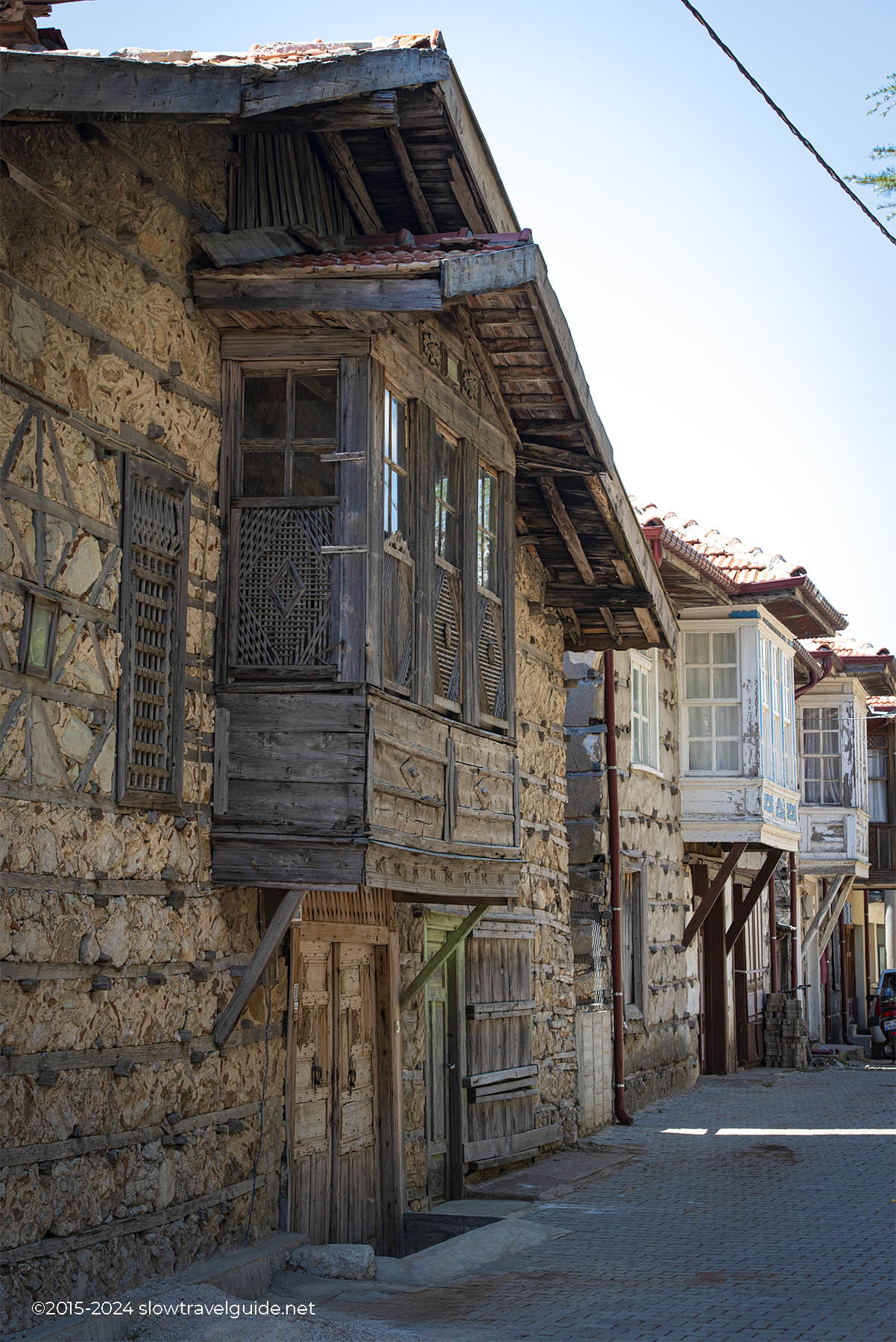
When Beauty Lines Up
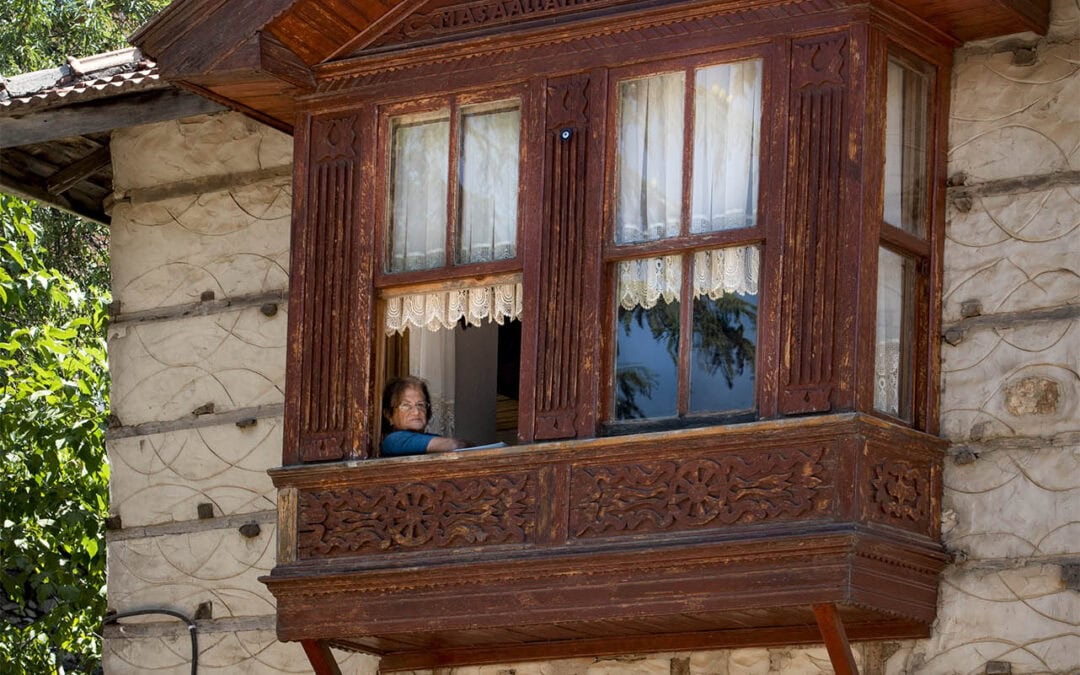

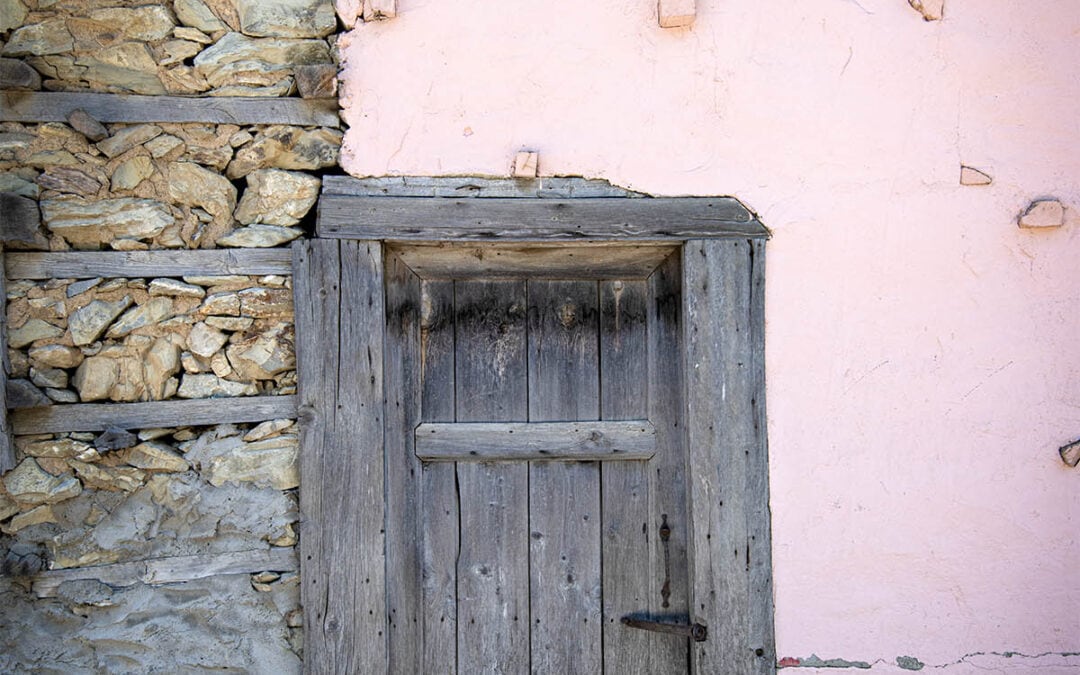
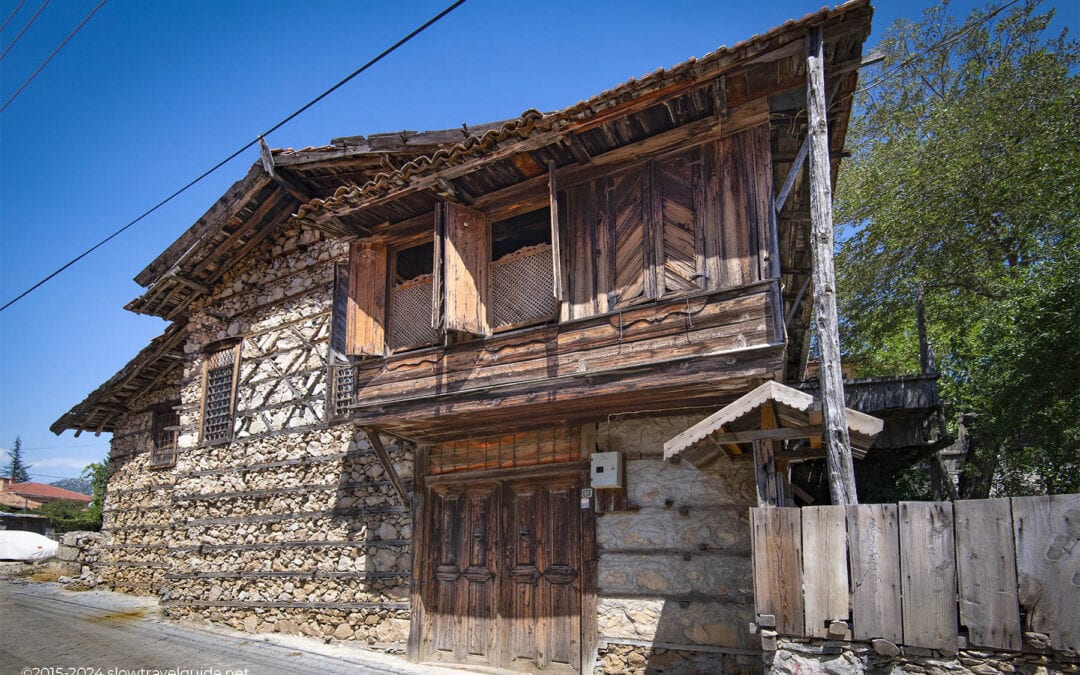
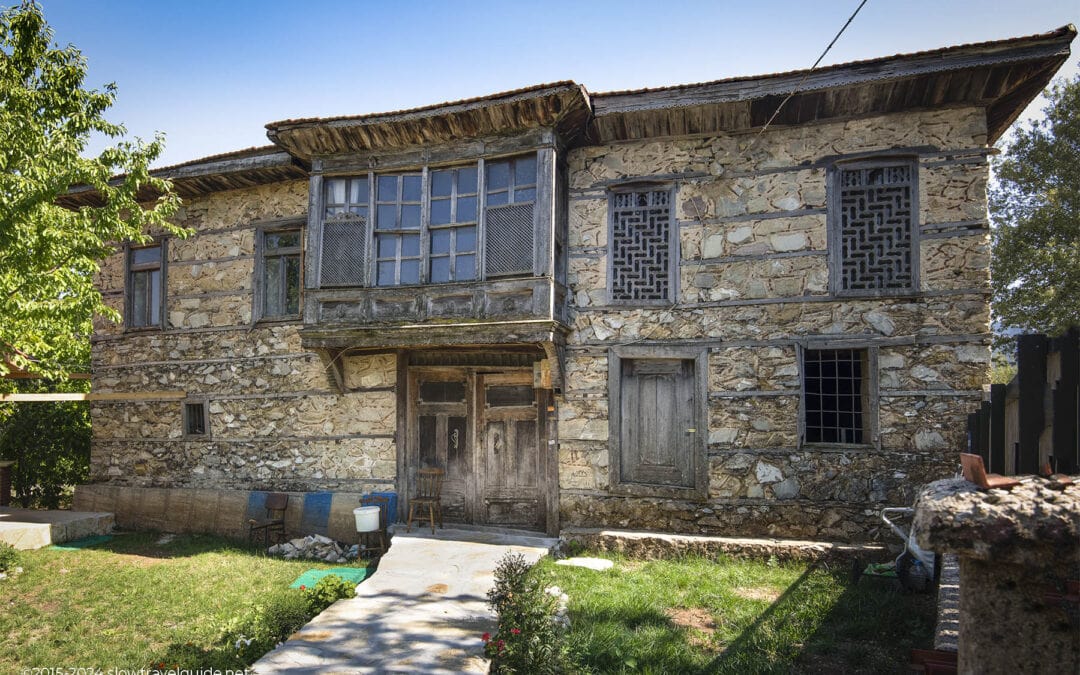
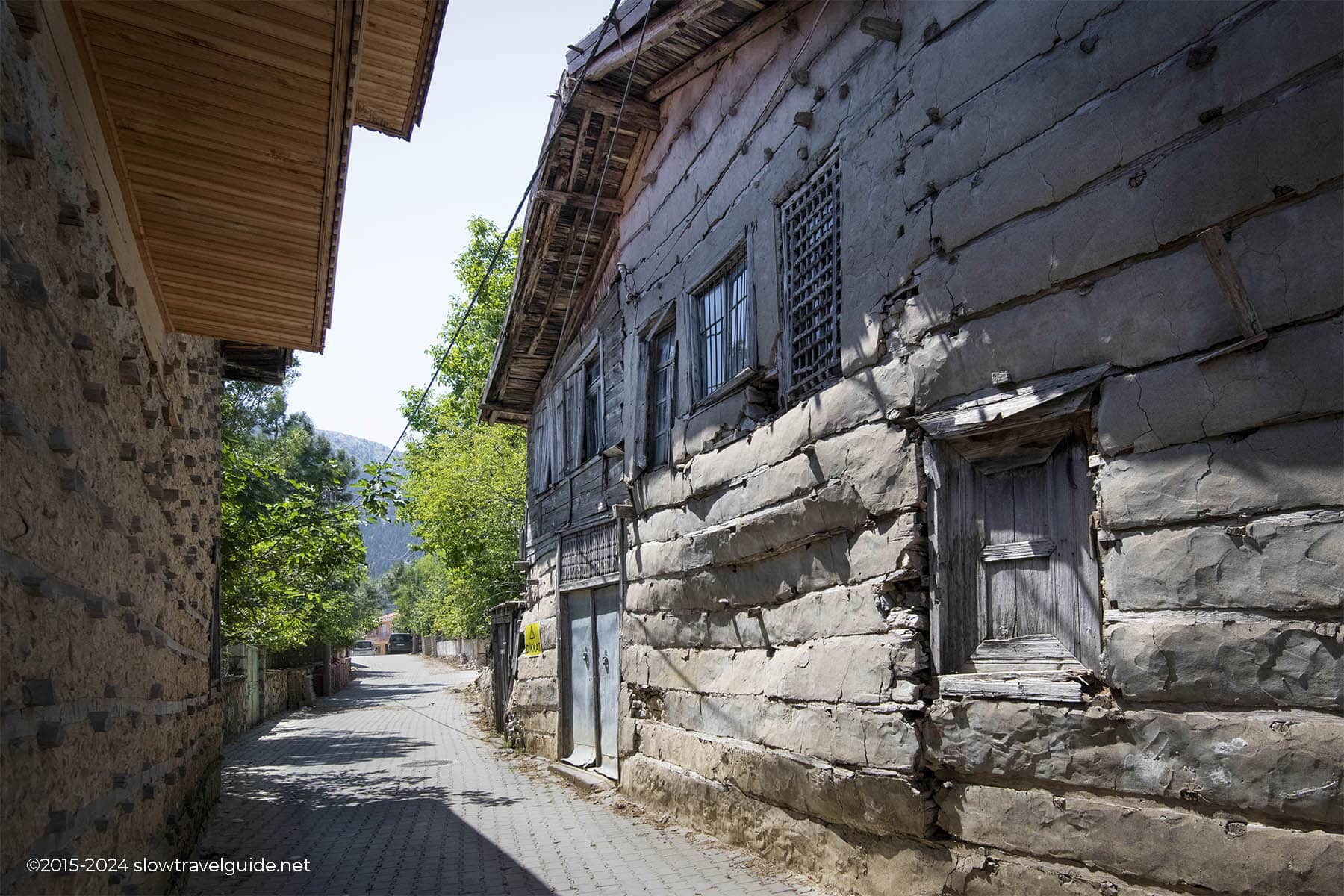
This One May Need A Little More Than Some Plaster!
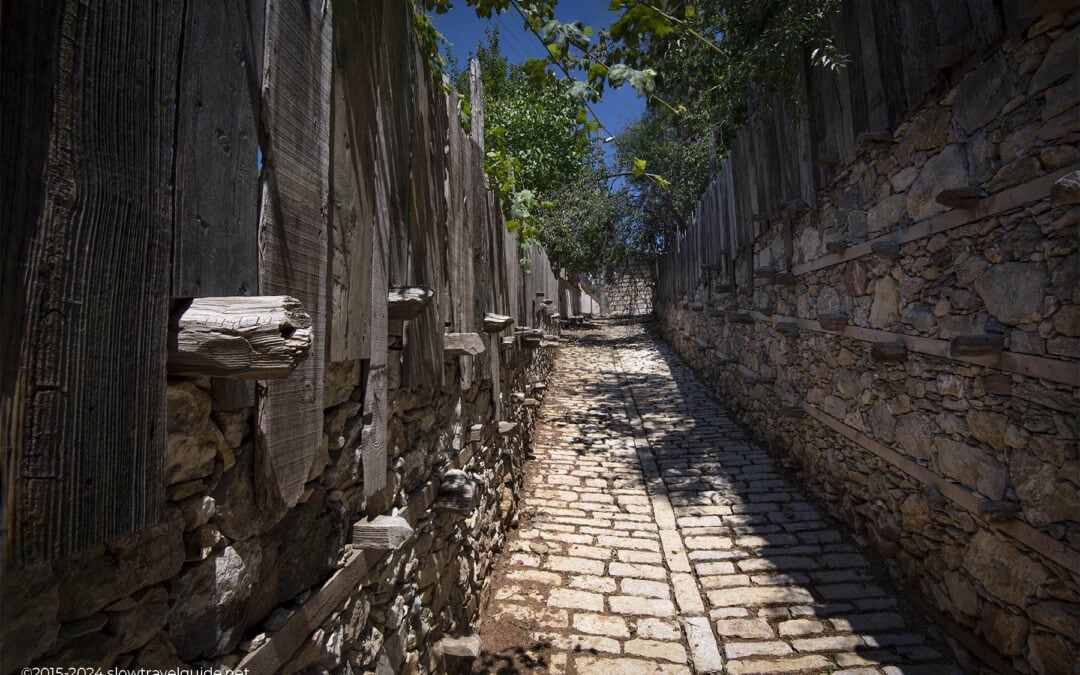
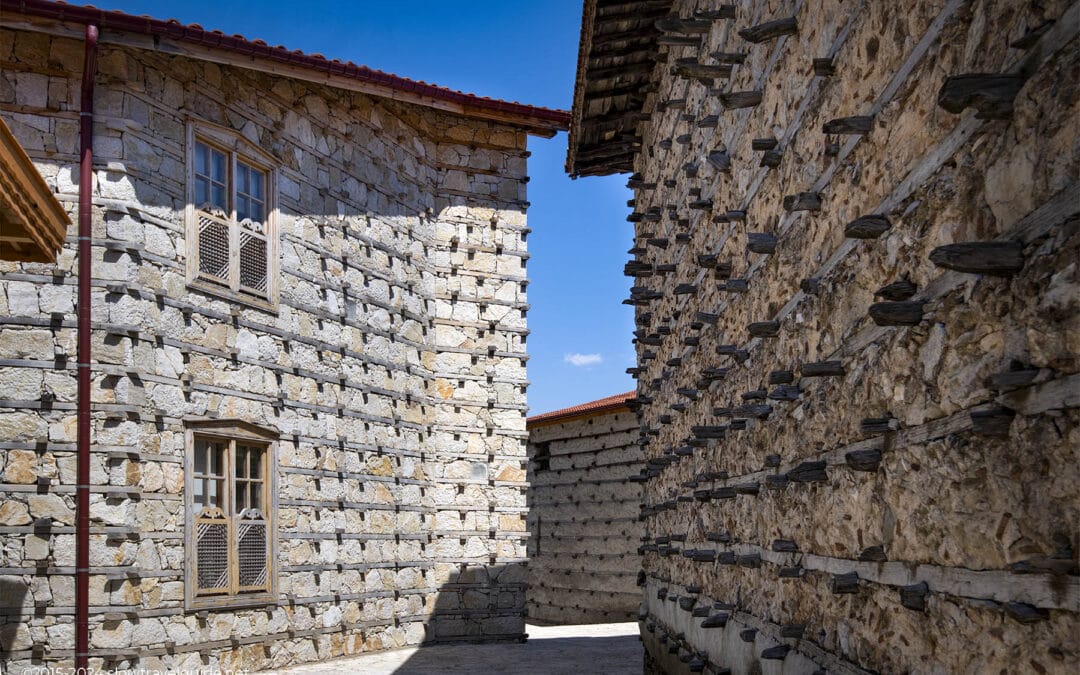
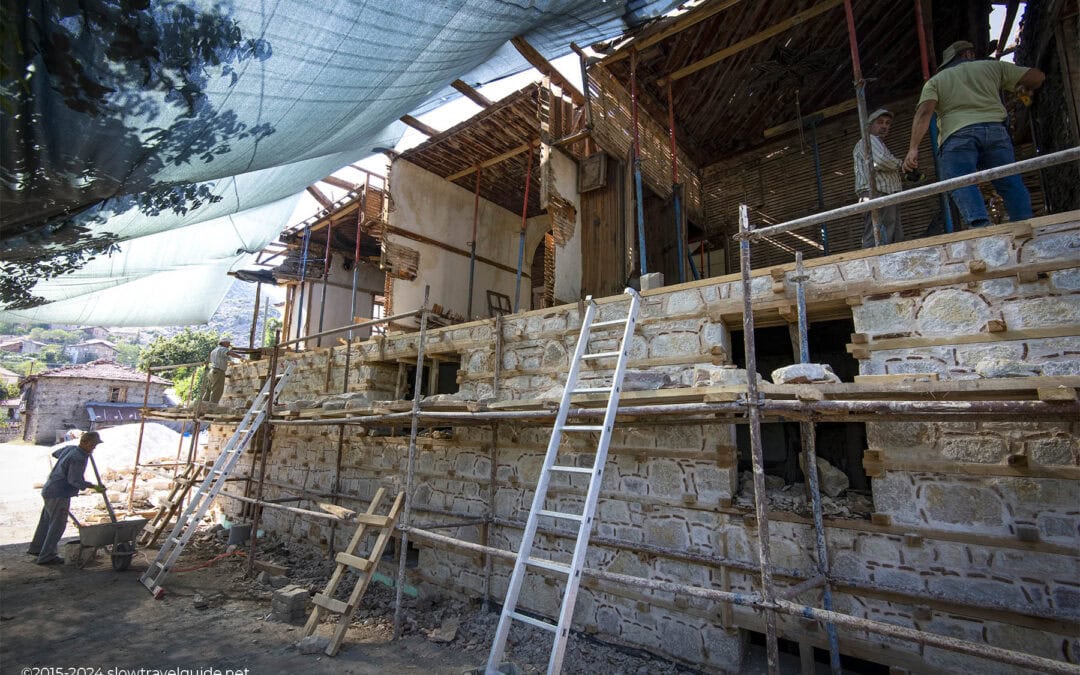
The button houses of Ormana date back more than three centuries, and they are constructed entirely of stone and wood without the use of mortar. Locating conveniently transportable local building components is the construction strategy. In this instance, the substantial rubble-stone walls are supported by the wooden beams. To form a skeleton, juniper or cedar beams of varying lengths are arranged horizontally along the wall and in a cross-sectional pattern. After that, the holes are filled with heaps of nearby stones that are secured by the wooden framework. The beams still protrude outside the walls by around 20 centimetres. This serves as scaffolding while building is underway.
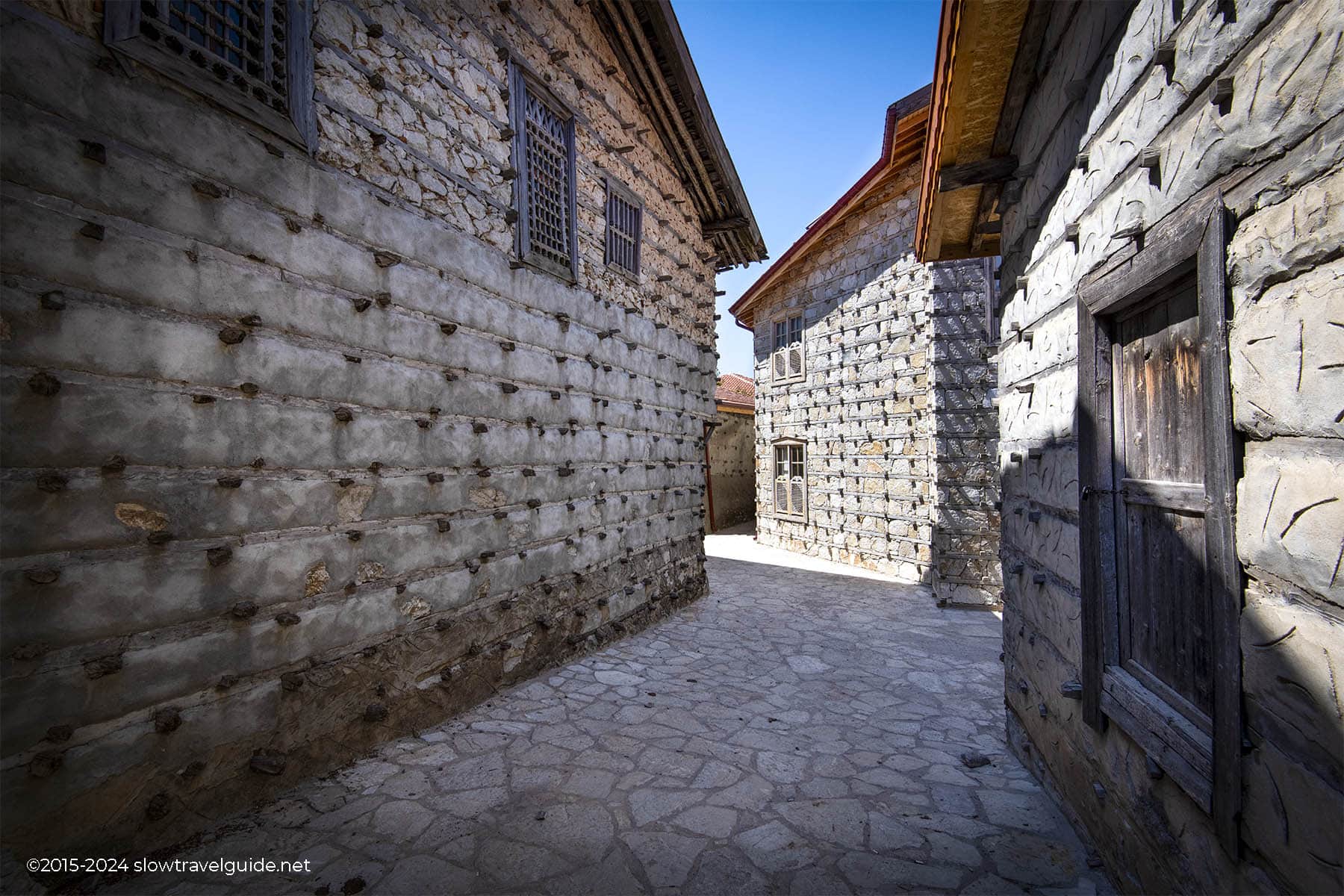
Quintessential Ormana Button House Street
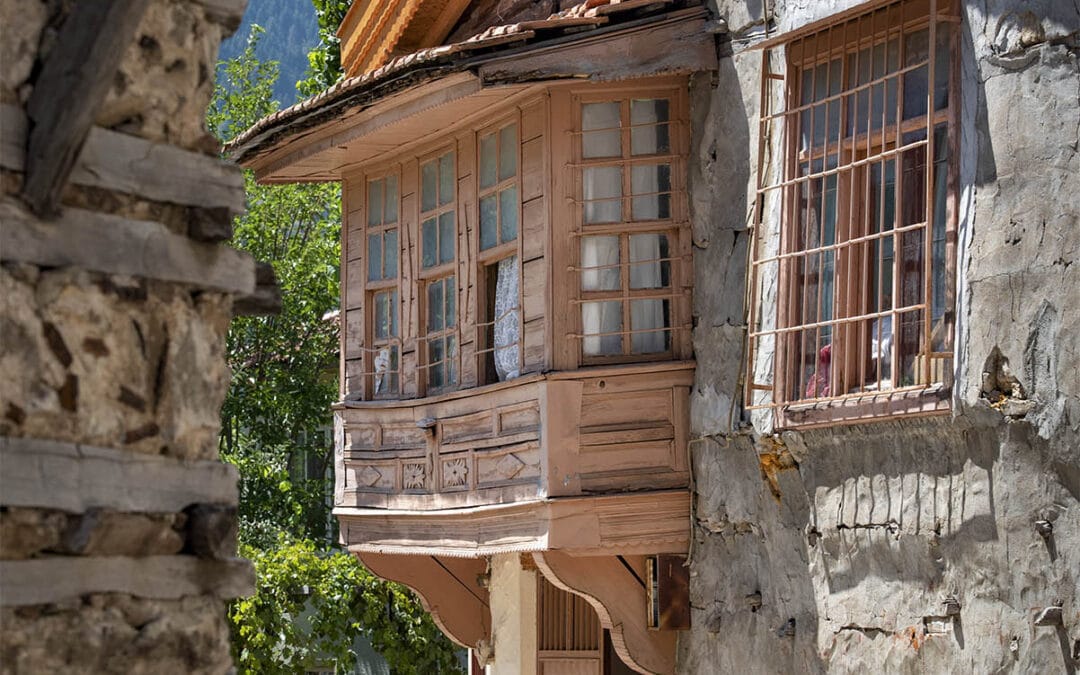
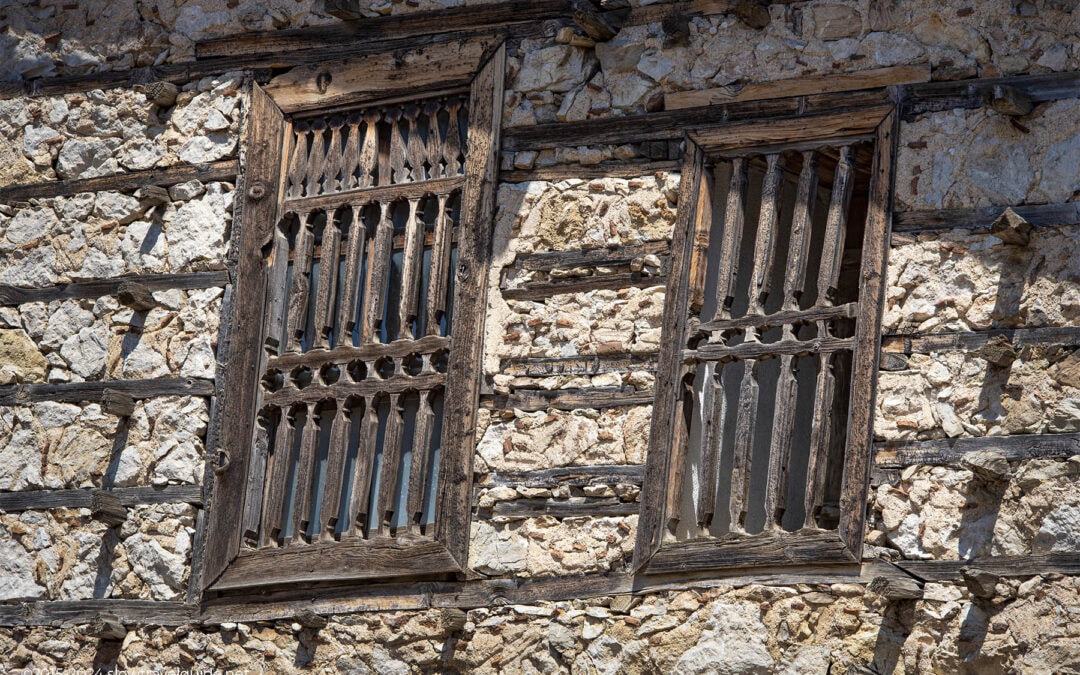
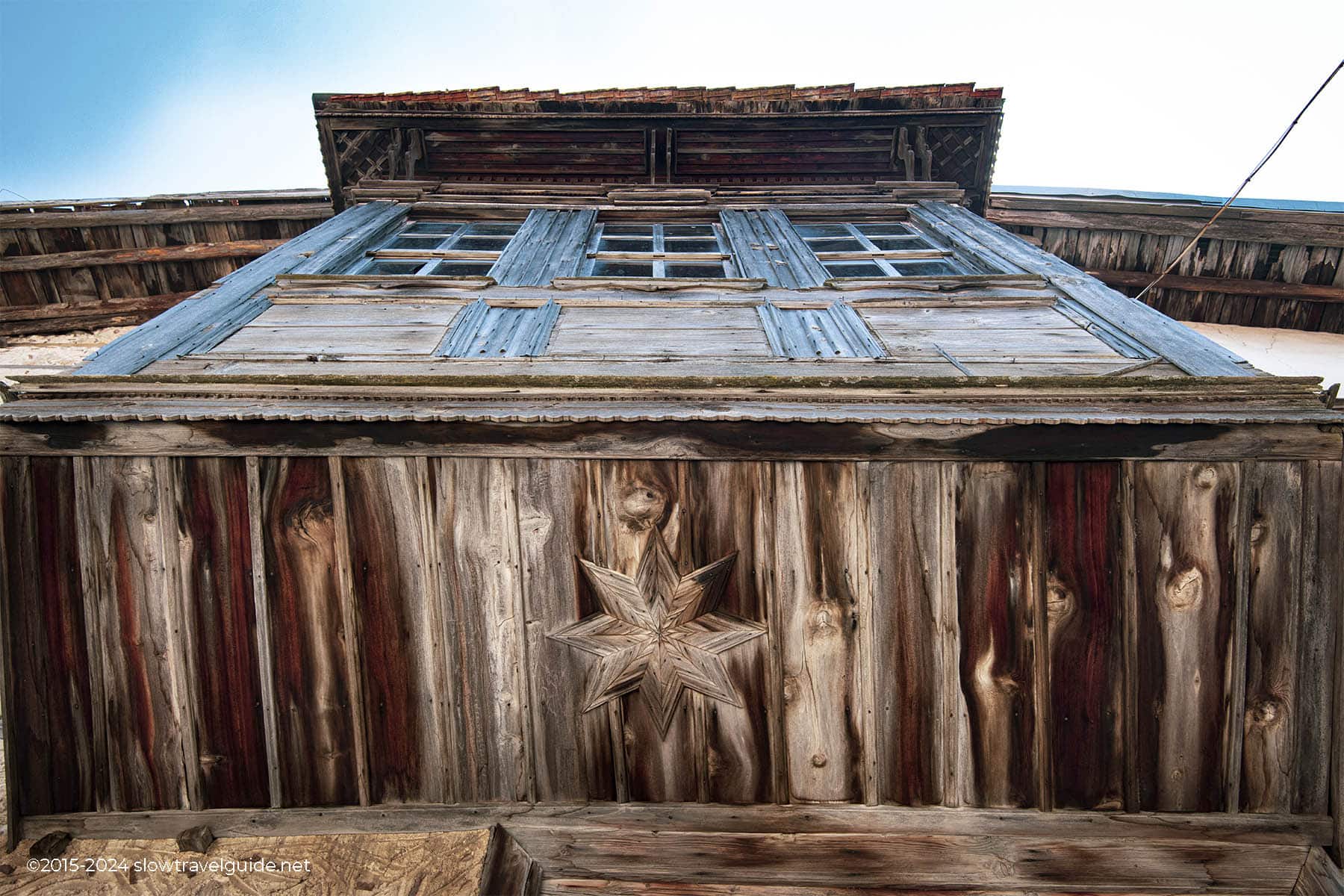
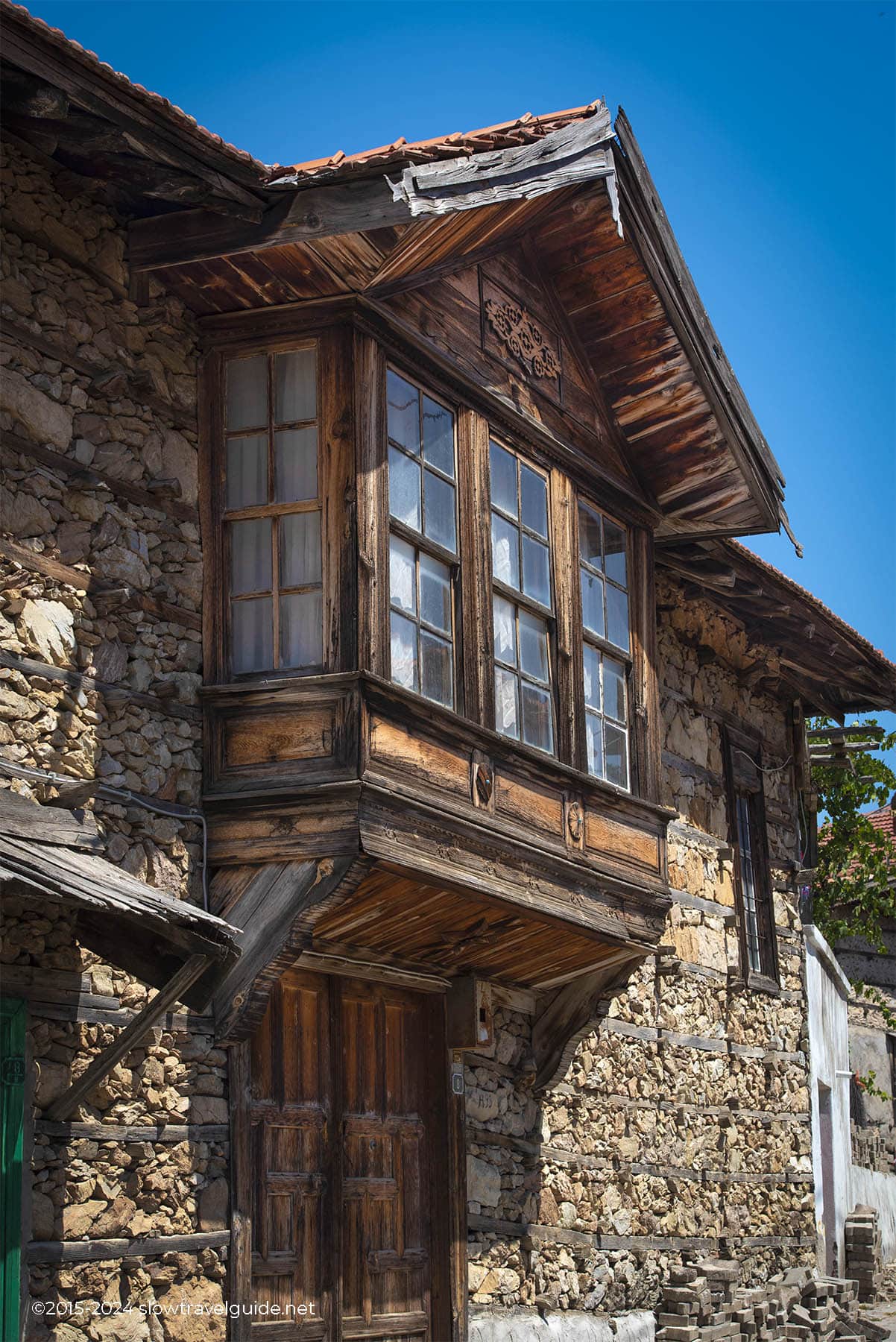
Details Matter!
In the districts of Akseki and İbradı, there are roughly 500 button houses, nearly all of which are protected and registered. The community had hardly ever welcomed tourists until 2012. However, things are starting to change over time, particularly since the Özgüven family started the Ormana Active project, which promotes alternative tourism. They renovated a number of historic homes, giving the locals jobs and transforming the area into a popular but lesser-known destination for those who value authenticity, the outdoors, and history.
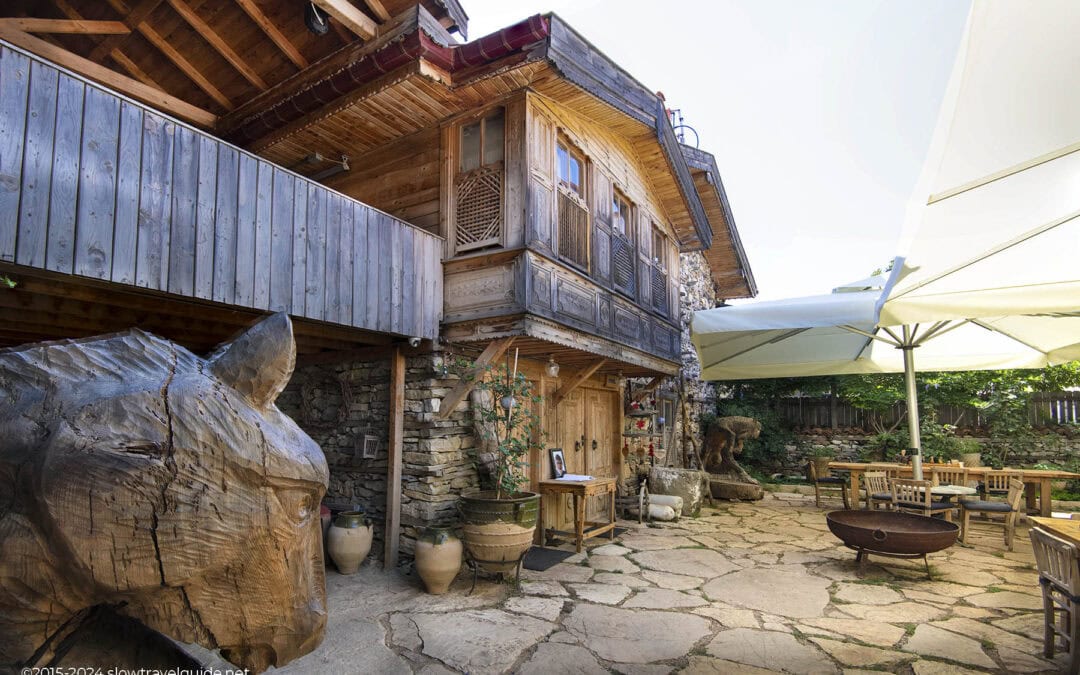
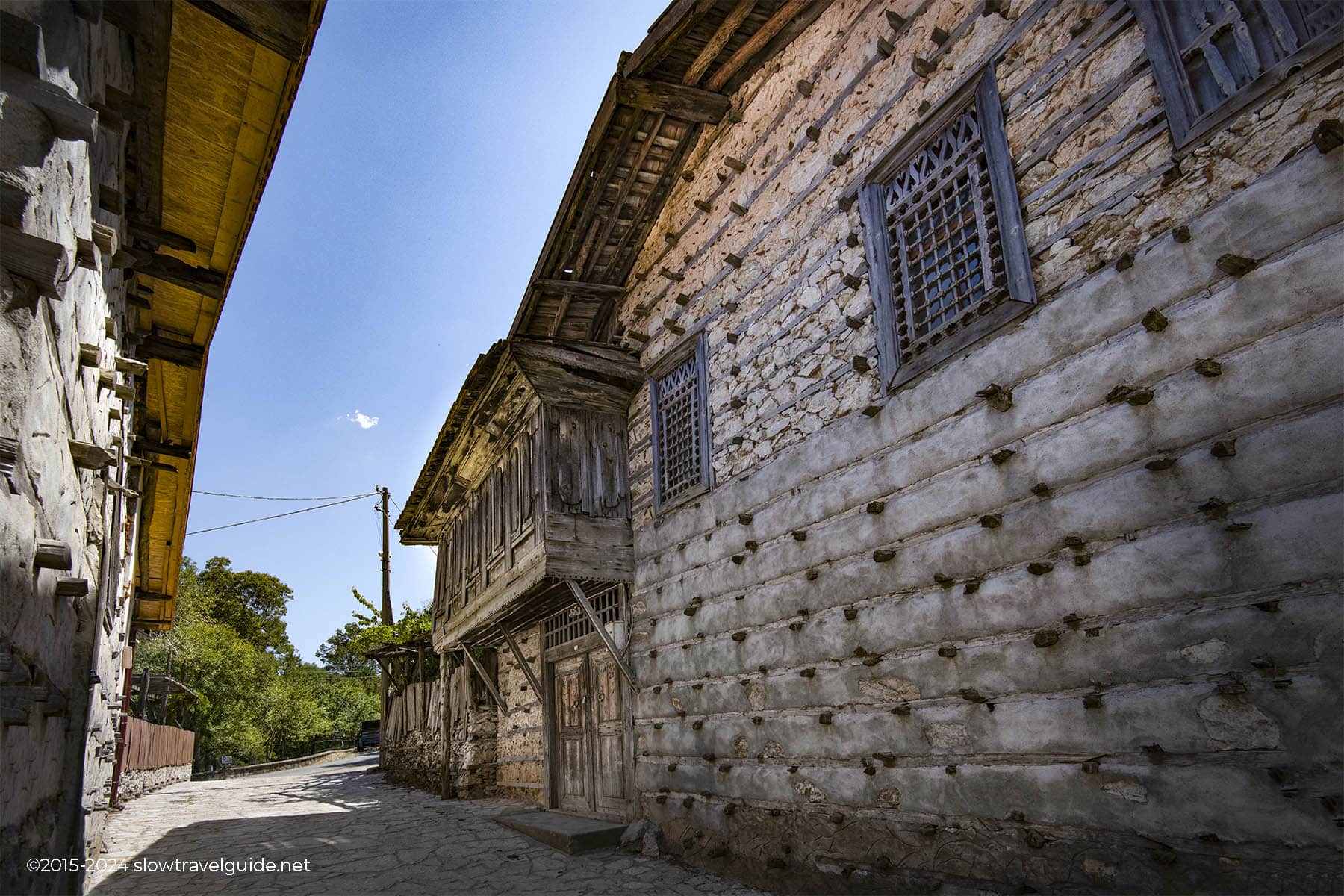
One Pretty Street After The Next
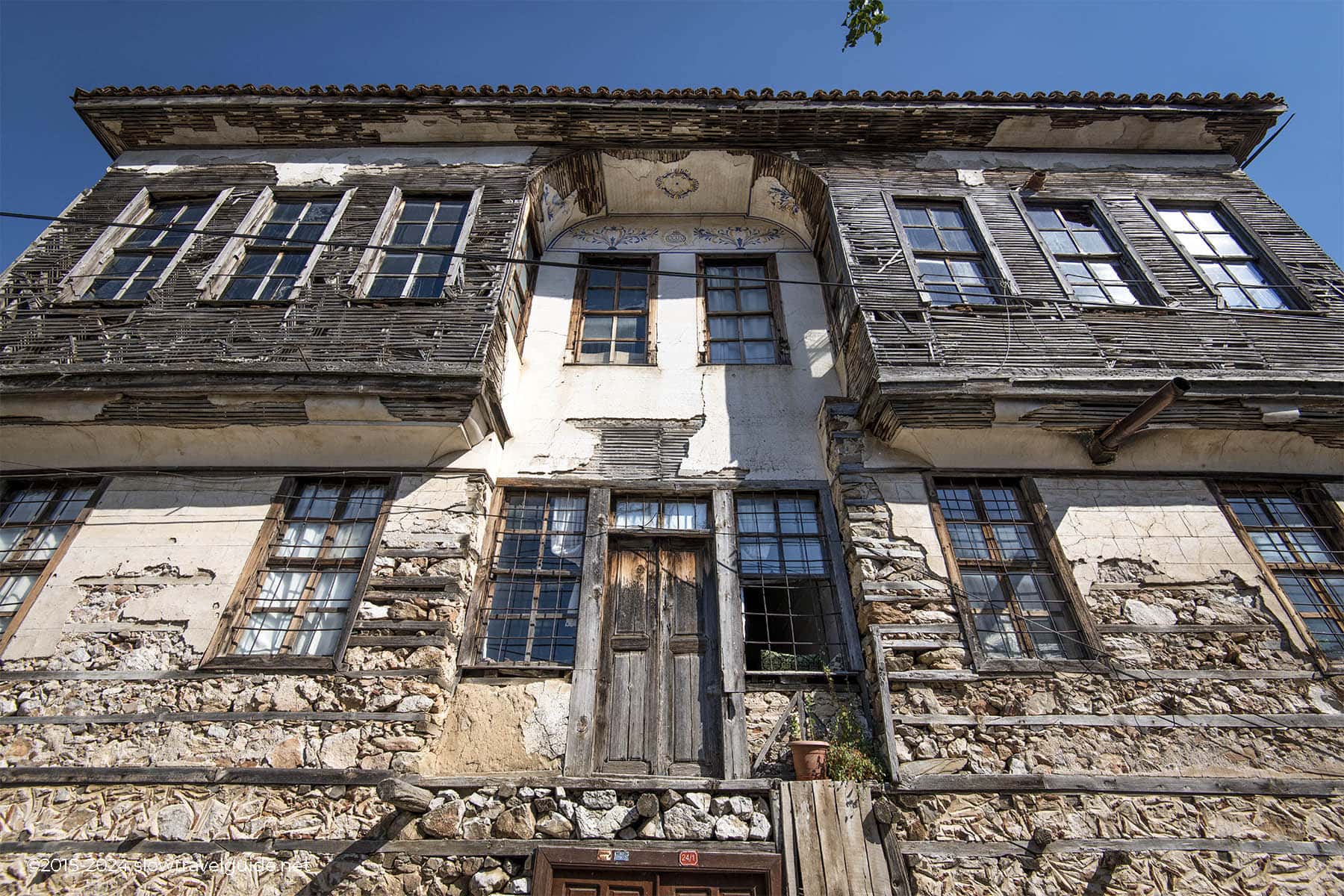
Ormana is a stunning place to stroll that feels almost like travelling through time. Here, in a close-knit town that values its history while welcoming the flood of tourists who recognise this area for what it is: a tranquil sanctuary surrounded by nature, life is still very different. Ormana is a testament to human ingenuity because she first discovered new building techniques that let people make distinctive buildings out of locally available resources and unconventional ways. And a second time by admitting that new concrete dwellings don’t have to be built in place of the old ones. Rather, they made the decision to preserve and renovate the properties that remained, thus investing in their incredible legacy.
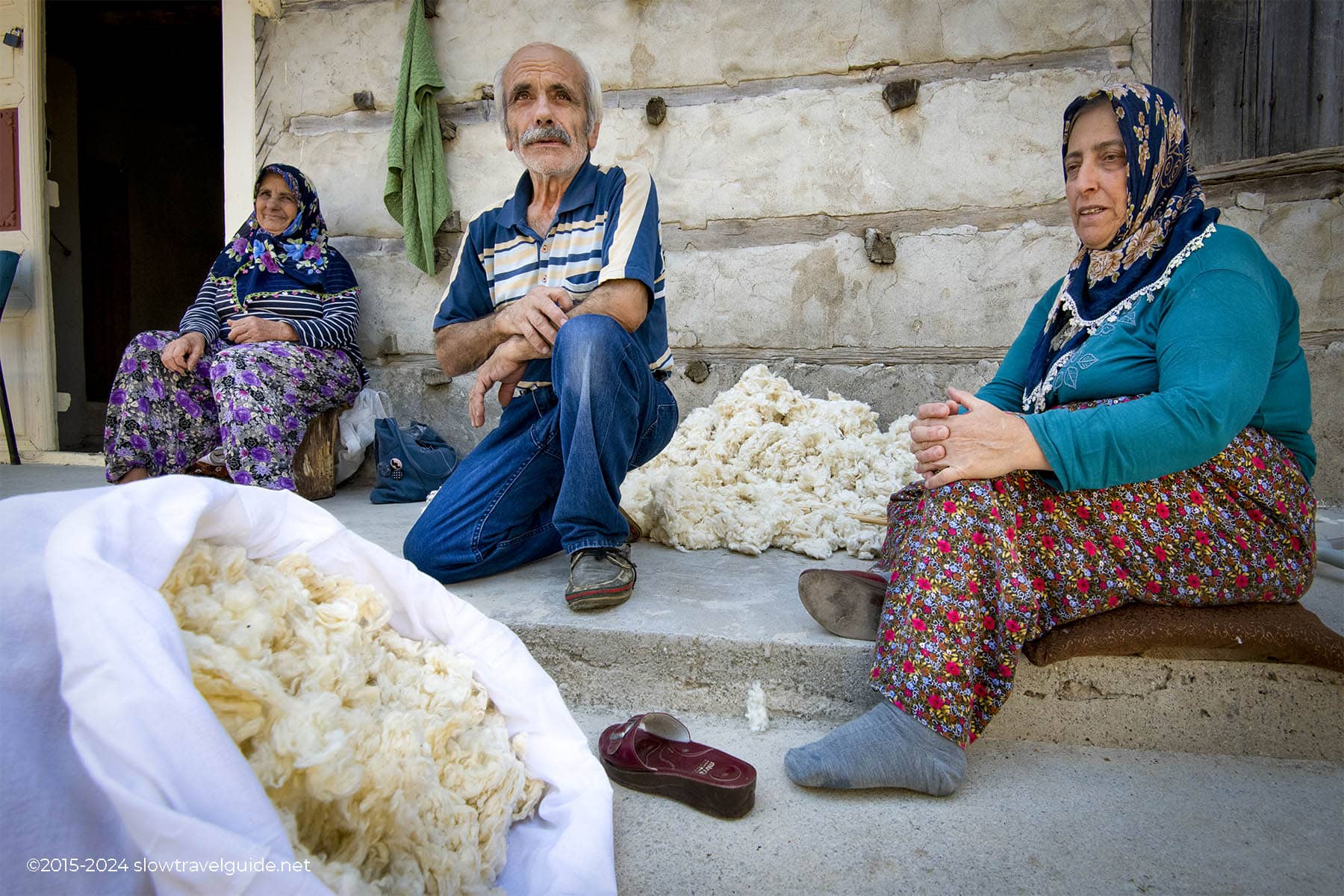
Locals Processing Their Wool And Cotton Harvest
EXPLORING THE SURROUNDINGS
Ormana makes a great day trip from Side, or even Alanya or Antalya. Make sure your plans involve visiting İbradı. This small village is larger than Ormana, yet it still has several excellent button house and other Ottoman mansion examples. If just for the picturesque ride, it would be a shame to skip this quick diversion. Don’t forget to check out Sarıhacılar while you’re here. Check out our post and make your own judgement if you don’t trust us.
For those who enjoy hiking, there are some really stunning routes along the Taurus Way. Alternatively, you can explore the remnants of this ancient site by following the Kardelen EKO-tur signs to Erymna. Consider it more of a walk than a visit to an old site because, when you get there, all that’s left of the structure is the foundation of a colonnaded building and a tomb.
Getting here is easy, both by car or using public transportation. The village is well waymarked from all the main roads, so follow the signs. If you want to go to Ormana by bus, click here to access the current timetables. Located at an altitude of around 1.200 m, Ormana generally has cooler summer temperatures than the coastal resorts. Expect the occasional snow in winter!
© 2016-2022 All rights reserved by slowtravelguide.net.
The content of this website is copyright protected and the property of slowtravelguide.net.No part of this website may be reproduced in whole or in part in any manner without the written permission of the copyright owner.
Copyright ©2016-2022 Tüm hakları saklıdır. Bu (slowtravelguide.net.) web sitesinin içeriği koruma altındadır ve slowtravelguide.net.Buradaki hiçbir içerik (yazı,fotoğraf,video vb.) izinsiz olarak kopyalanamaz, alıntı yapılamaz,başka yerde yayınlanamaz.