
TABAE
By Slowtravelguide
TABAE: UNUSUAL STOP & CAVE-HUNTING ON THE DENIZLI-MUĞLA ROAD
I mean, every road trip needs a couple of stops. We wholeheartedly support the maxims “it’s all about the journey” and “always take the scenic road.” We thus intended to make a roadside stop at Tabae, also known as the Fortress of Tavas, while travelling between Muğla and Denizli.
Although Tabae was designated as an archaeological site in 1985, the majority of the buildings and structures from the ancient city are still underneath today. However, there are several cave houses within the naturally occurring stronghold that commands the landscape. Readers who like our piece about the painted mosques close to Pamukkale will be pleased to learn that Tabae also has one of them.

Tabae In A Nutshell With The Cevher Paşa Mosque And The Kale
THE STORY OF TABAE OR THE FORTRESS OF TAVAS
Situated near the intersection of Caria and Phrygia, Tabae has been inhabited since the Bronze Age. However, due to the significant potential of a hazardous landslip in the 1960s, the town was evacuated. It is nearly impossible to comprehend that people lived here little over 50 years ago when one is walking around the site today. With weaving studios originating from the Roman and Byzantine eras, the town was a major weaving hub in its prime.
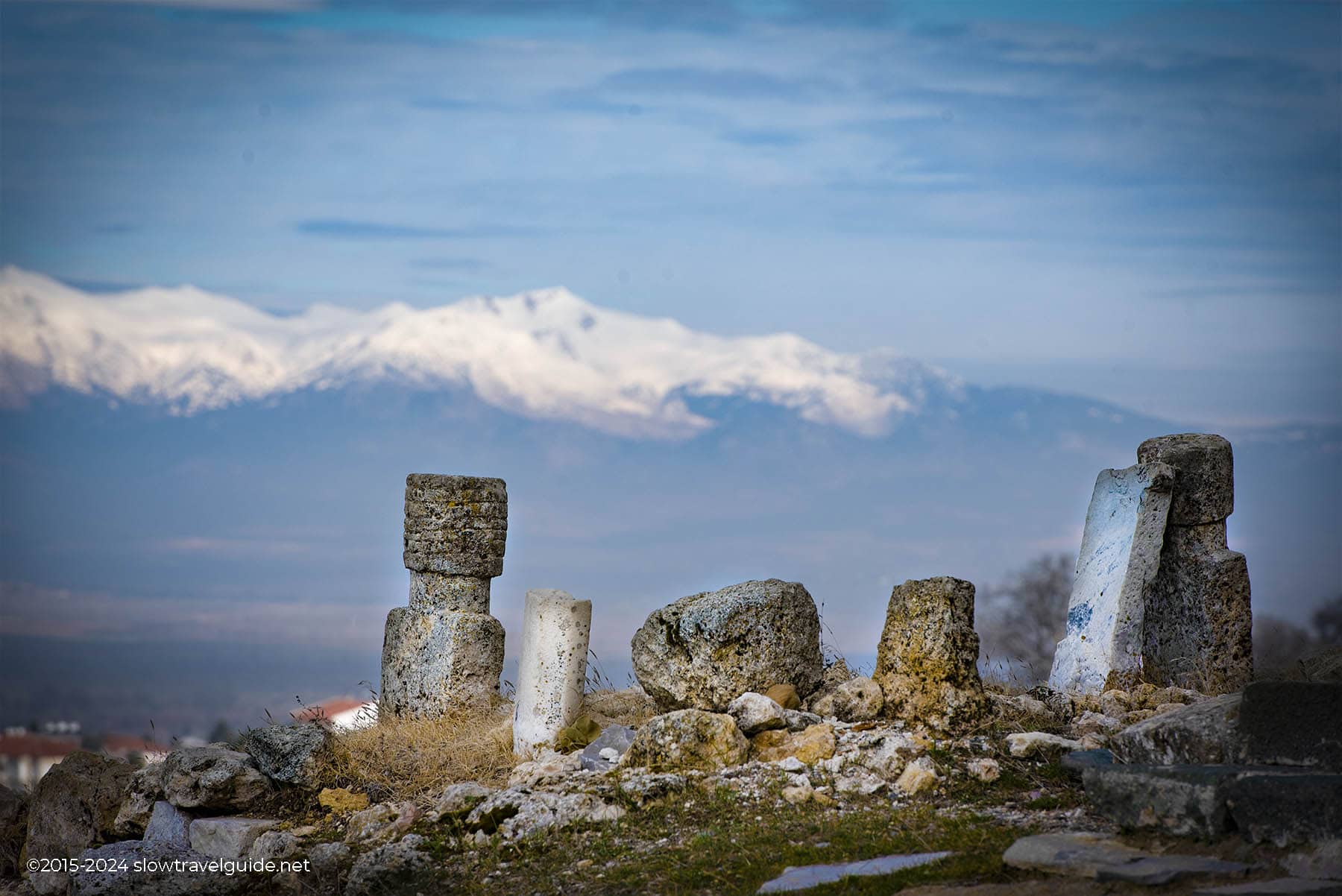
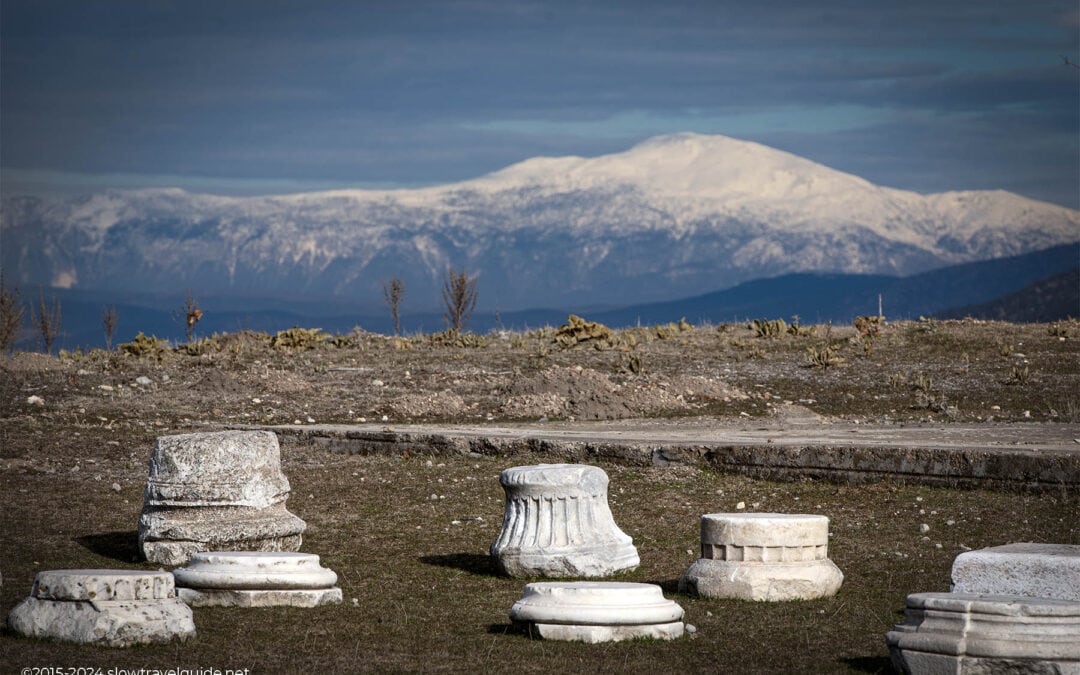
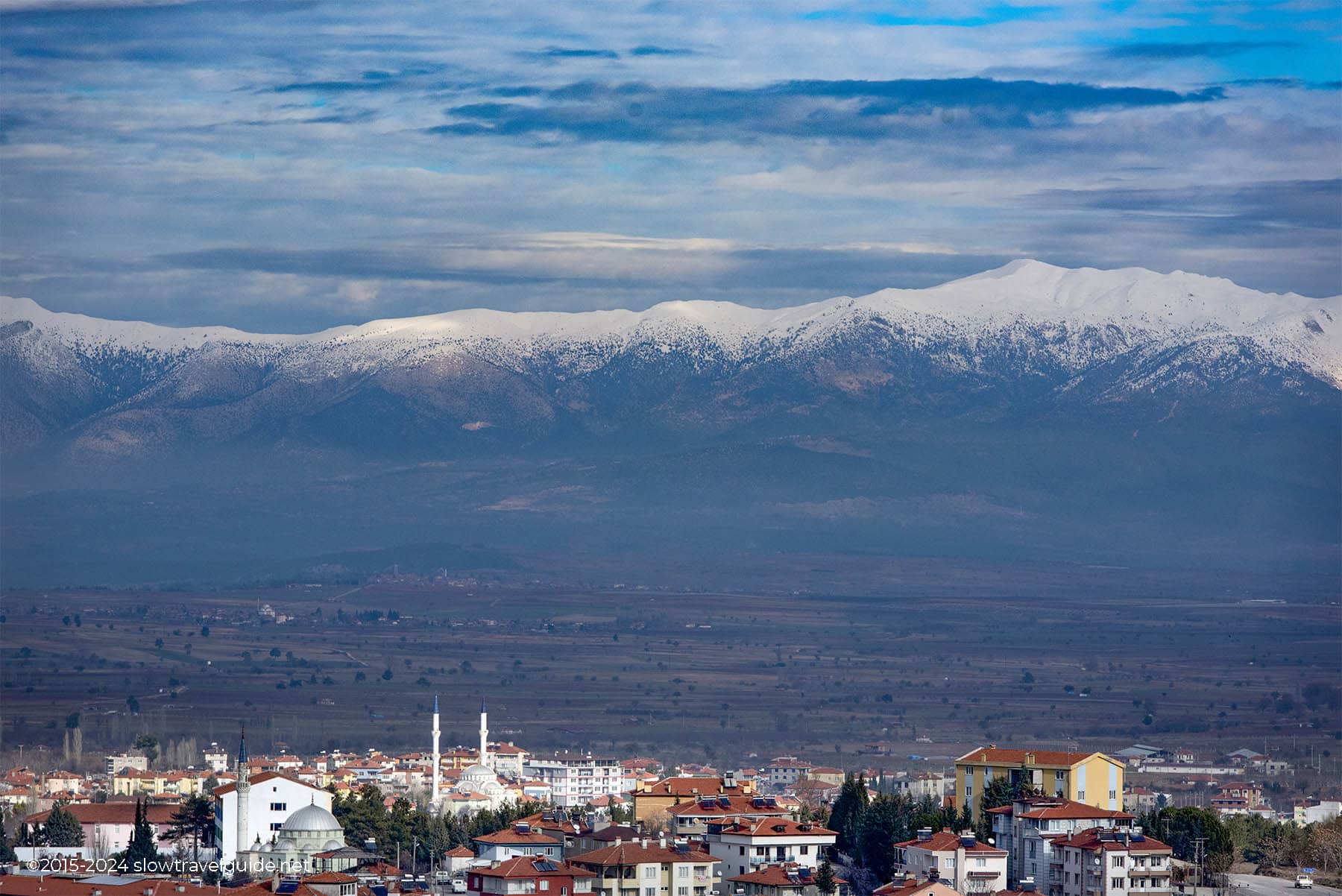
Tabae Still Life With Scenic Snowy Mountain Tops In The Background
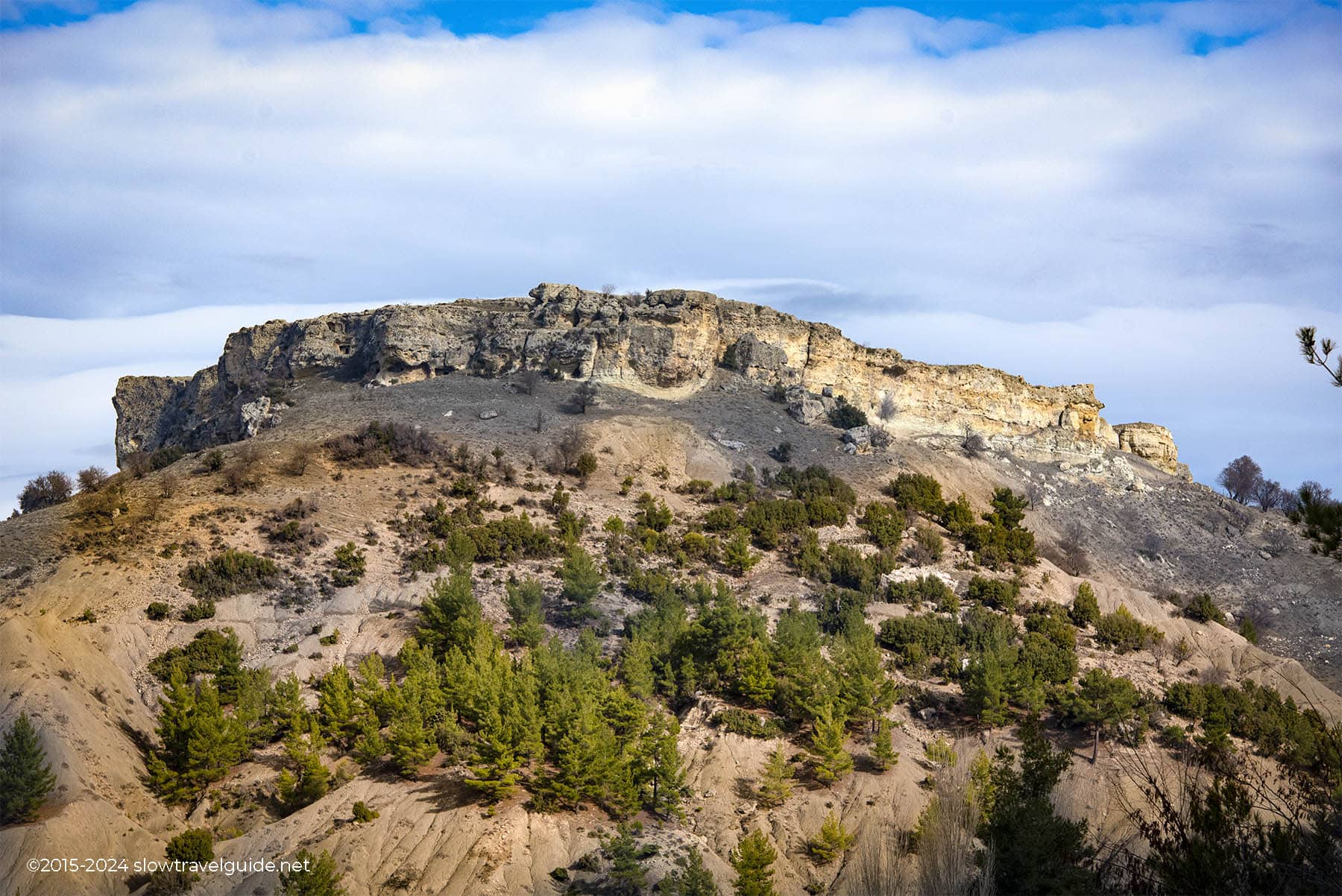
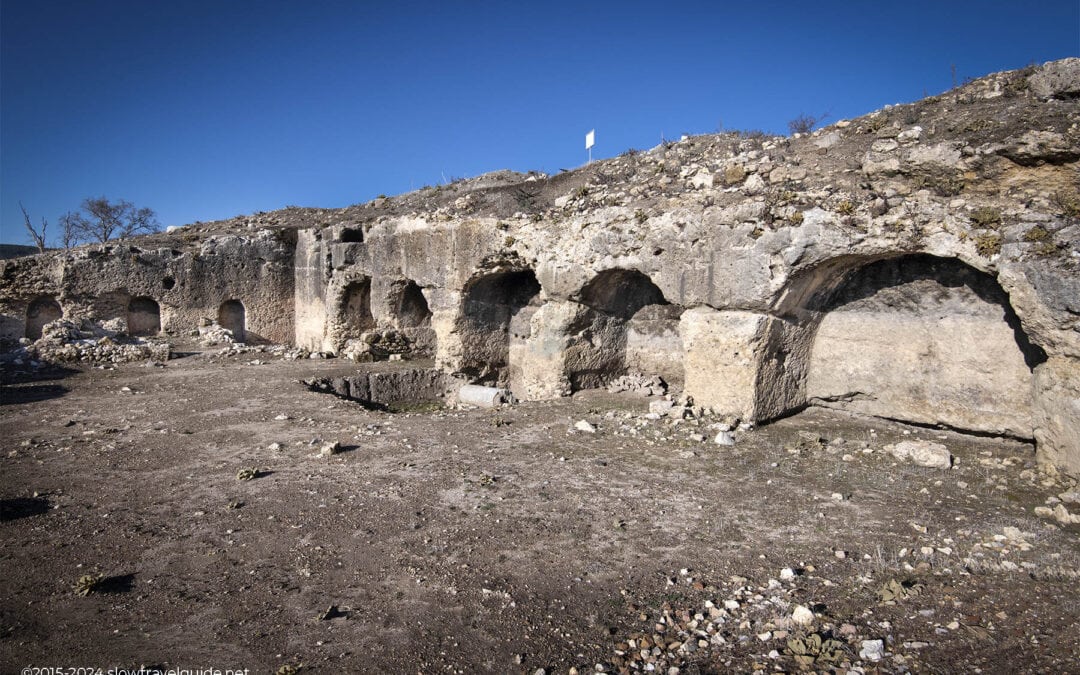
Tabae is made up of an outer castle and an inner stronghold encircled by protective walls. Encircling the inner castle, the outer one is home to several rock tombs, cisterns, wells, and chapels as well as water tunnels carved out of rock. The outer fortification once contained five mosques, a Turkish bath, three schools, about 300 residences, multiple public fountains, an inn, and six zawiyas, or religious schools. The inner fortress contained roughly 50 houses.
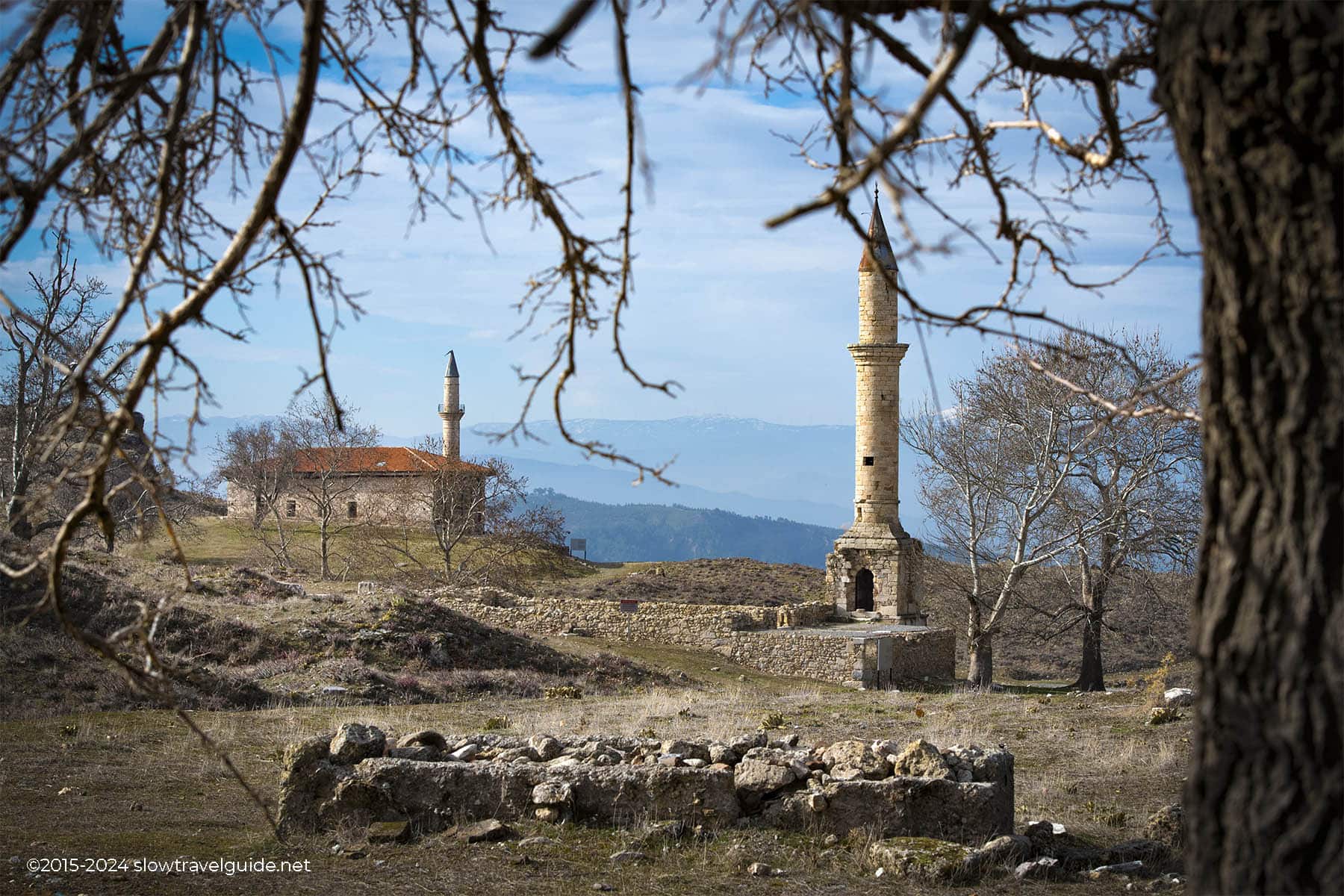
Pazar Yeri Mosque And Cevher Paşa Mosque In Tabae
Little of that is still visible today, but this doesn’t mean that Tabae isn’t worth a stop if you find yourself on the Muğla-Denizli road. Here’s what to expect when you visit.
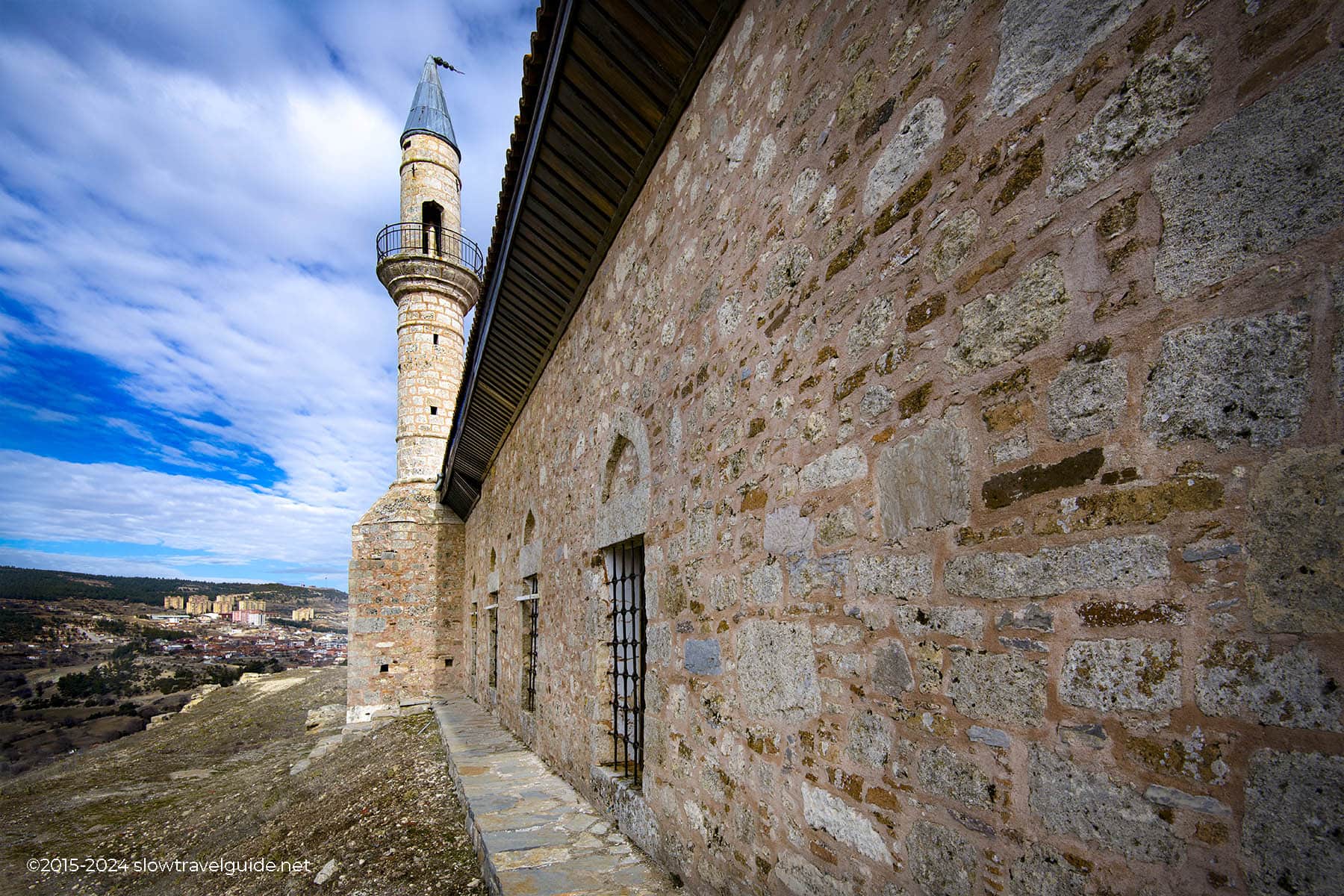
Cevher Paşa Mosque Wall And Minaret
TABAE’S CROWN JEWEL: THE RESTORED CEVHER PAŞA MOSQUE
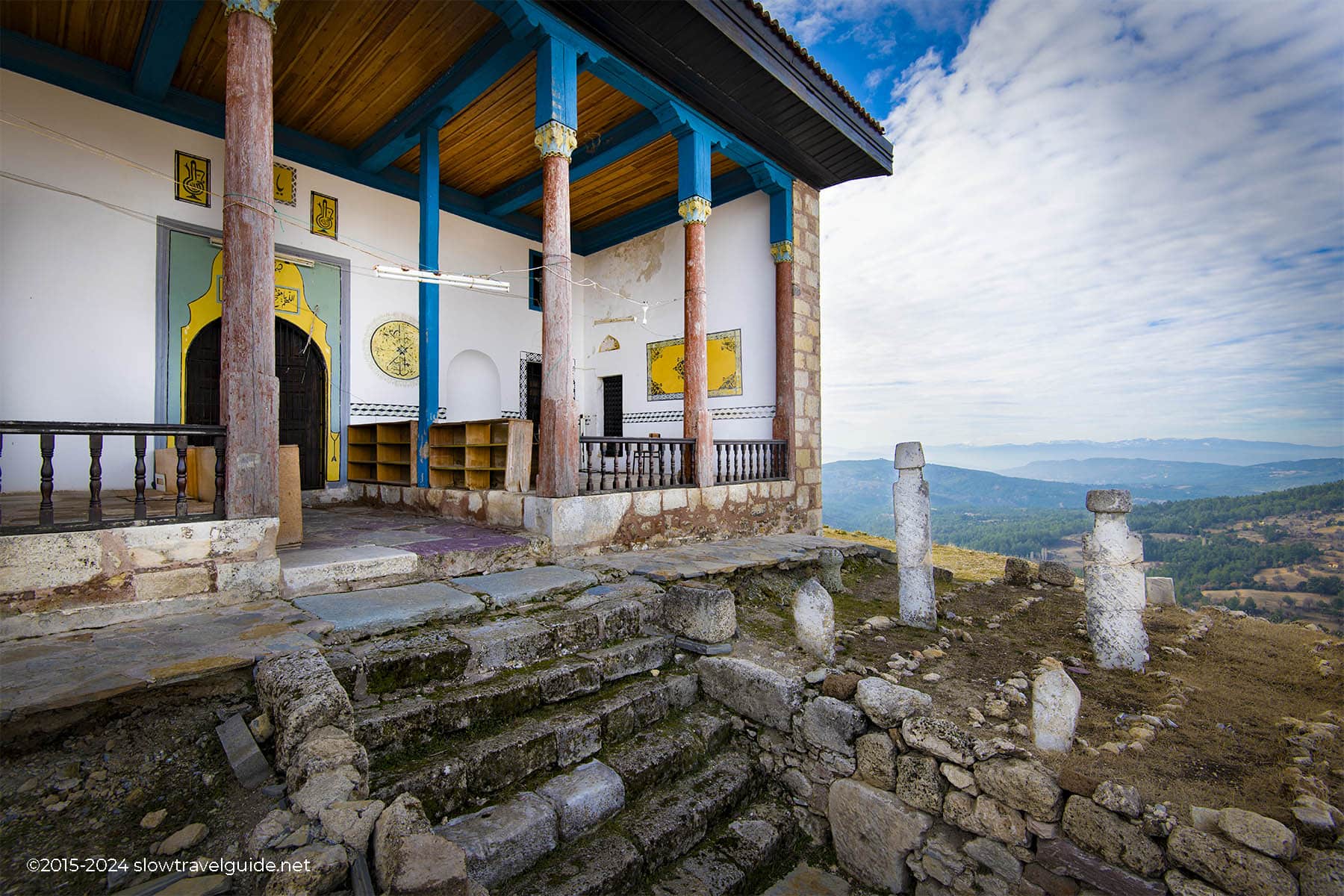
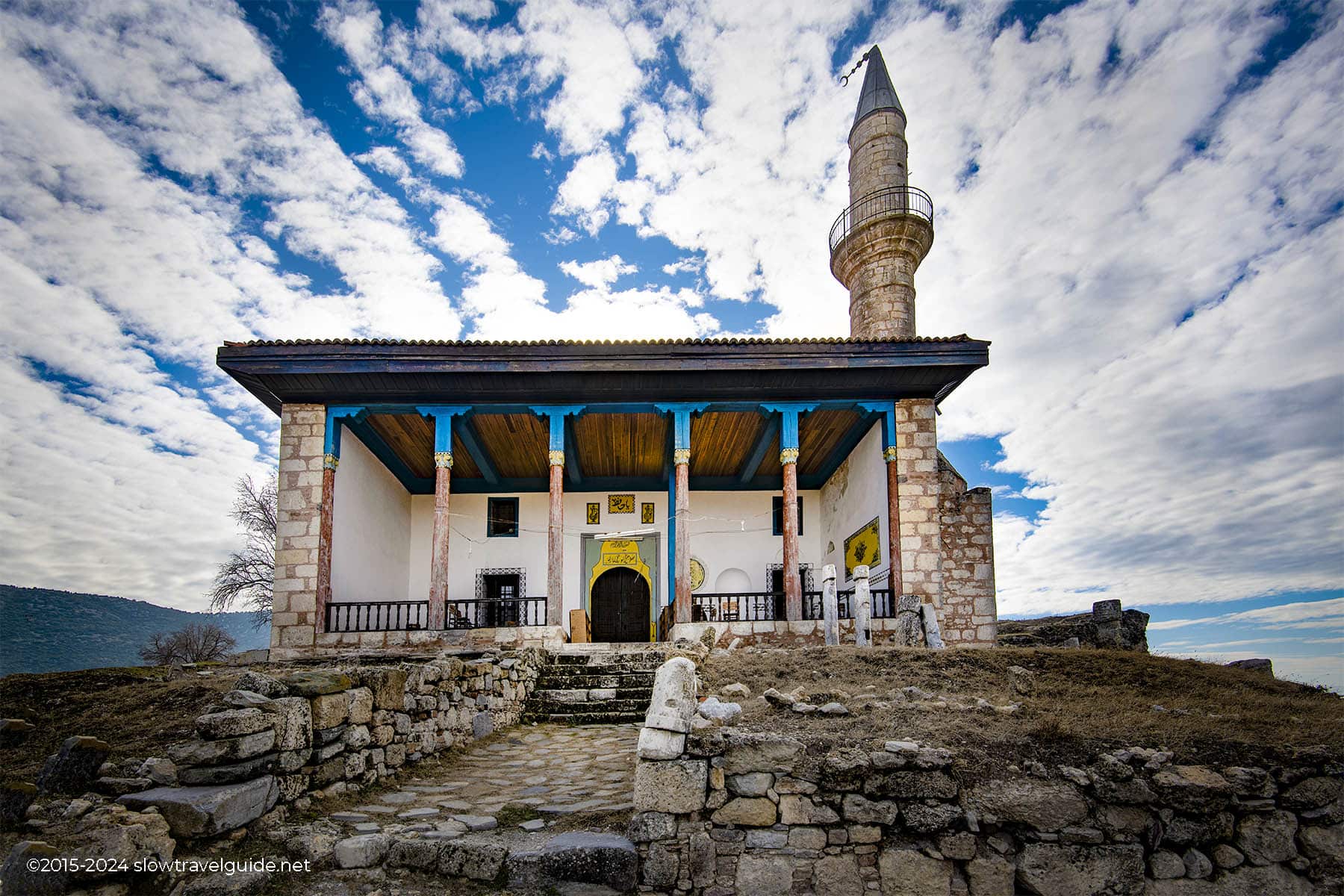
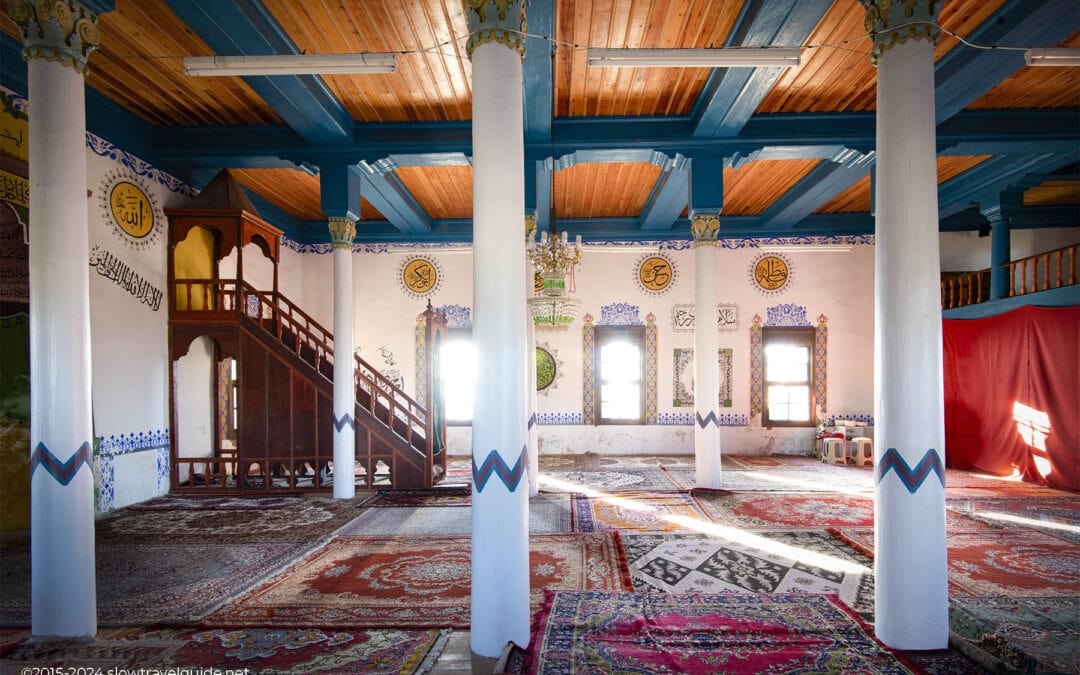
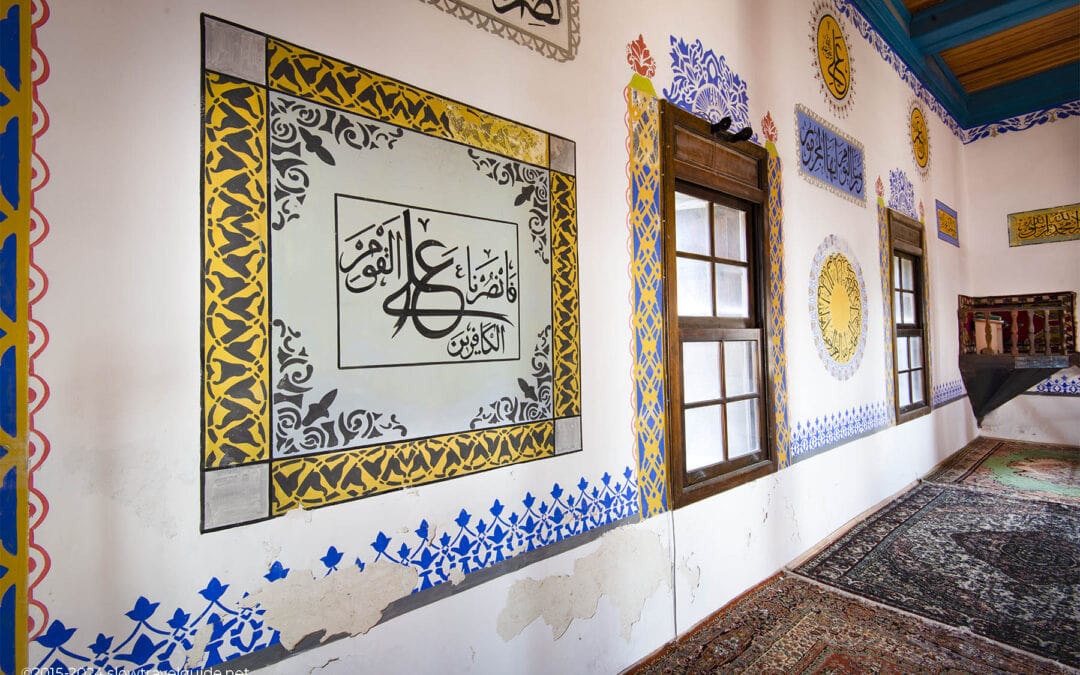
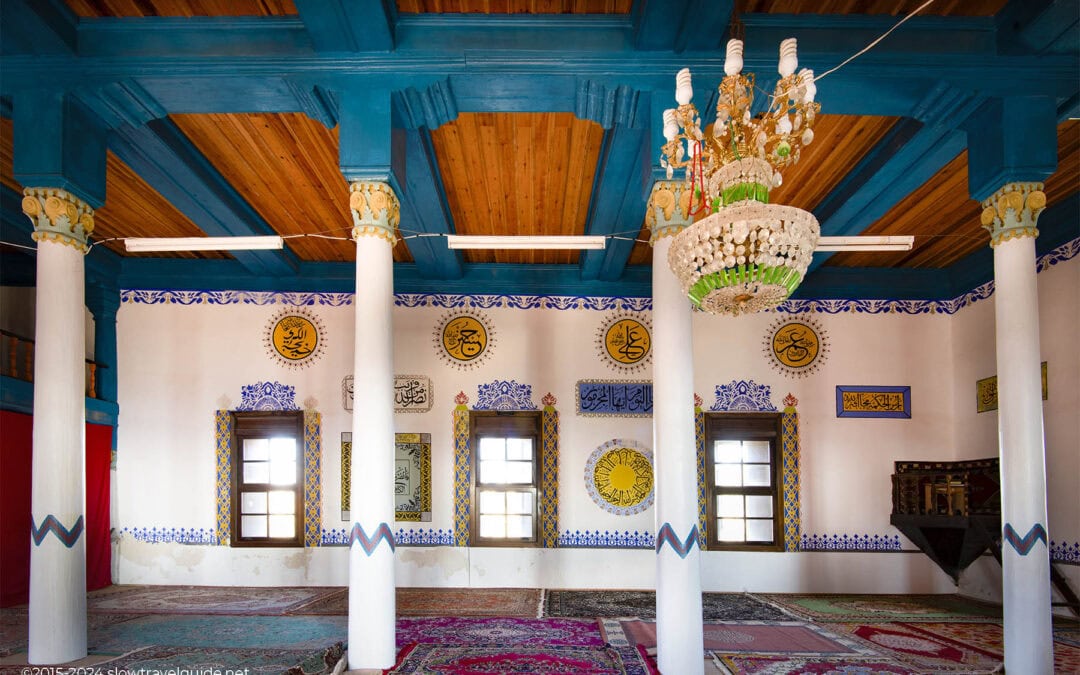
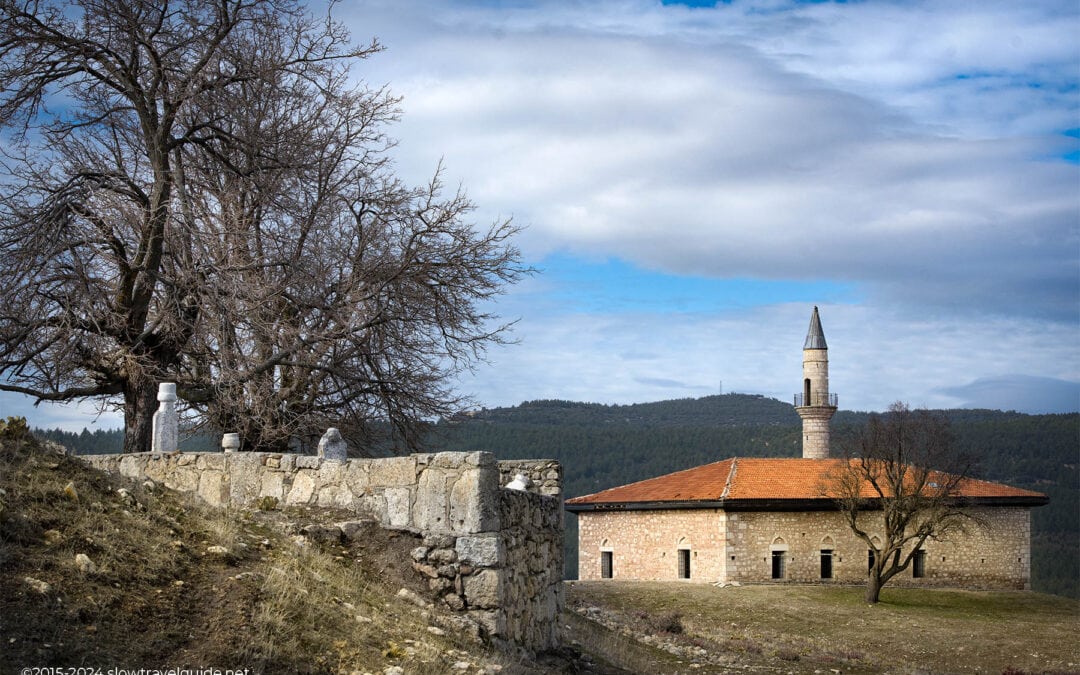
The reconstructed mosque located nearly at the top of the fortification is without a doubt one of the attractions of a visit to Tabae. Restored, the Cevher Paşa mosque features a rectangular prayer hall and a northern portico for latecomers. The mosque’s wood roof, supported by wooden pillars with exquisitely carved capitals, is evidence of the mastery of its architects.
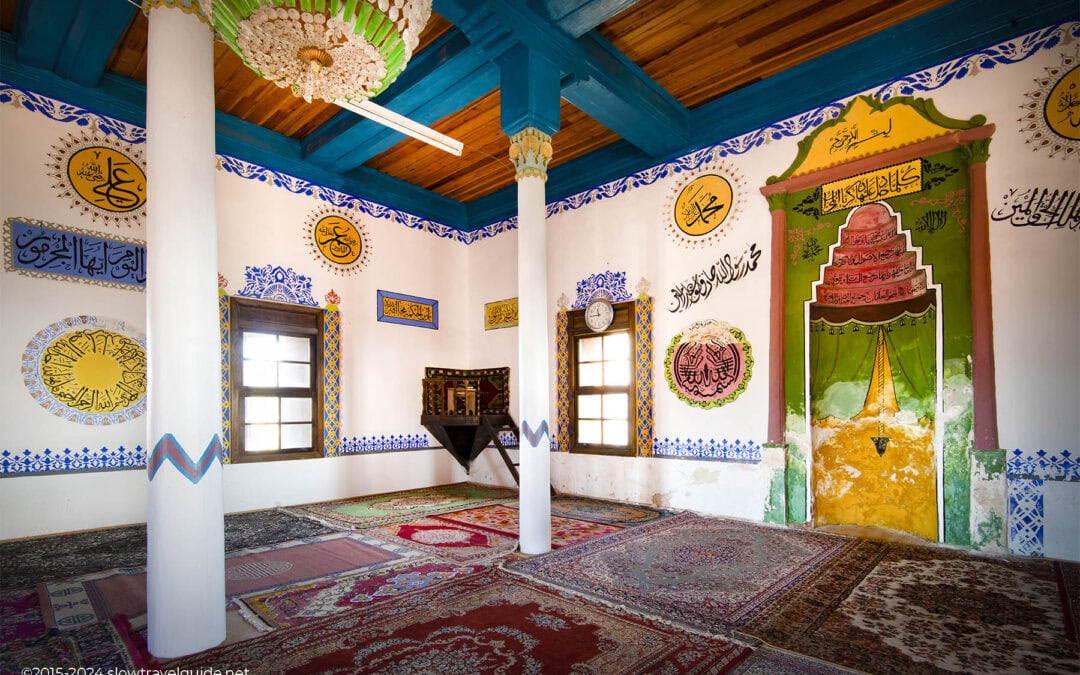
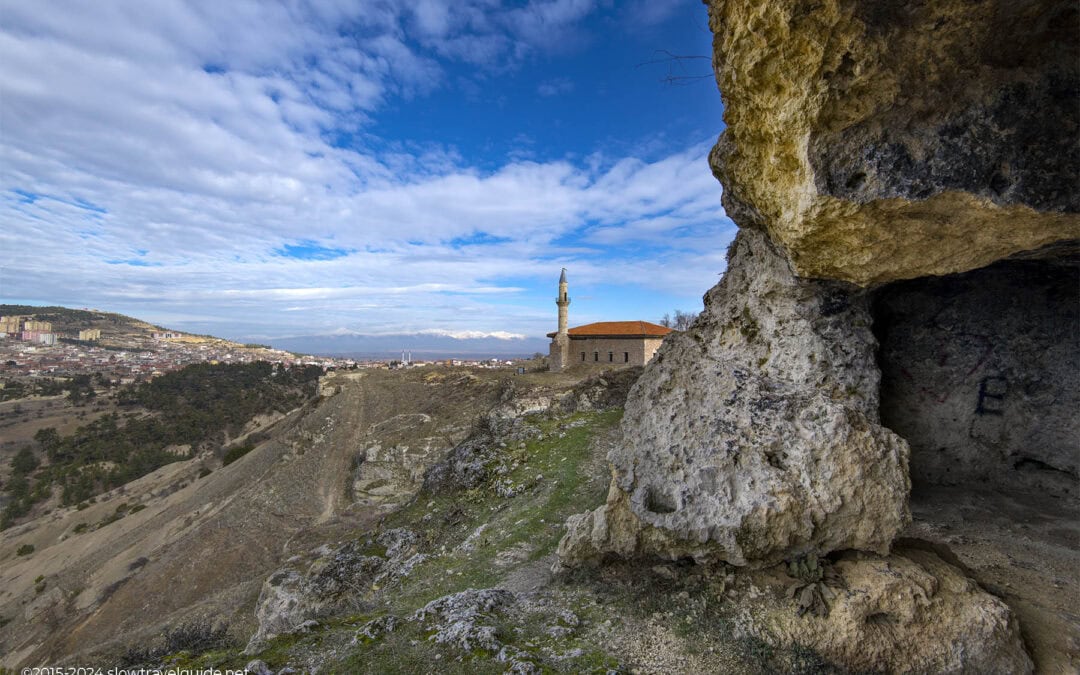
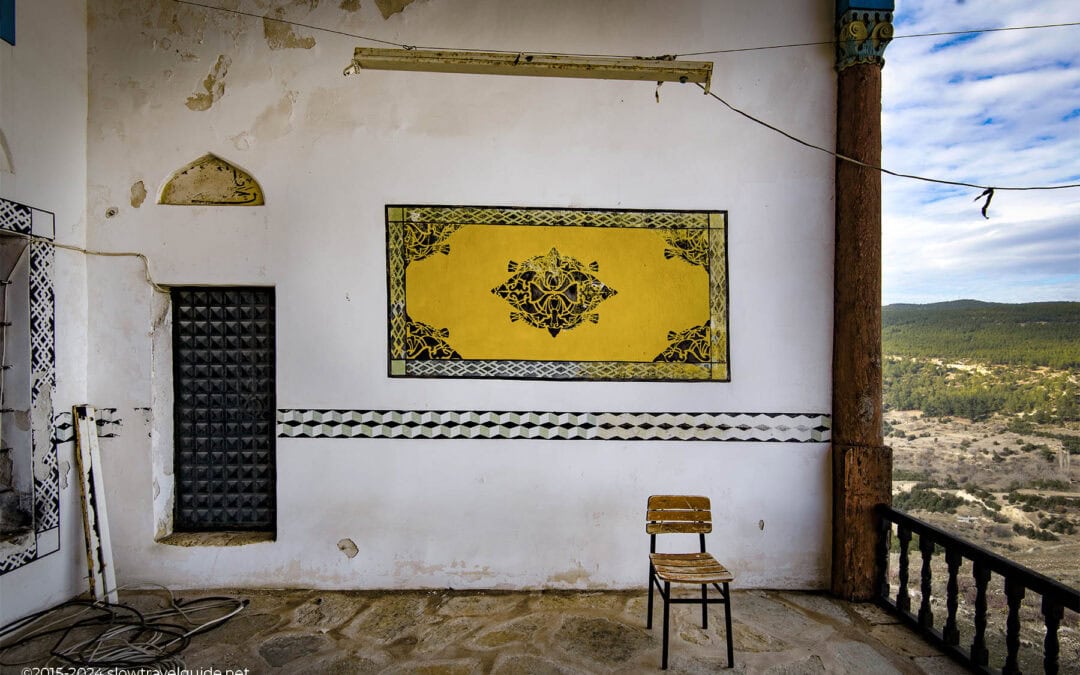
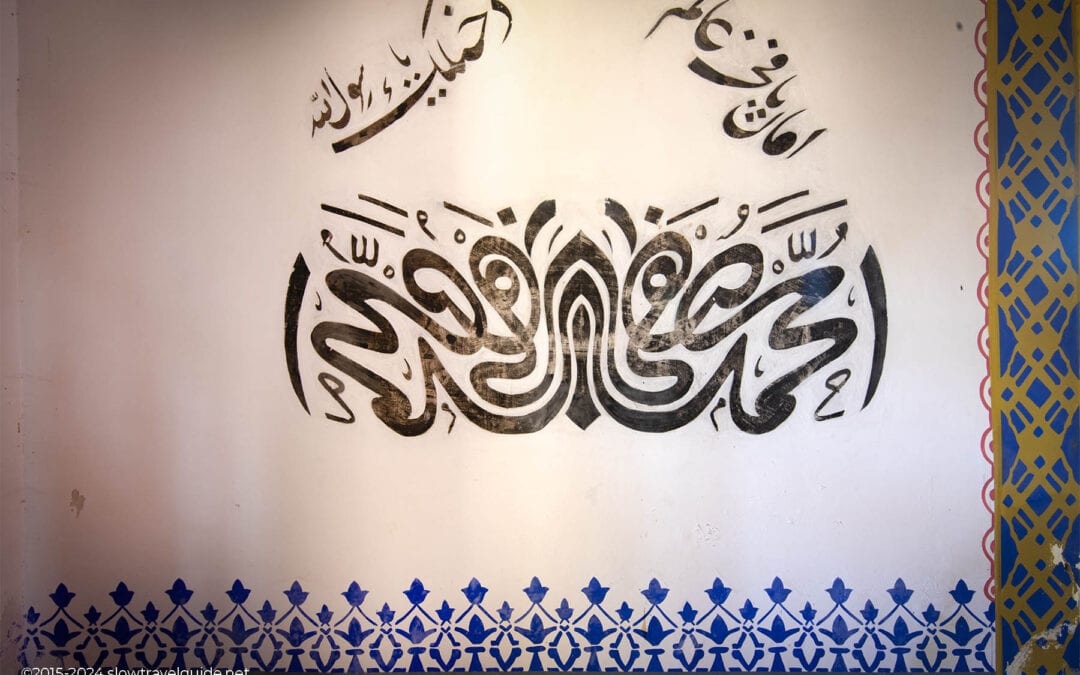
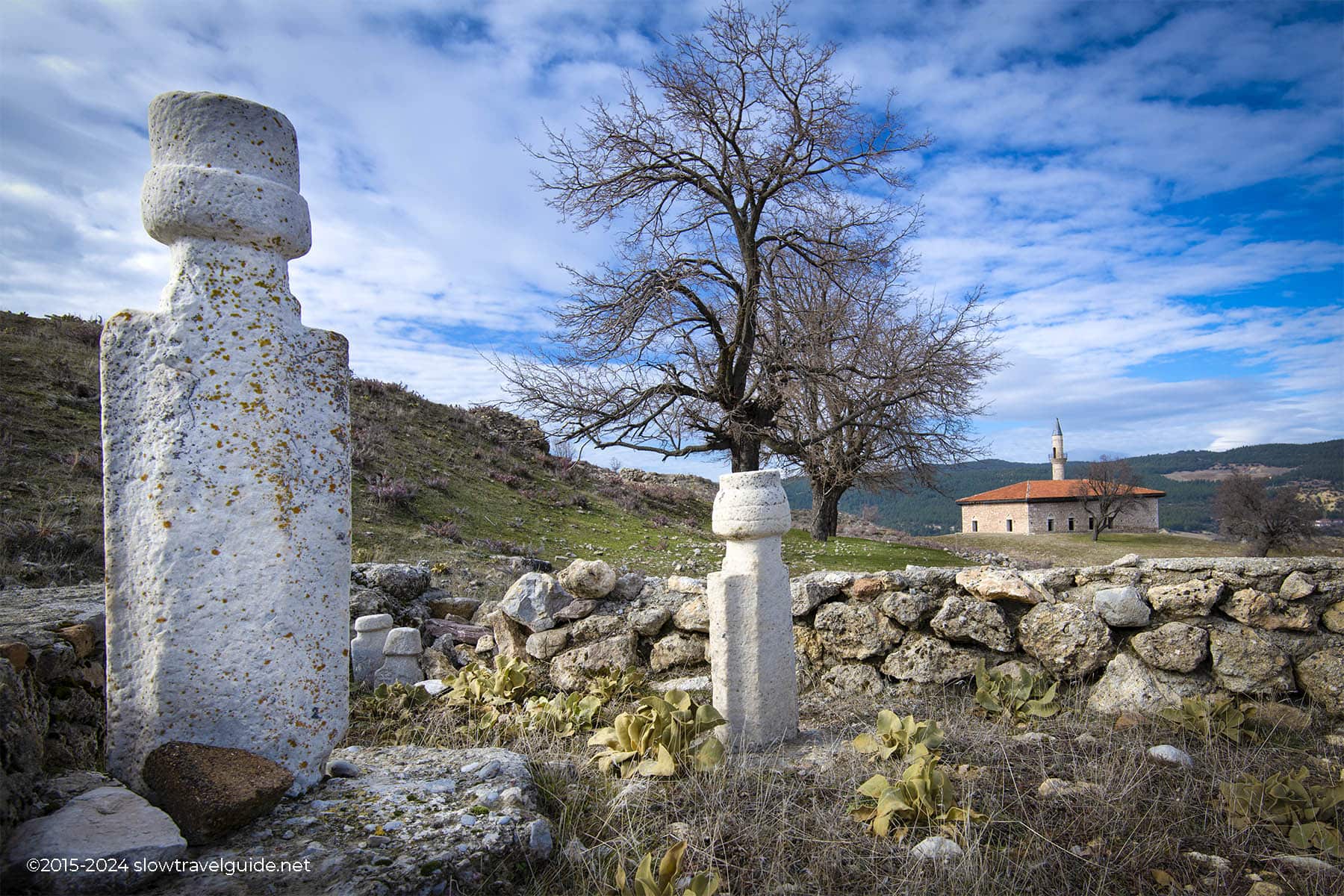
Pazar Yeri Mosque And Cevher Paşa Mosque In Tabae
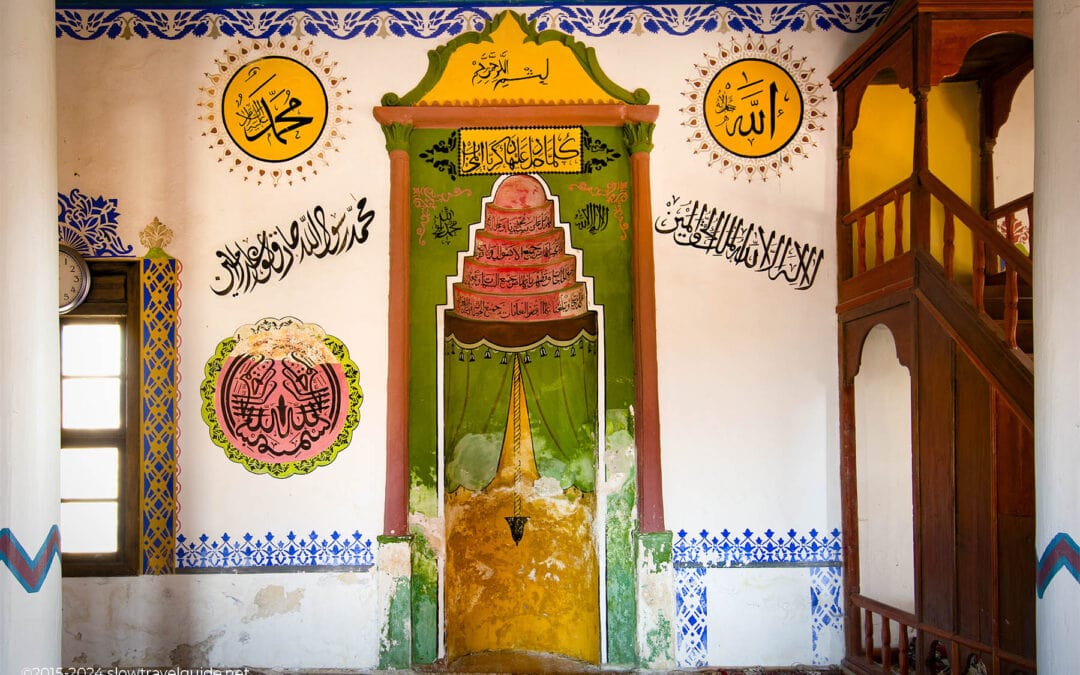
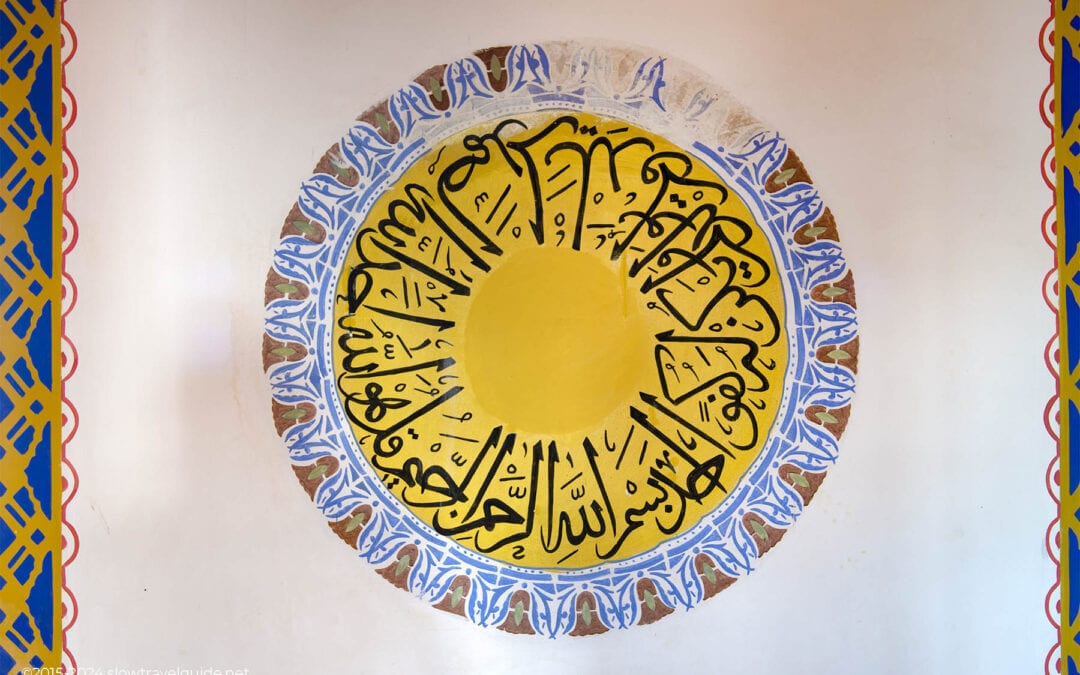
Although the exact year of the mosque’s construction is unknown, scholars believe it was constructed during Cevher Paşa’s lifetime in the 14th or 15th century. It is thought that the date (1235/1819-20) painted above the entryway alludes to a significant restoration. The mosque’s interior is a rainbow of hues. Vibrant decorations adorn the timber pillars and walls, while the wooden floor is finished with a patchwork of rugs and kilims.
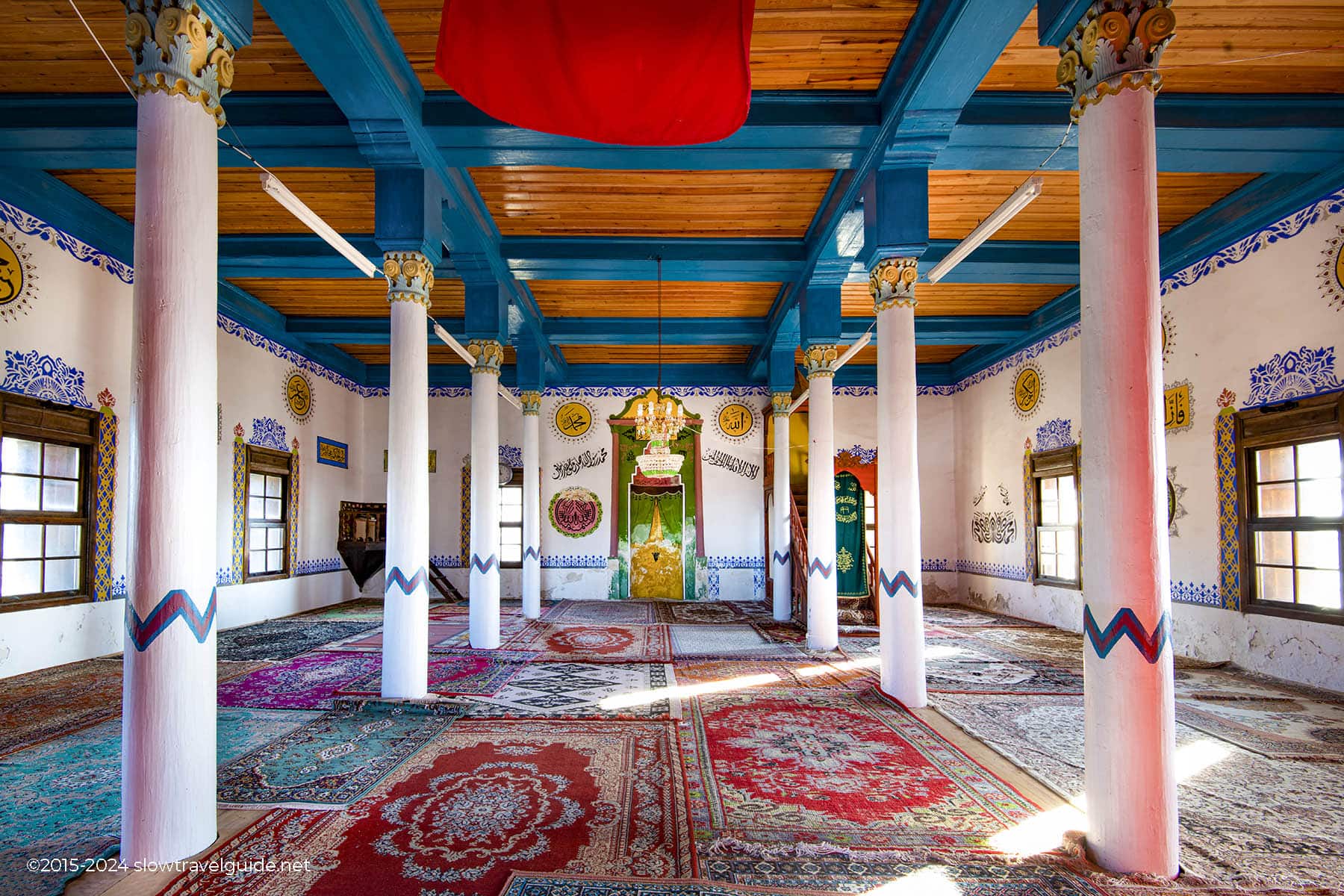
Inside The Episcopal Church
Be advised that although the mosque in Tabae has been repaired, it is generally closed. We think that because there weren’t many people visiting the site, it was abandoned and gradually fell into disrepair again. This means that unless you’re extremely fortunate, you’ll have to make do with admiring the outside and the portico.
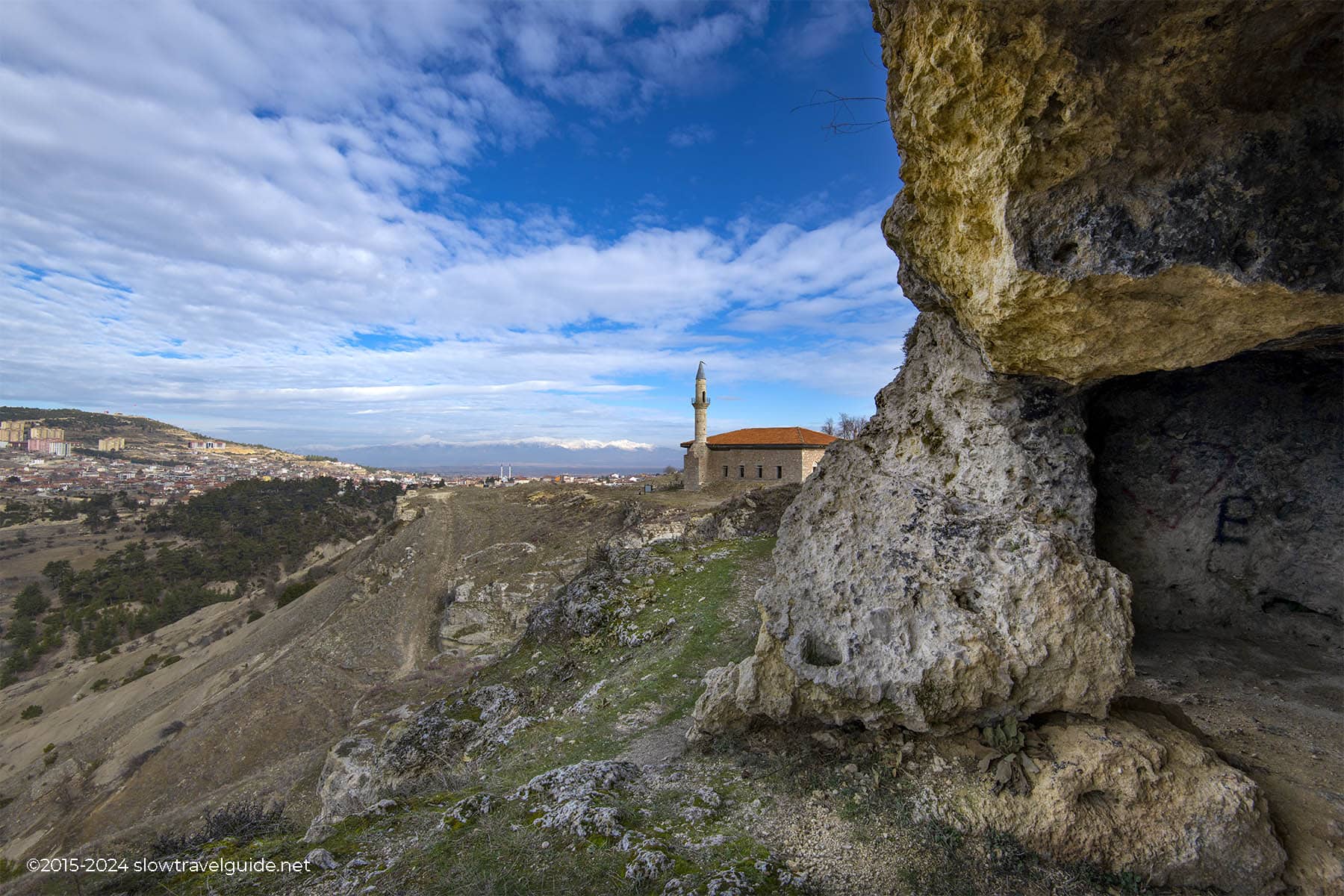
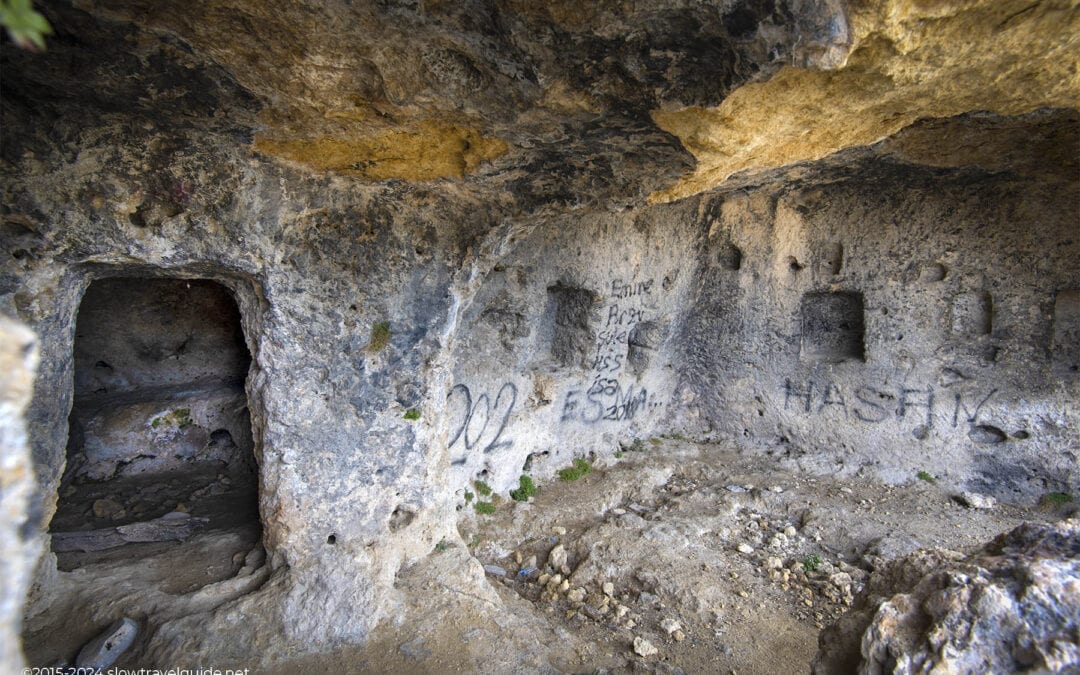
Cevher Paşa Mosque Seen From One Of The Caves
A WALK WITH A VIEW & SOME SURPRISES
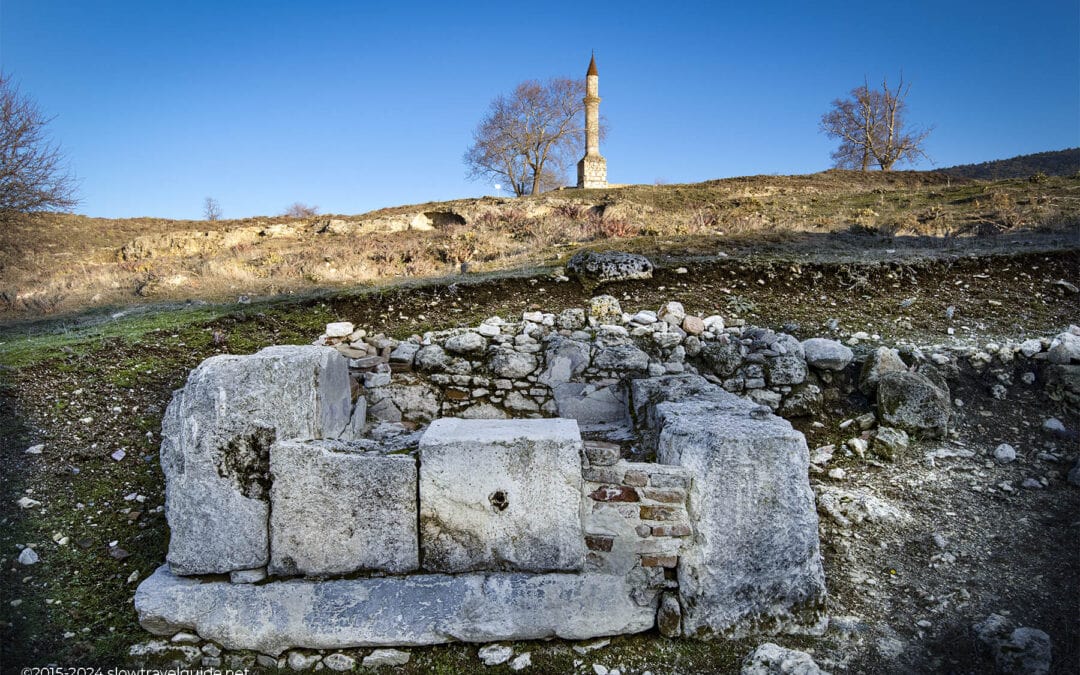
You may take in the breathtaking views while strolling around Tabae, and you’ll also get the delight of discovering a relatively unexplored location. Following some excavation and repair work, a 114-meter-long canal—which was dry when we investigated it—or an extremely well-preserved, inaccessible Roman-era cistern were discovered. To view a photo of it on page 8 of this edition, click here. However, Tabae offers more than just the Cevher Paşa mosque and the views. You will be enthralled with the Pazar Yeri Mosque Ruins, particularly with the intact minaret.
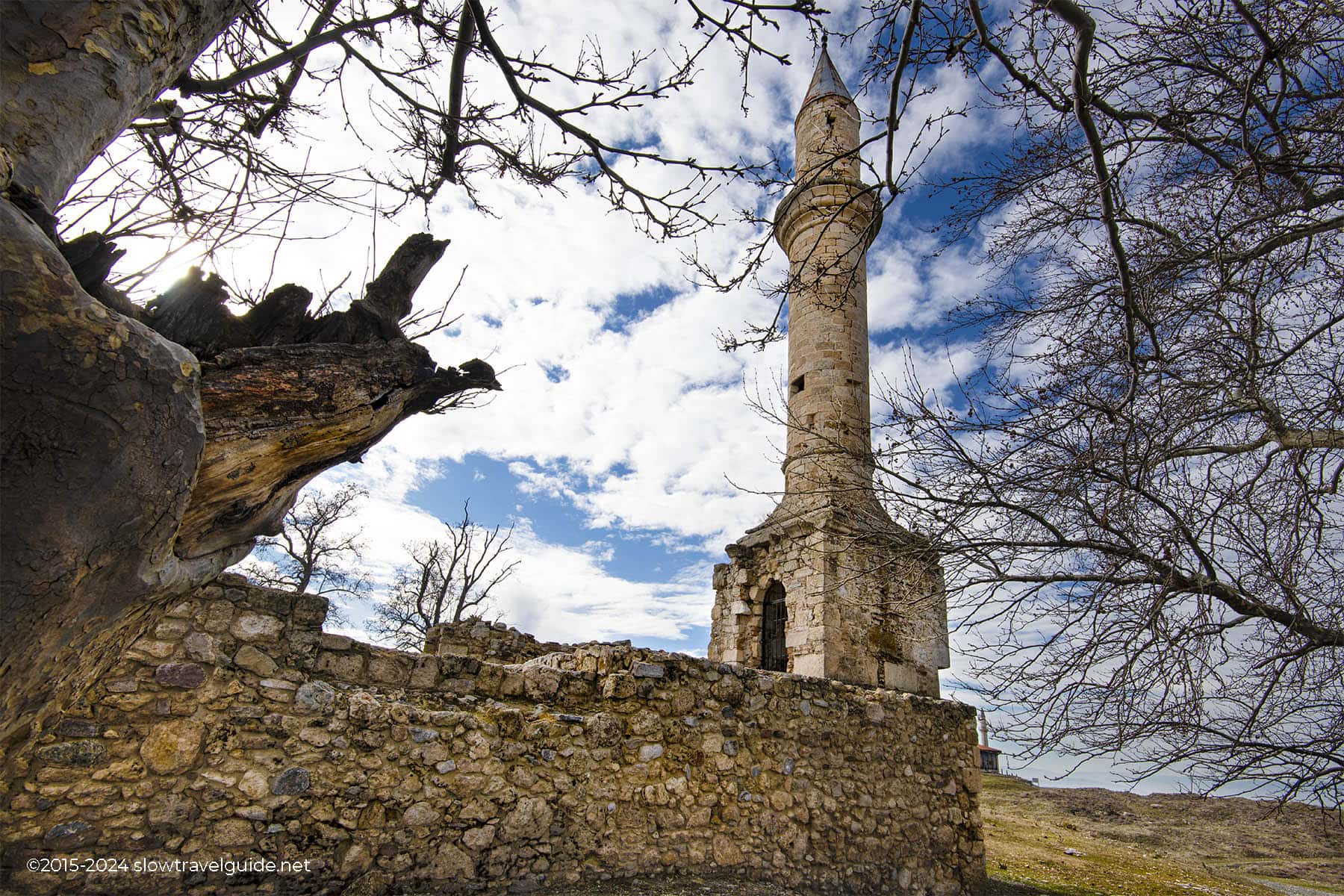
Minaret Of The Pazar Yeri Mosque
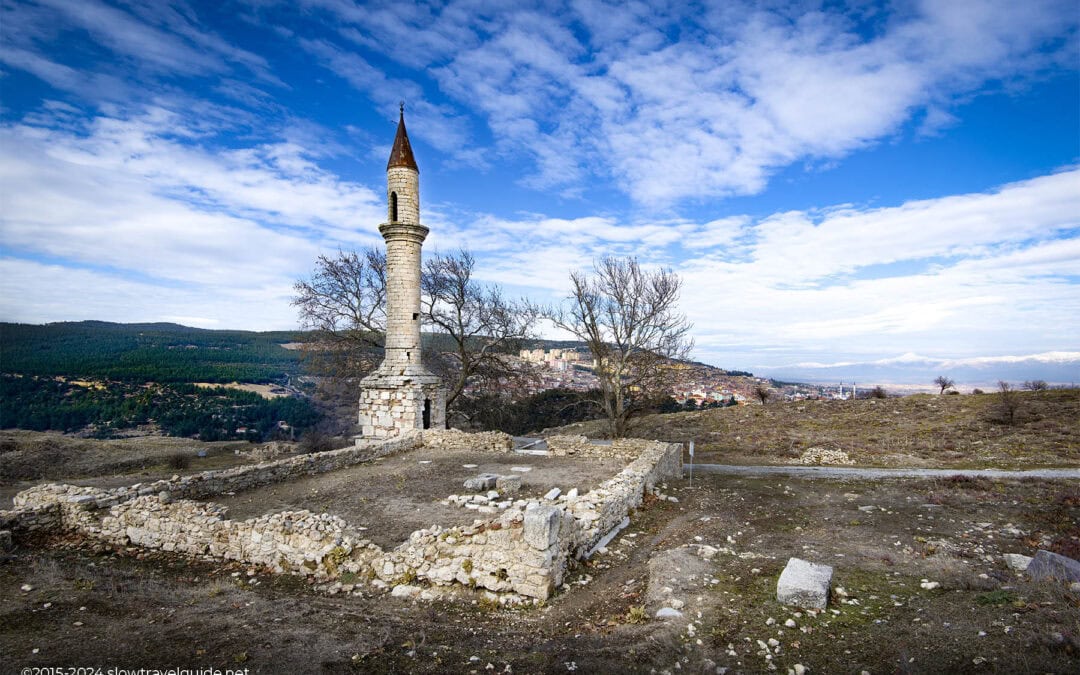
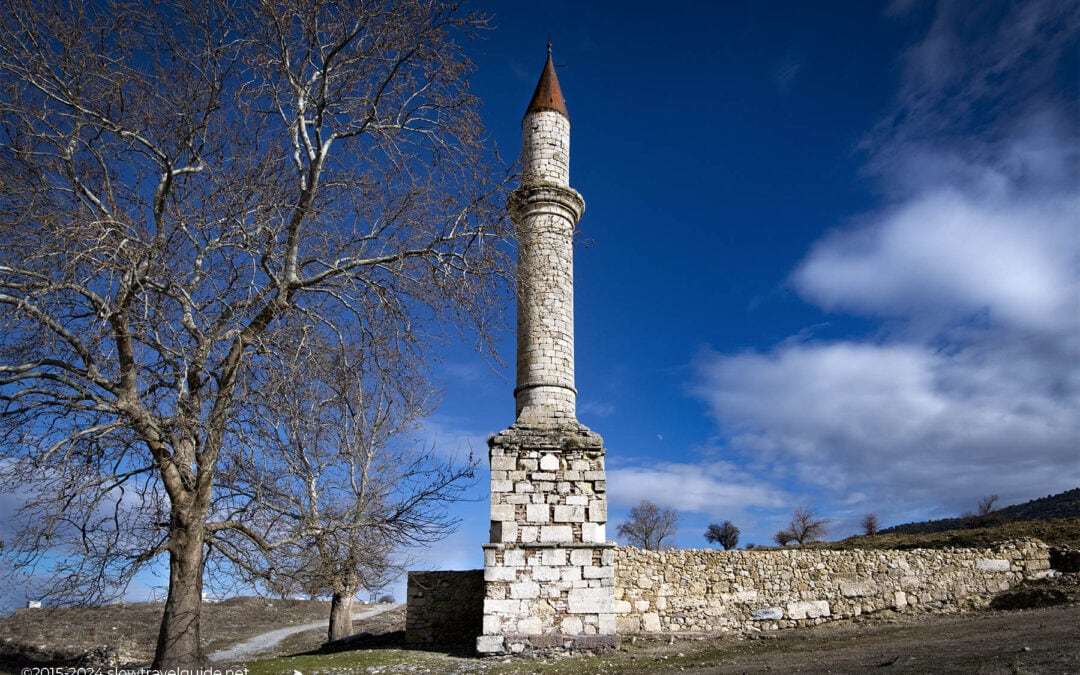

Detail Of The Pazar Yeri Minaret With The Steps Of The Stone Staircase Clearly Visible
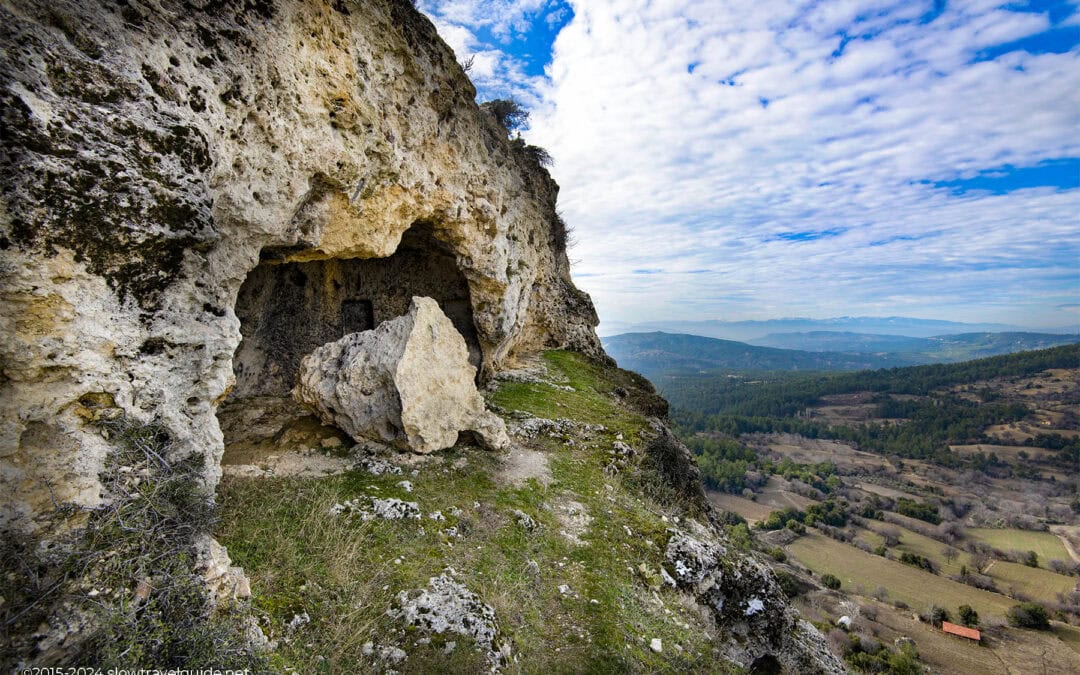
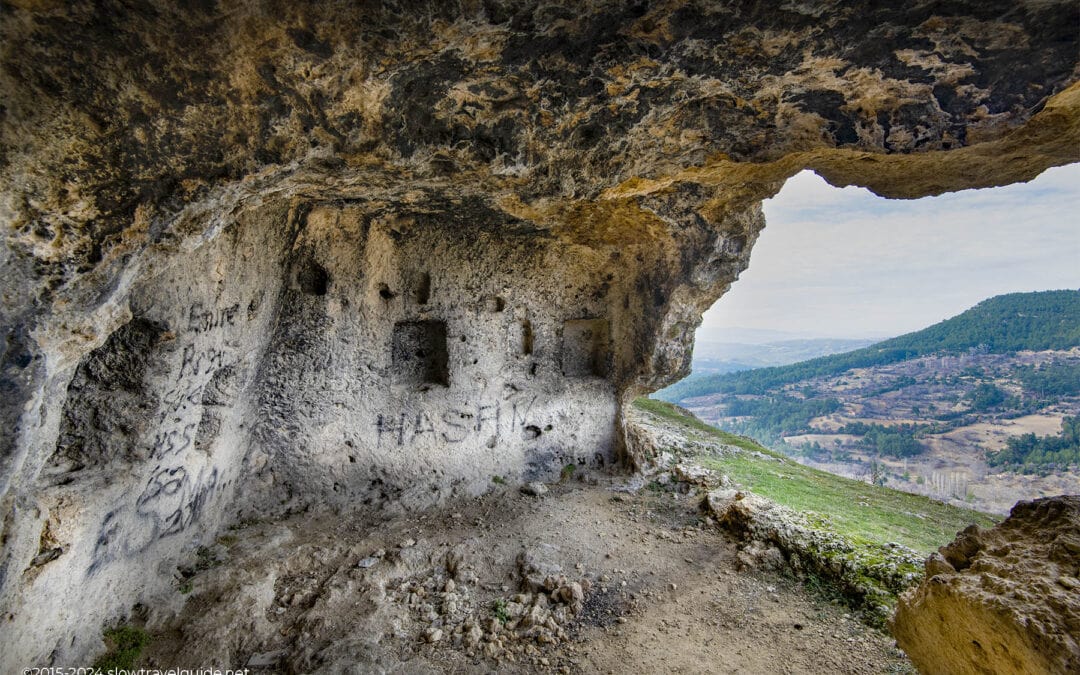
En-route, you’ll also see several caves and the remains of two Bath complexes, one near the Cevher Paşa mosque, and another, the Roman Baths, more towards the east of the site.
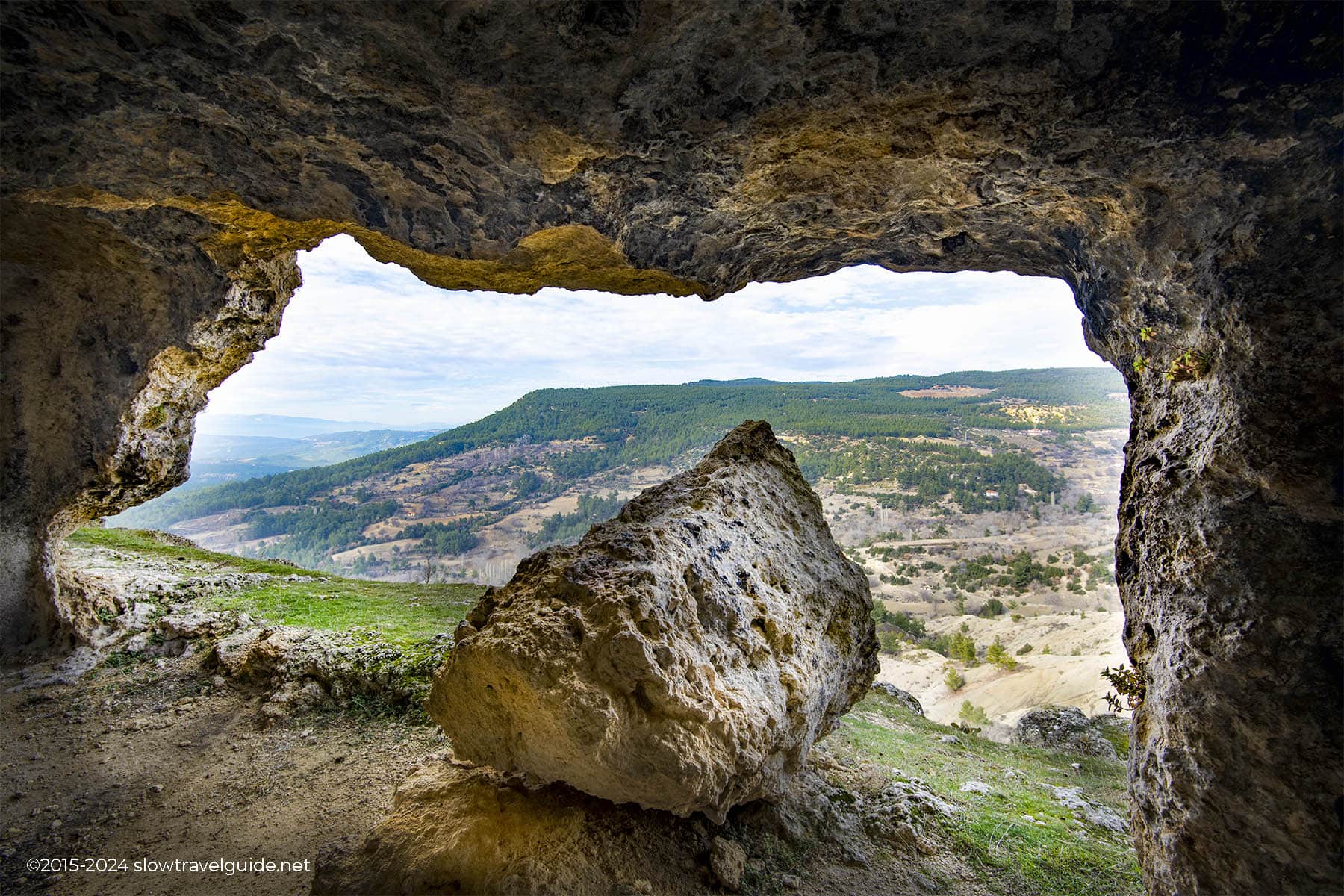
Inside One Of The Fortress’ Caves
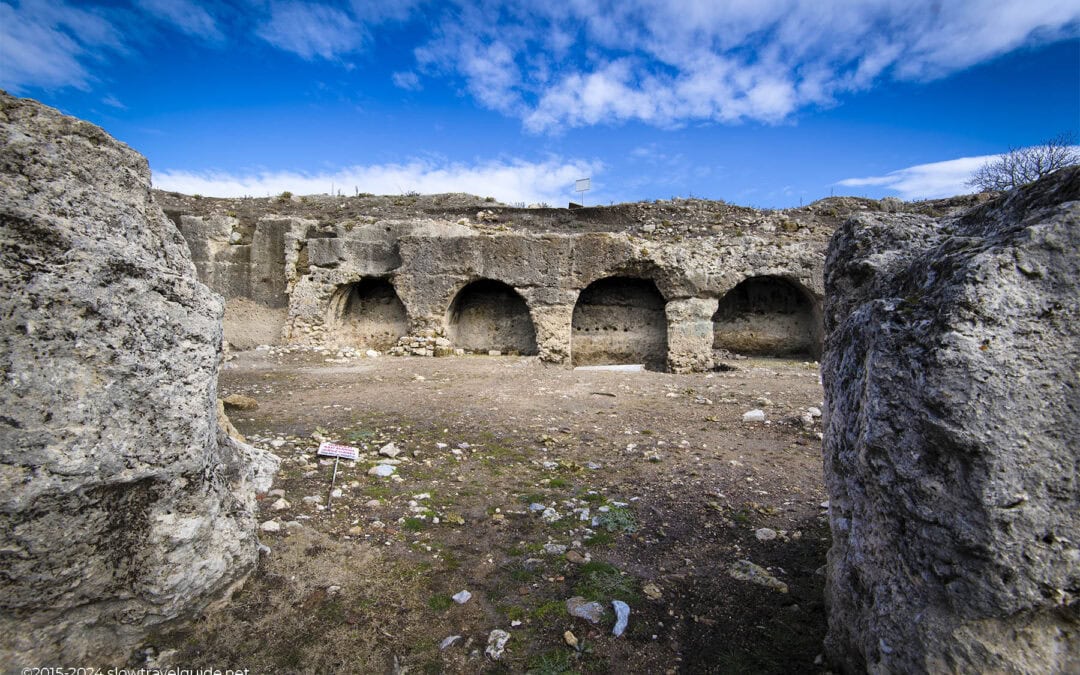
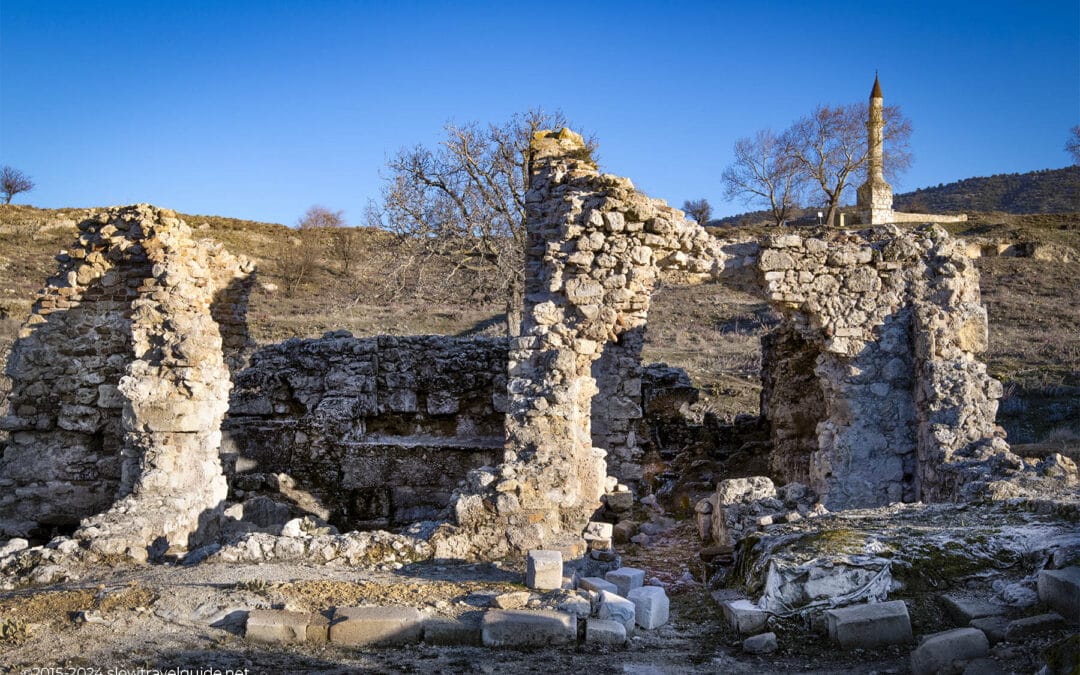
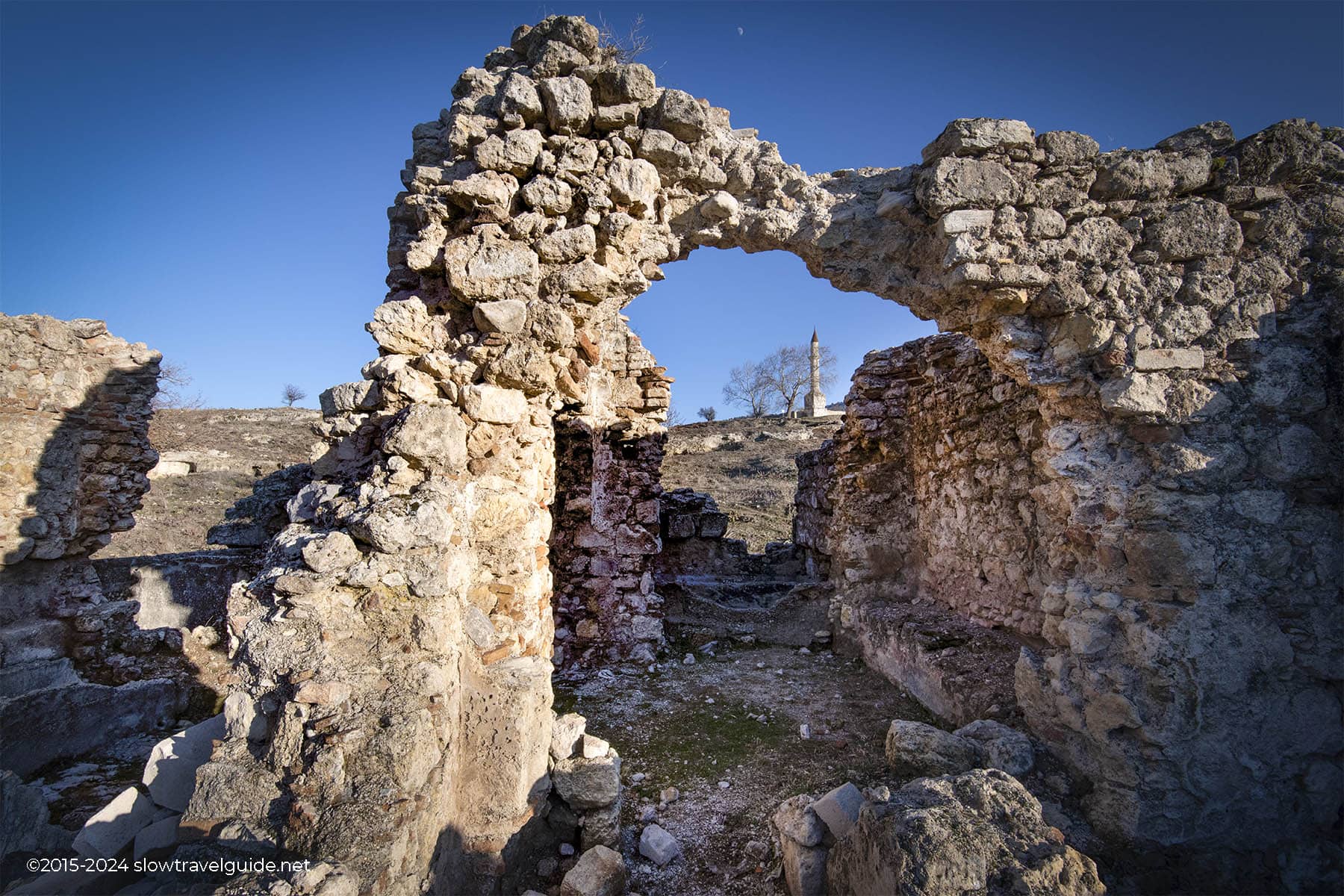

Cevher Paşa Baths
To put it briefly, when you visit Tabae, don’t expect to see an impressively restored old city or a collection of clearly visible remains. Instead, take pleasure in this location for what it is: a promising, as-yet-unexplored ancient landmark that is currently best enjoyed as a plush roadside stop. Future excavations here could provide some interesting discoveries if they proceed. Ultimately, Tabae was a significant metropolis with its own coinage.
For the time being, despite the lack of amenities, it’s a terrific place to stretch your legs. You will have to depend on the neighbouring town of Kale, which is well-known for its peppers, for that. You might want to check out their Anual Biber Festivali (also known as the pepper festival) if you’re travelling in August.
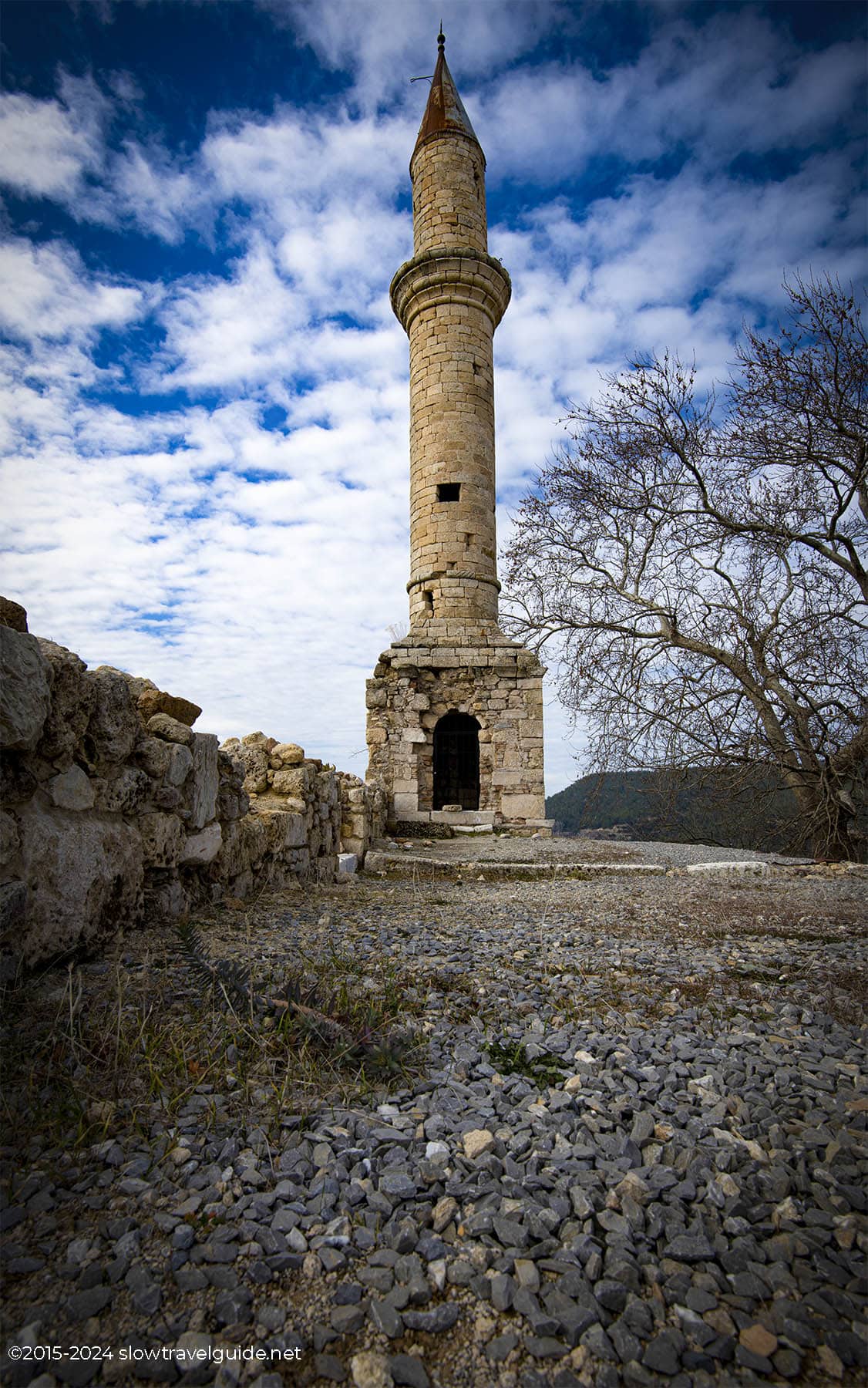
Pazar Yeri Mosque Minaret
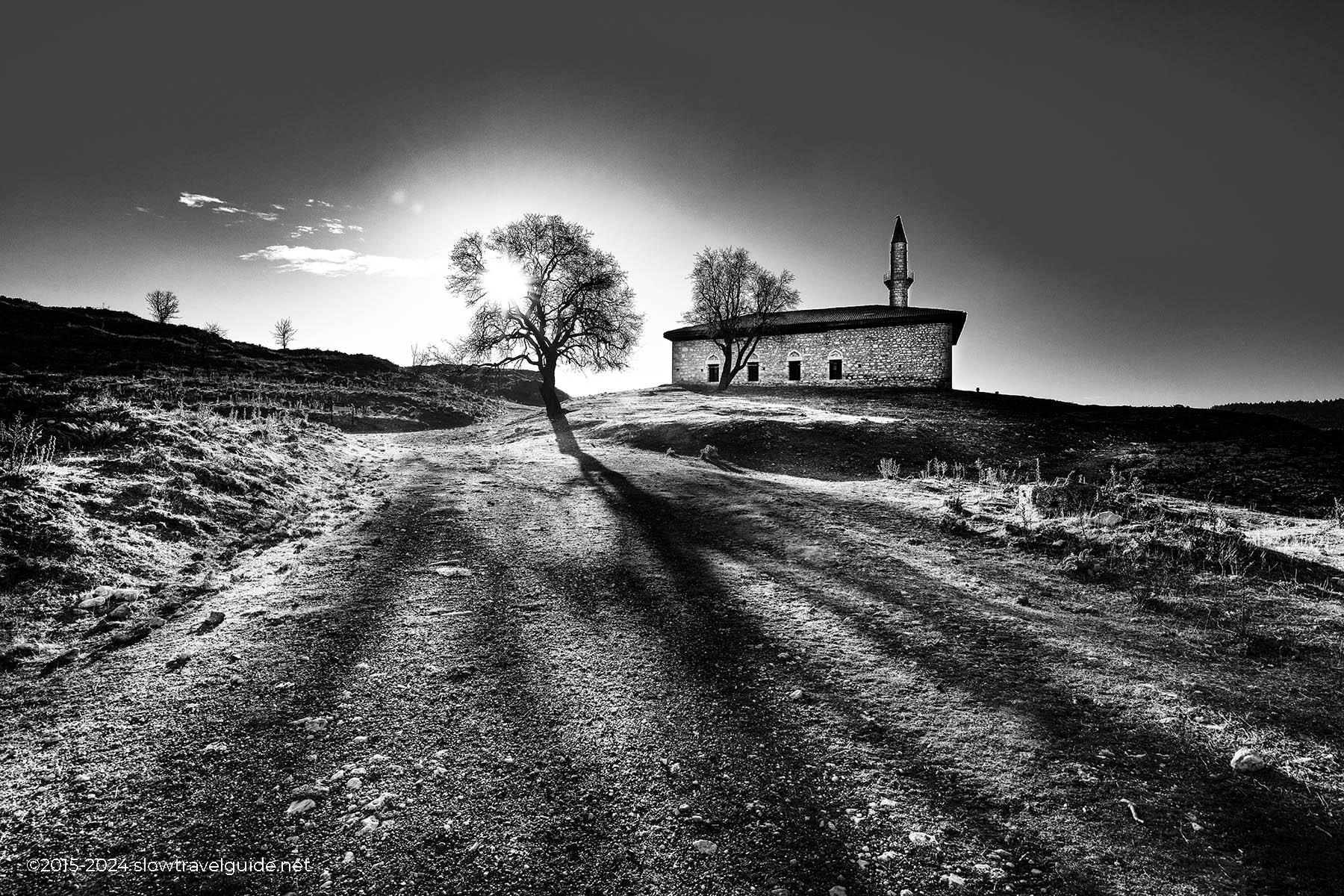
Cevher Paşa Mosque In Black And White
© 2016-2022 All rights reserved by slowtravelguide.net.
The content of this website is copyright protected and the property of slowtravelguide.net.No part of this website may be reproduced in whole or in part in any manner without the written permission of the copyright owner.
Copyright ©2016-2022 Tüm hakları saklıdır. Bu (slowtravelguide.net.) web sitesinin içeriği koruma altındadır ve slowtravelguide.net.Buradaki hiçbir içerik (yazı,fotoğraf,video vb.) izinsiz olarak kopyalanamaz, alıntı yapılamaz,başka yerde yayınlanamaz.