
NYSA
By Slowtravelguide
ANCIENT SITE TURNED OLIVE GROVE
It is only fitting that Nysa on the Maeander be included in the list of unappreciated locations. Situated about 50 km away from Ephesus, it would be a simple addition to a schedule that includes other treasures like Pamukkale and Hierapolis, as well as Magnesia on the Maeander, Tripolis, and Laodicea. However, we are all aware of priorities and the fact that a person can only accomplish so much in a given period of time.
Choosing from among Turkey’s almost 18,000 protected archaeological sites will be necessary. (And no, that isn’t a typo; it is almost eighteen thousand!) Nysa is a beautiful destination to explore, so if you’re the type of person who prefers to go slowly and enjoy delving deeper into certain regions, you should definitely consider stopping by. Take a stroll through this article with us.
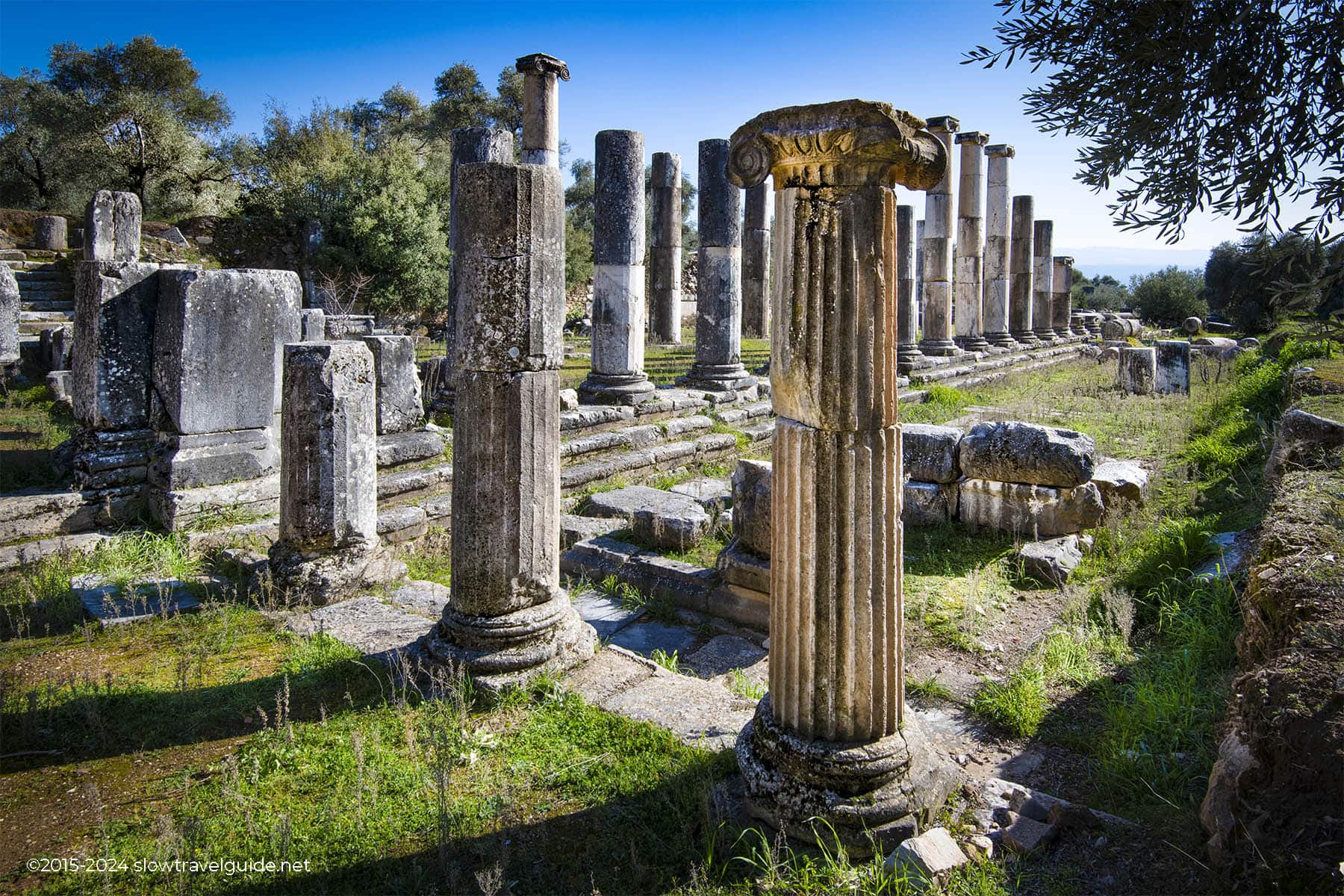
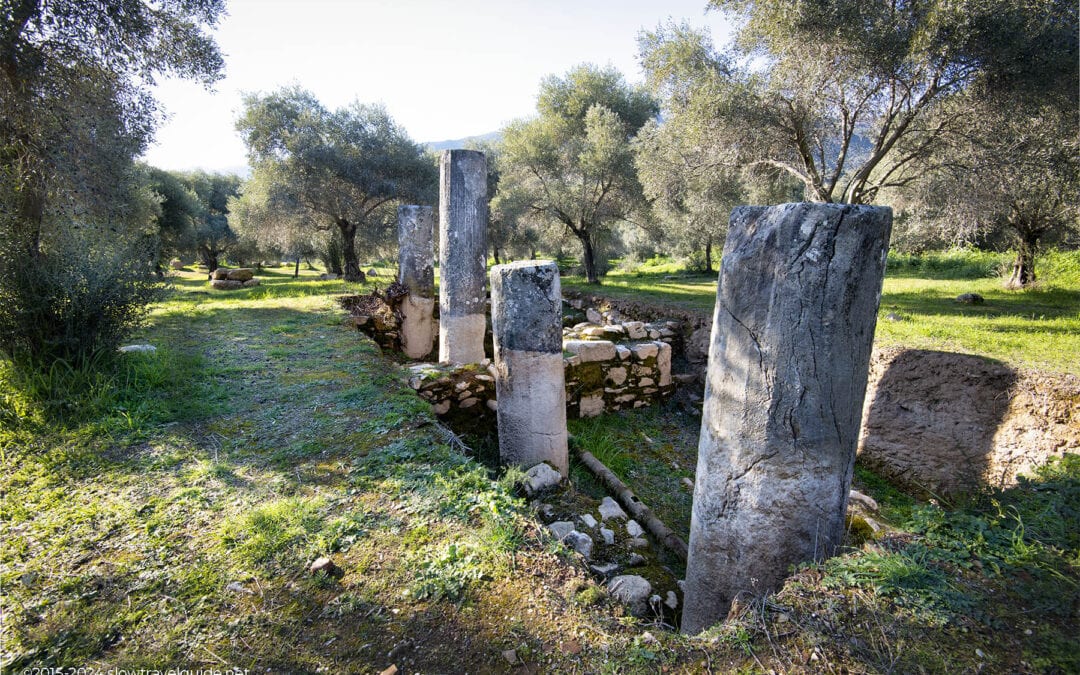
Columns Standing Proudly At The Agora
NYSA ON THE MAEANDER IN HISTORY
During the Hellenistic Era, in the third century BC, Nysa was founded. Situated in the bountiful northern Meander Valley, it held a pivotal role as the transit centre connecting Central Anatolia with the cities of Caria and Ionia. Originally called Athymbria, Nysa rose to prominence as a prominent town with a thriving cultural hub very fast. The name of one of Antiochus I Soter’s wives is the source of the city’s name. Antiochus I Soter founded the city and ruled it from 281 to 261 BC. The most well-known geographer of antiquity, Strabo, studied in Nysa and referred to it as a “double-city” because of a swift-moving river that split it in half.
People relocated from Nysa to the nearby contemporary town of Sultanhisar, which is located south of the city, when Nysa was abandoned in the fifteenth century. Archaeological digs have essentially revealed structures and artefacts from the Late Roman, Byzantine, and Roman eras. Most of the Hellenistic remnants of the city, according to researchers, are still concealed beneath the Roman and Byzantine layers. Taking a stroll around the location exposes some amazing constructions.
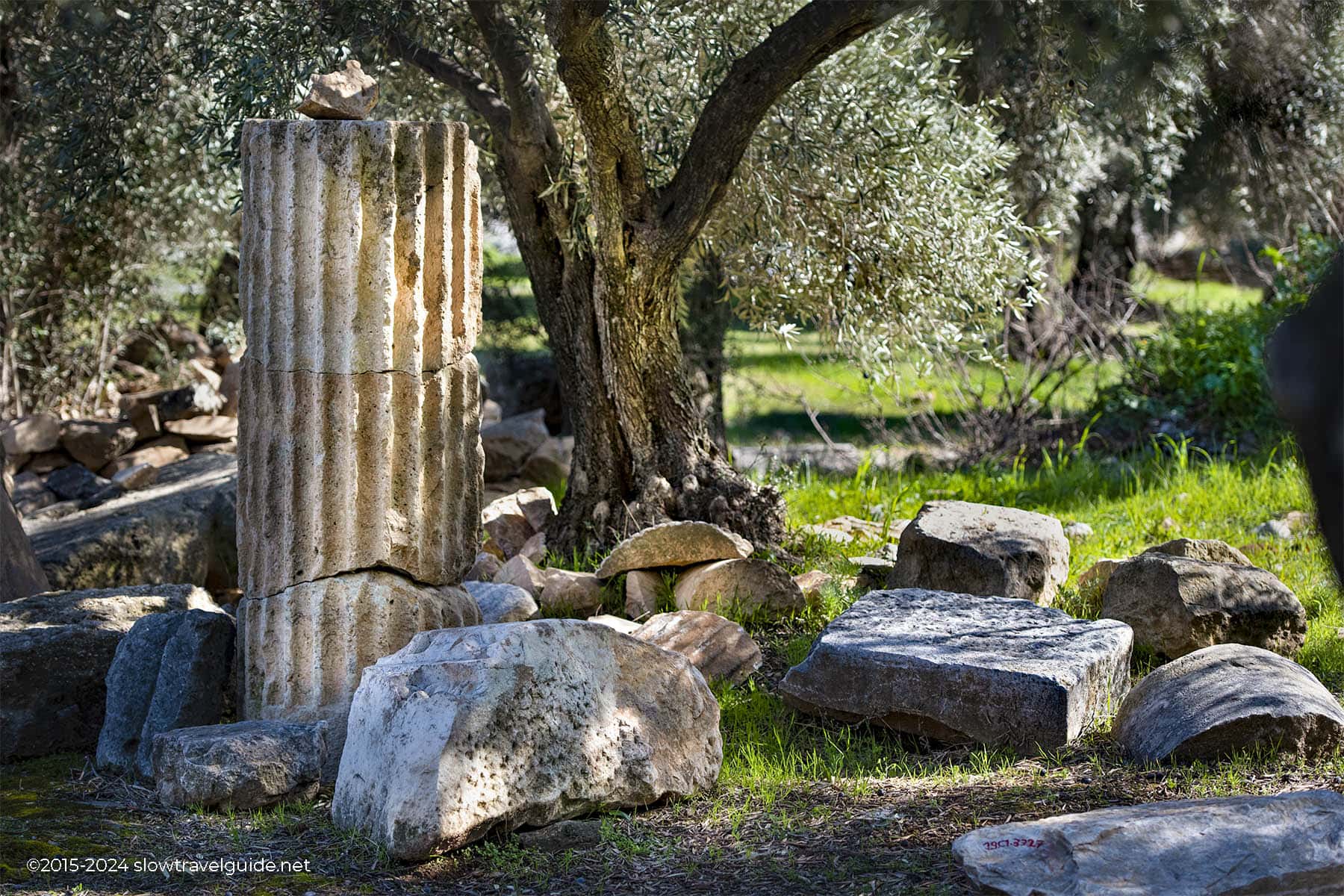
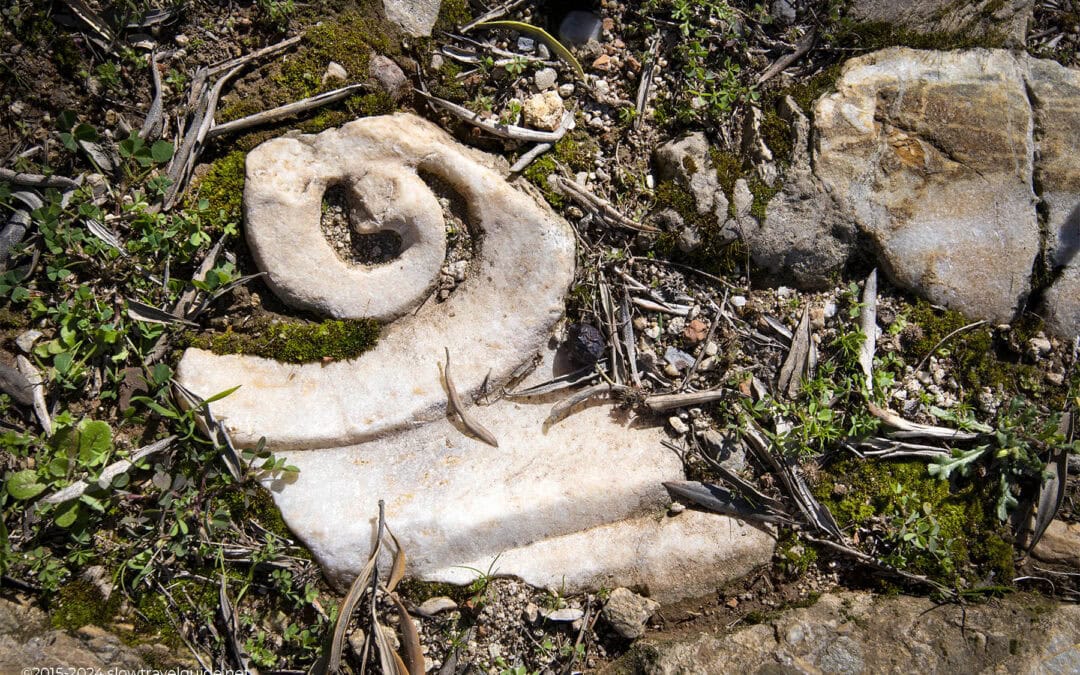
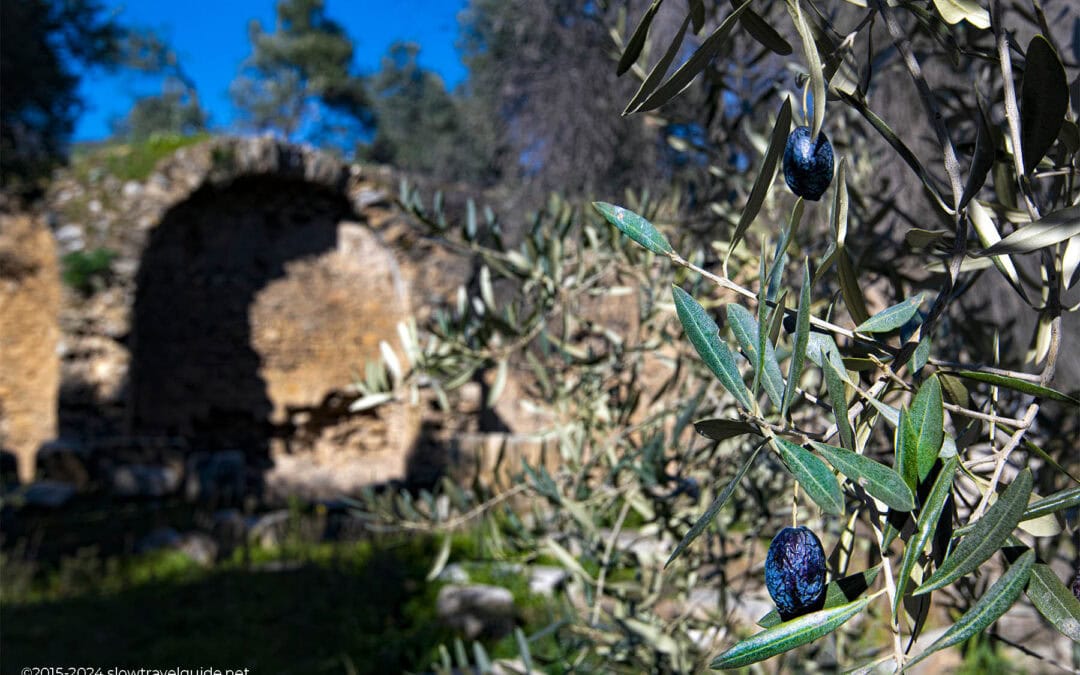
Beautiful Still Life Capturing The Vibe Of This Site
THE THEATRE
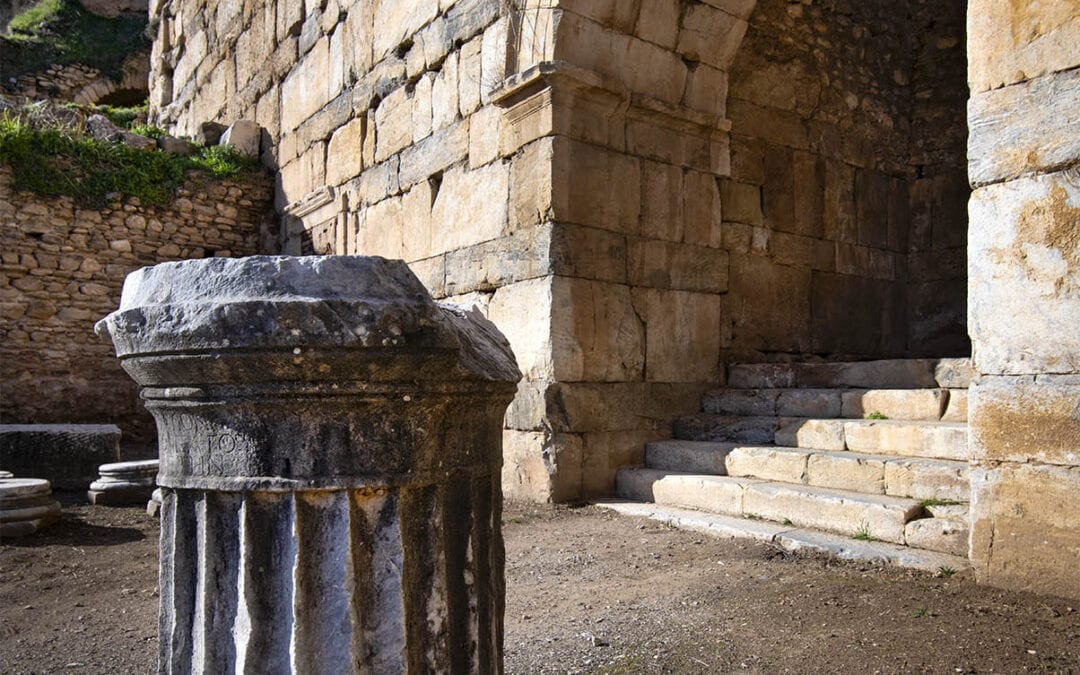
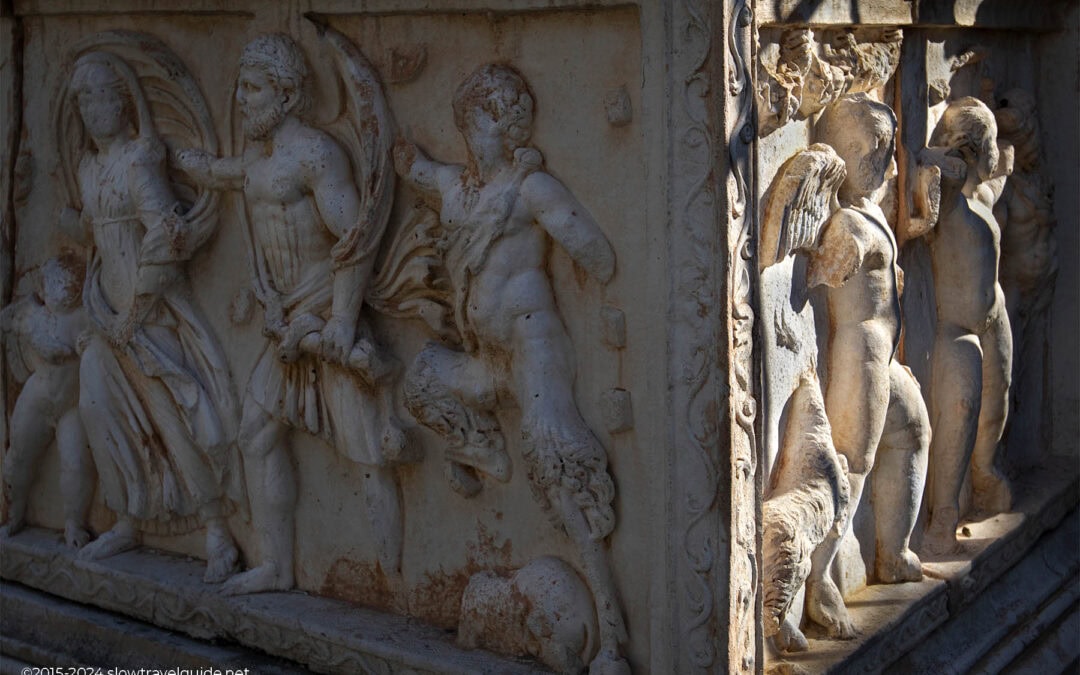
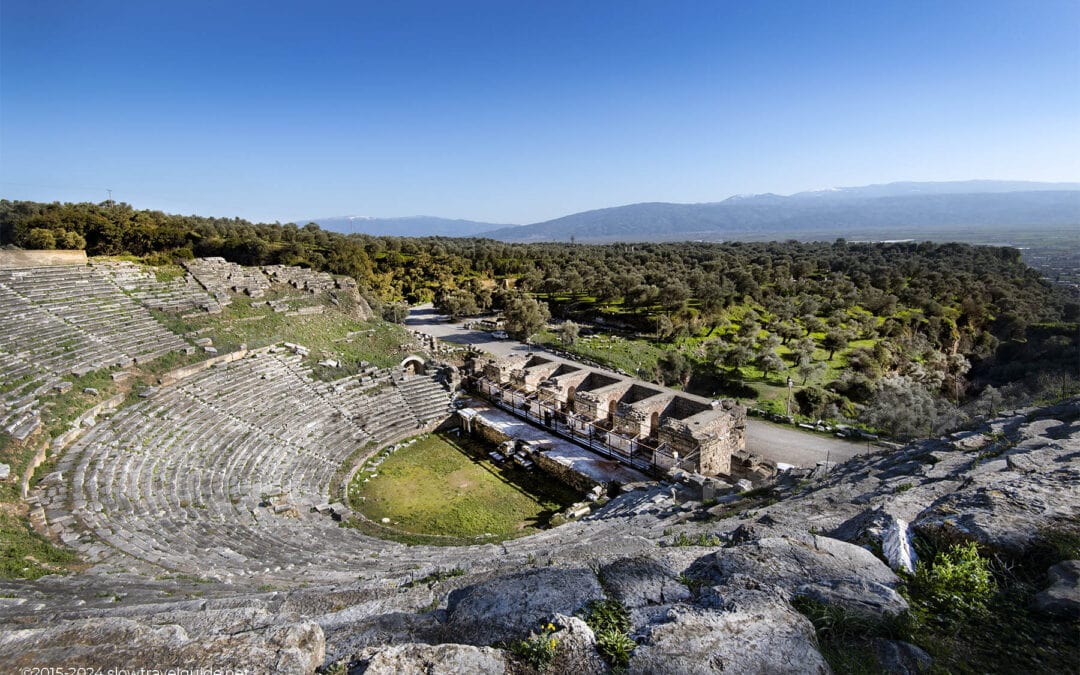
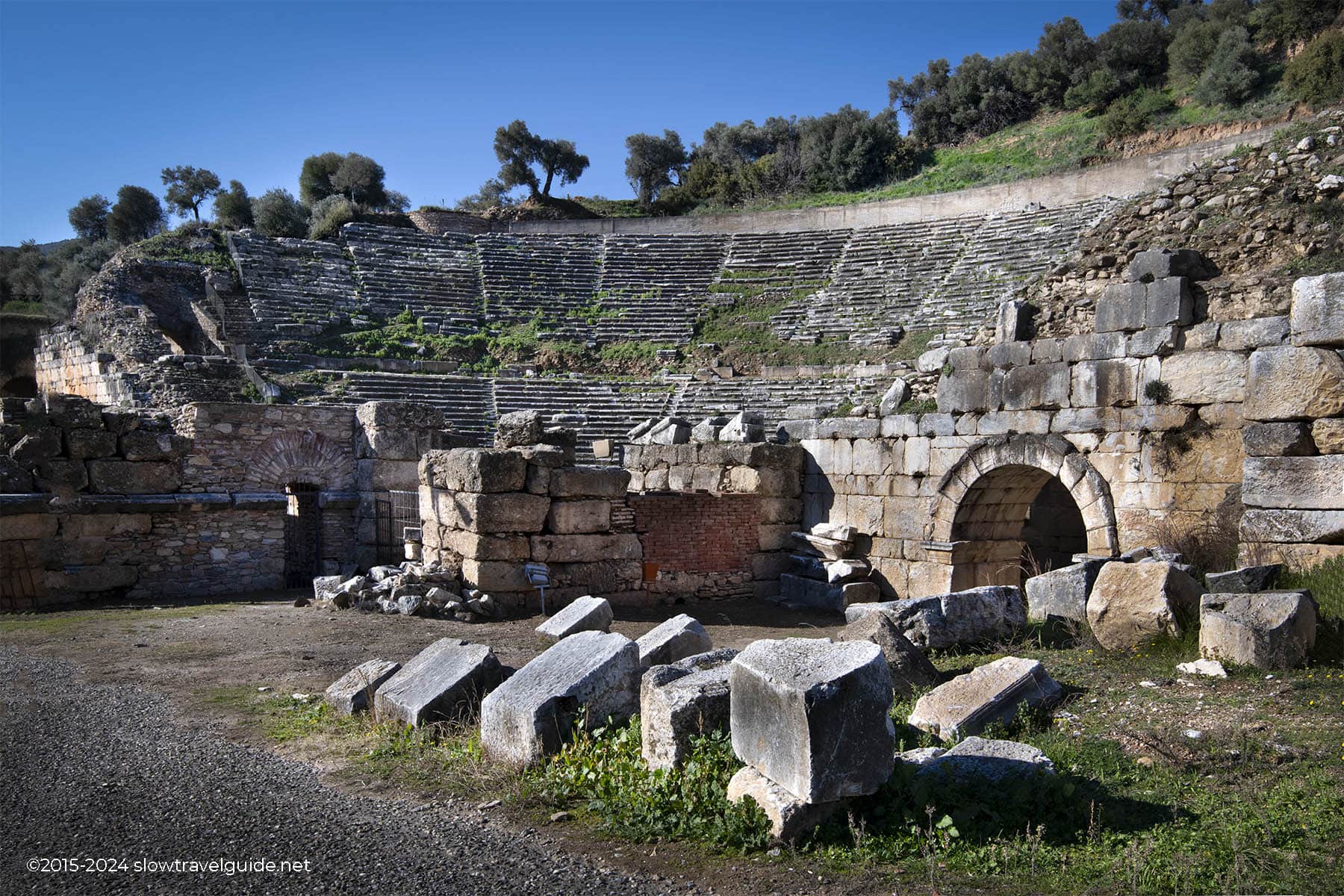
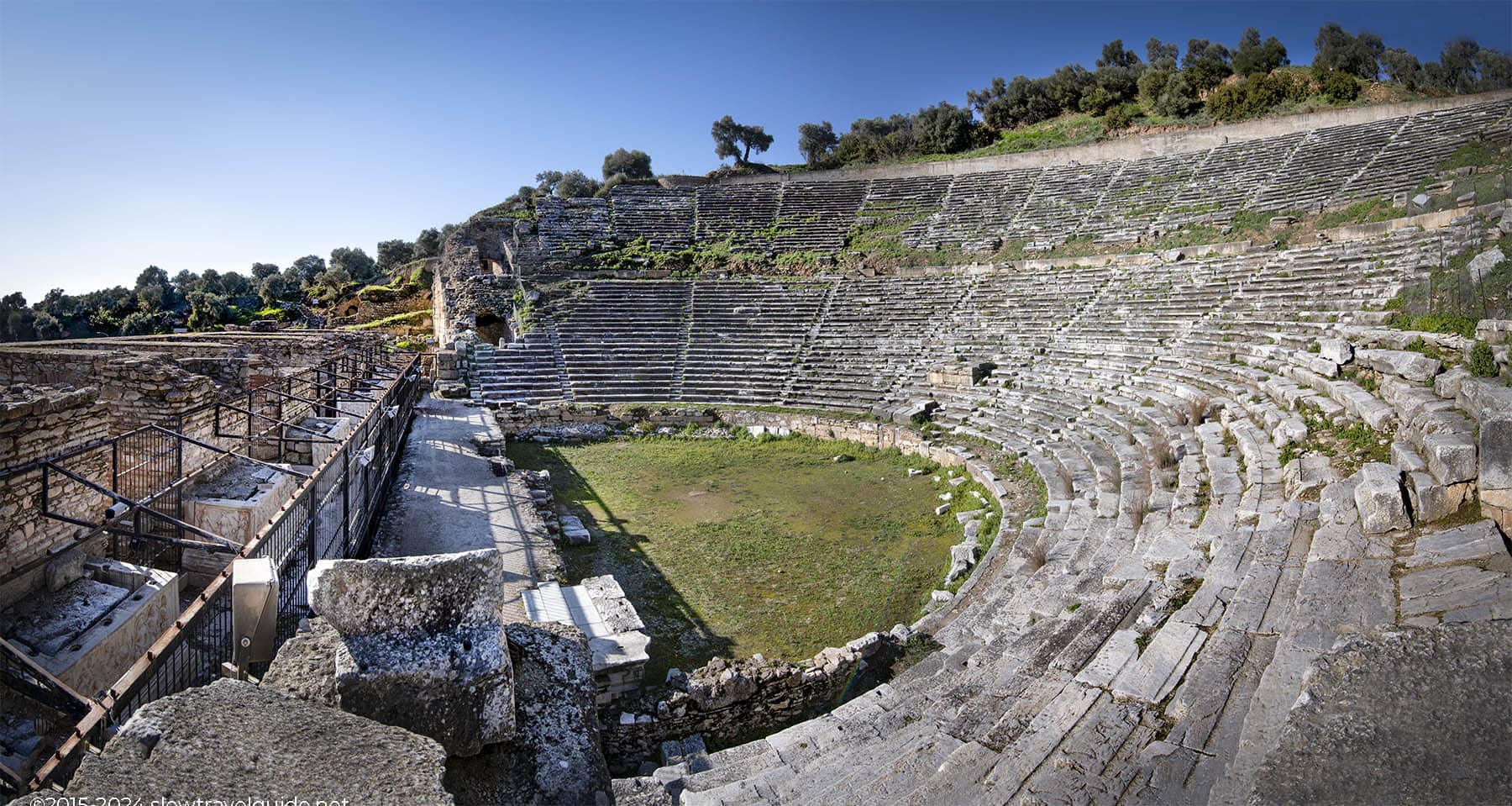
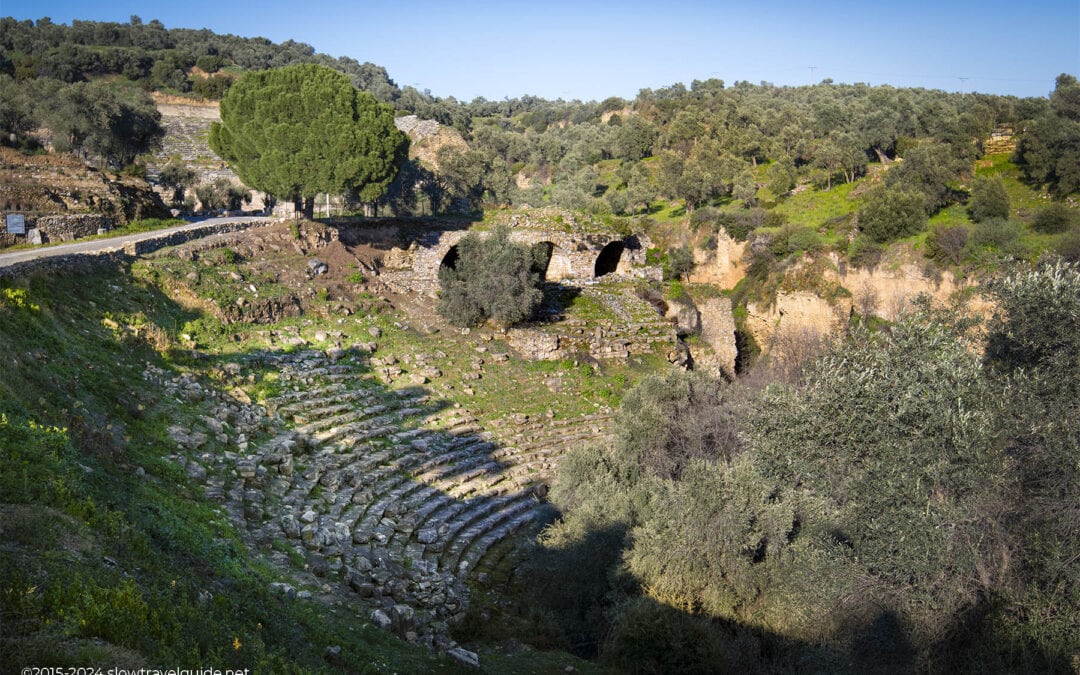
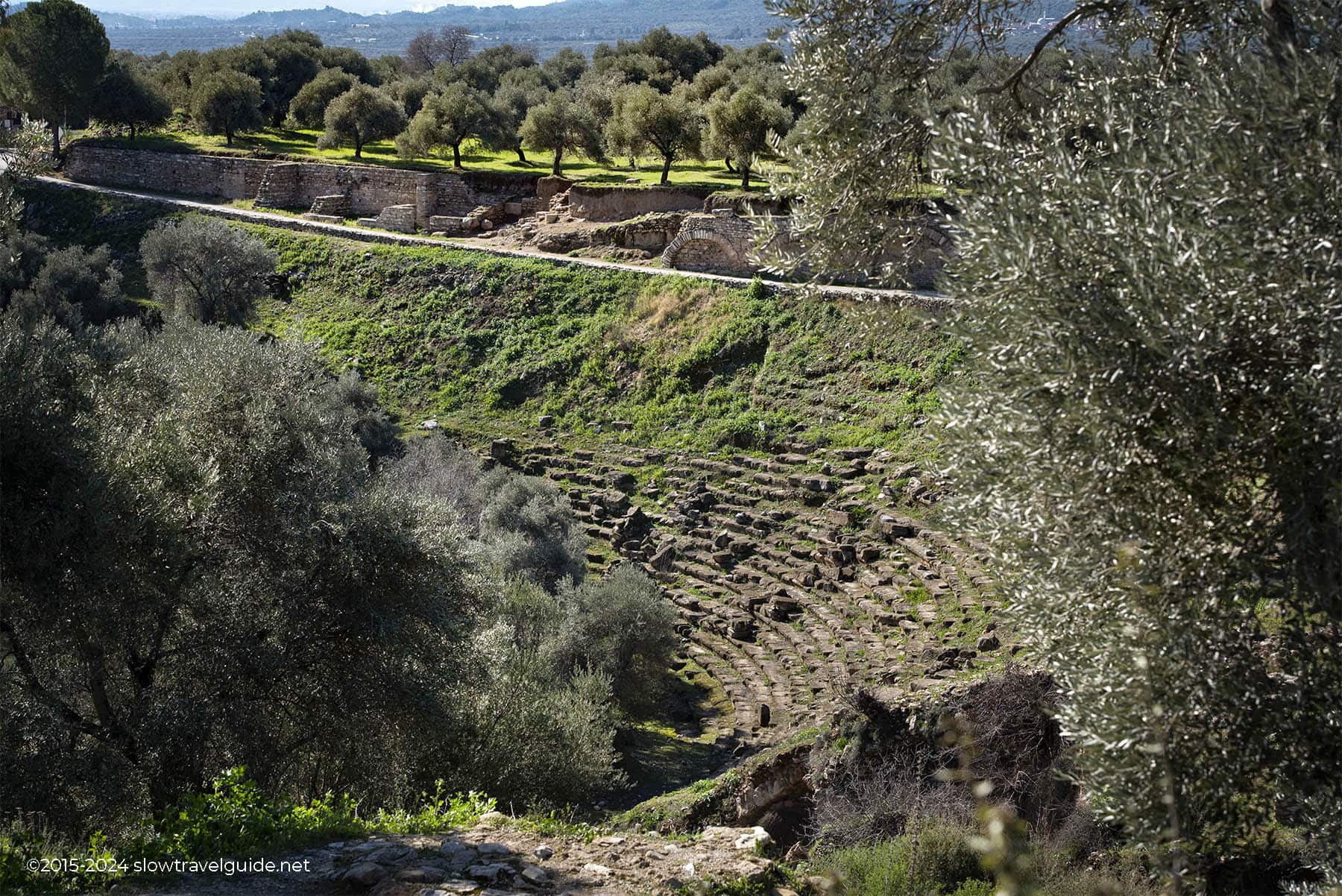
The Theatre, measuring 73 by 99 metres, is among Nysa’s best-preserved structures. The Cavea, or auditorium, was probably constructed in the latter part of the first century BC, whereas the elaborate decorations and two-story stage construction were added between 120 and 40 AD. The Hadrianic stage building was devastated by an earthquake and rebuilt as a three-story marvel. The theatres at Perge and Side and Nysa share a great deal of resemblance. Certain frieze sculptures from the podium, including the one showing Dionysos’ life or the union of Pluton and Kore, were discovered to be in their original positions.
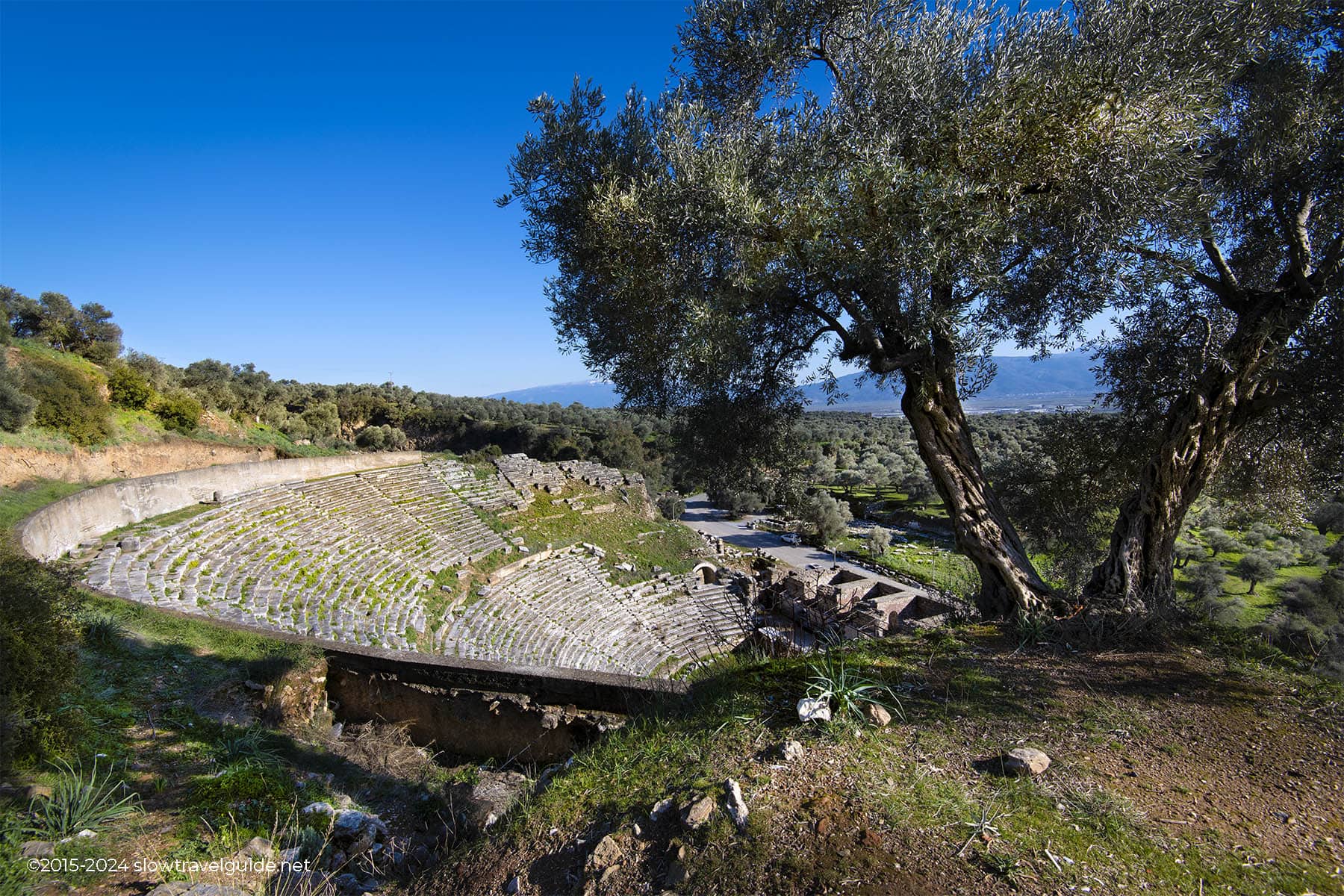
The Theatre At Nysa
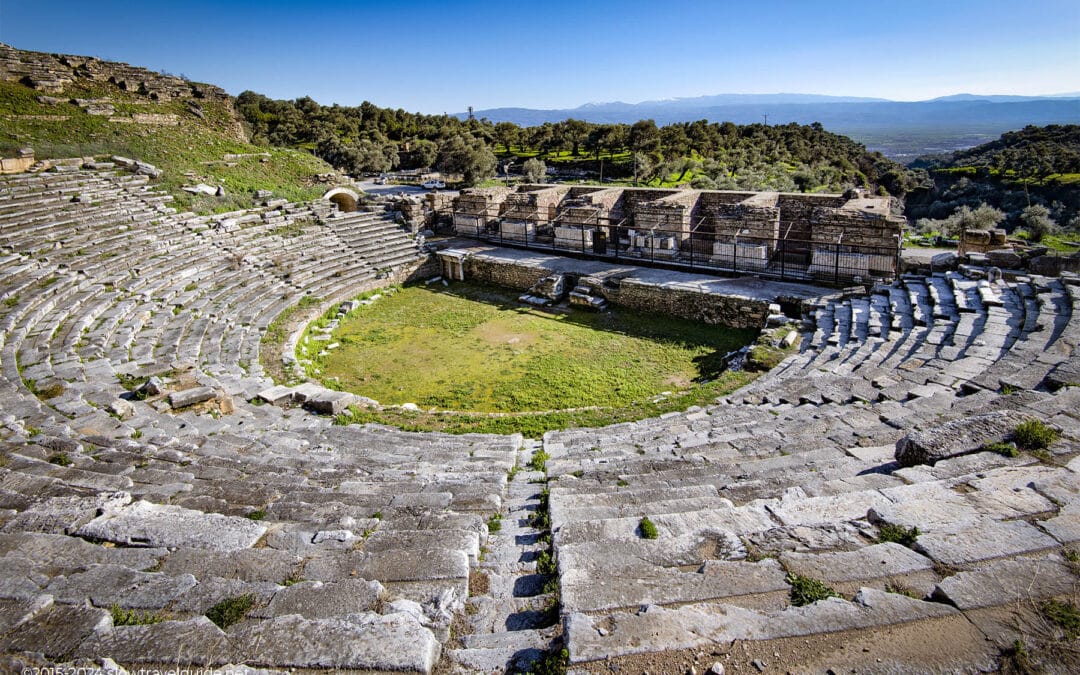
Theatre And What Remains Of The Stage Building
THE AGORA
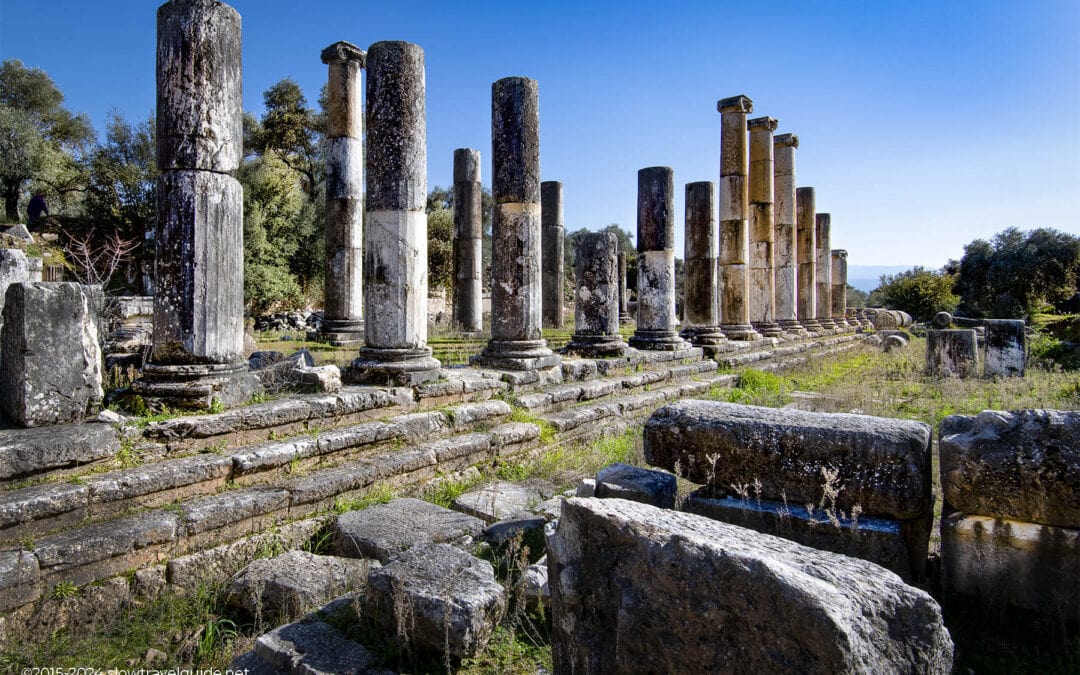
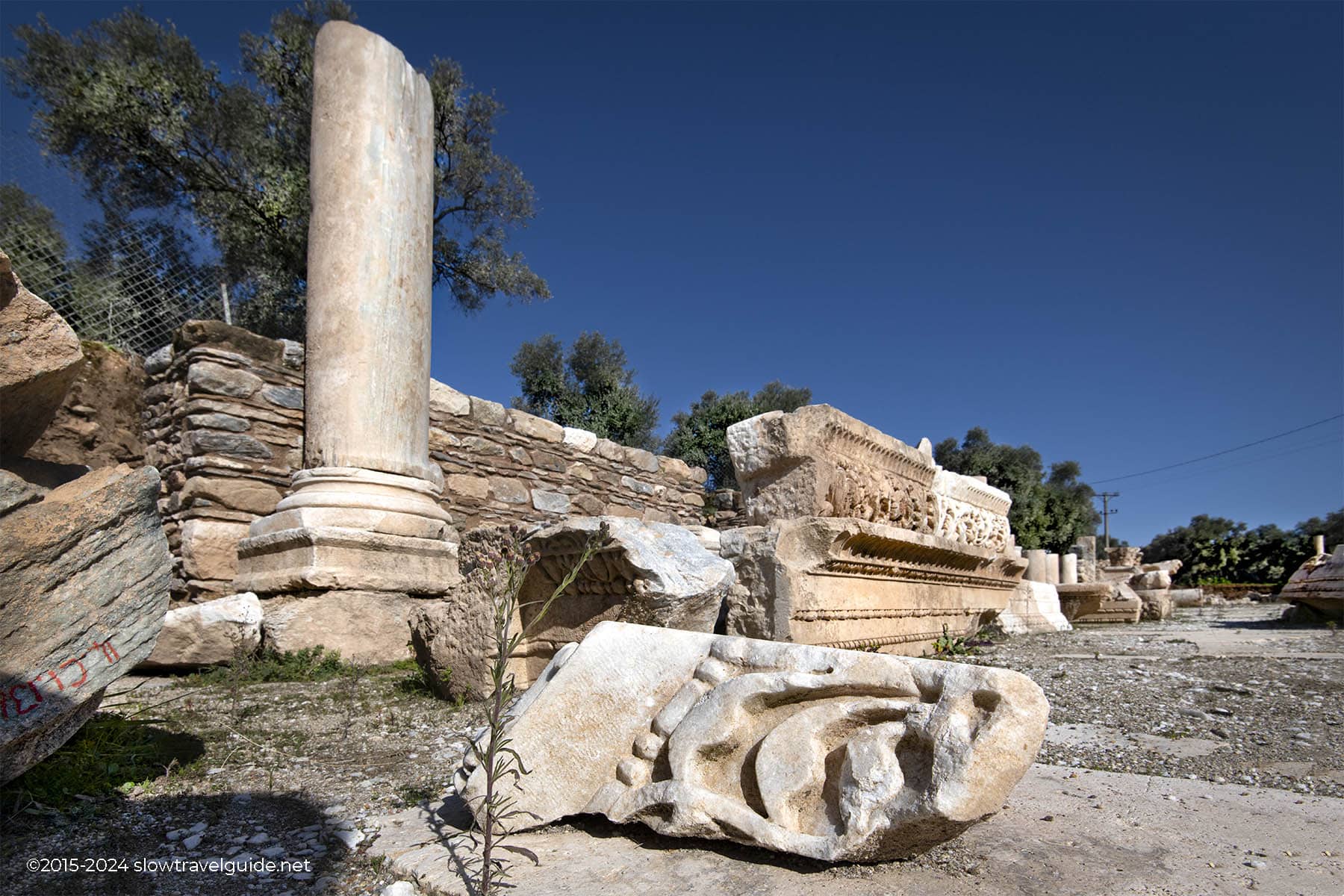
Nysa has a truly wonderful Agora! It brilliantly captures the atmosphere of this old location, not because much of it is still intact. Right now, the entire area is an olive grove where work is being done. It gives your visit a hint of magic. The twisted olive trees blend in perfectly with the stately standing pillars! The enormous Agora was encircled on all four sides by a colonnaded portico and measured 113,5 metres east-west by 130 metres north-west. The Agora was constructed in the Late Hellenistic Era. On the north and east faces of the building, an Ionic double-colonnaded stoa surrounds it, while on the south and east faces a Doric single-colonnaded stoa.
Plenty Of Columns At The Agora, But Even More Olive Trees!
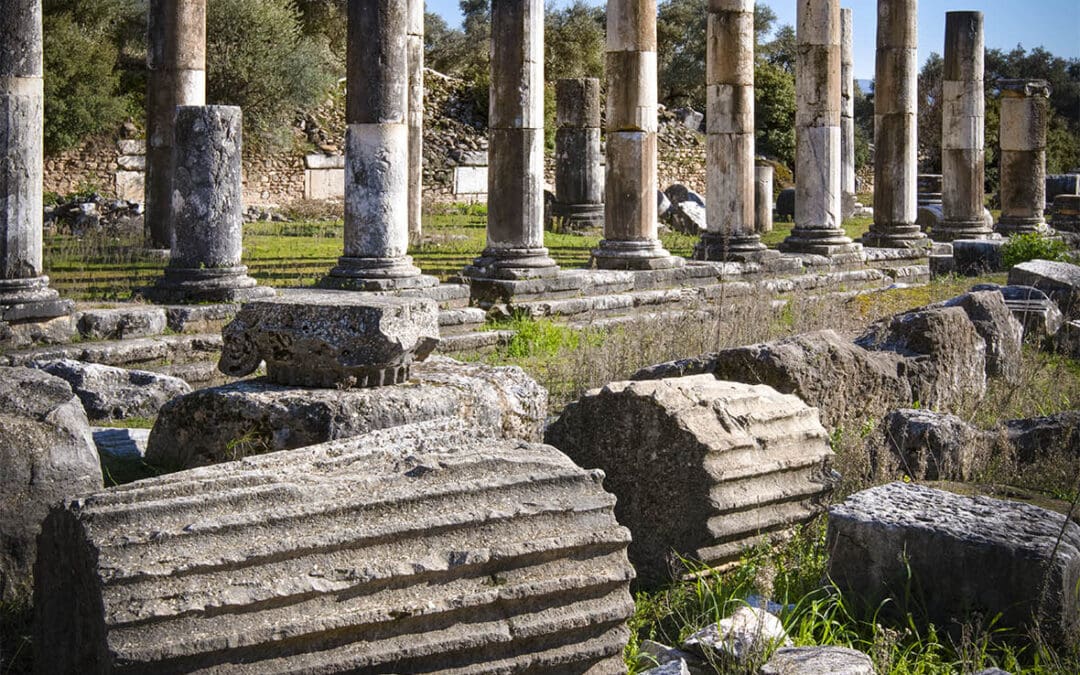
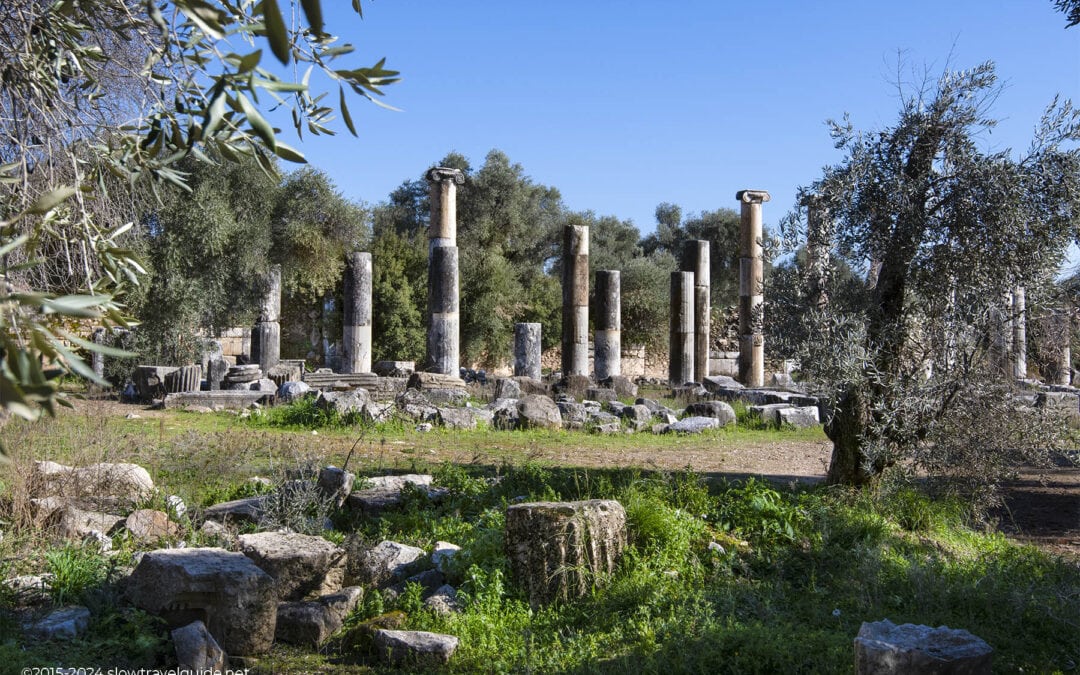
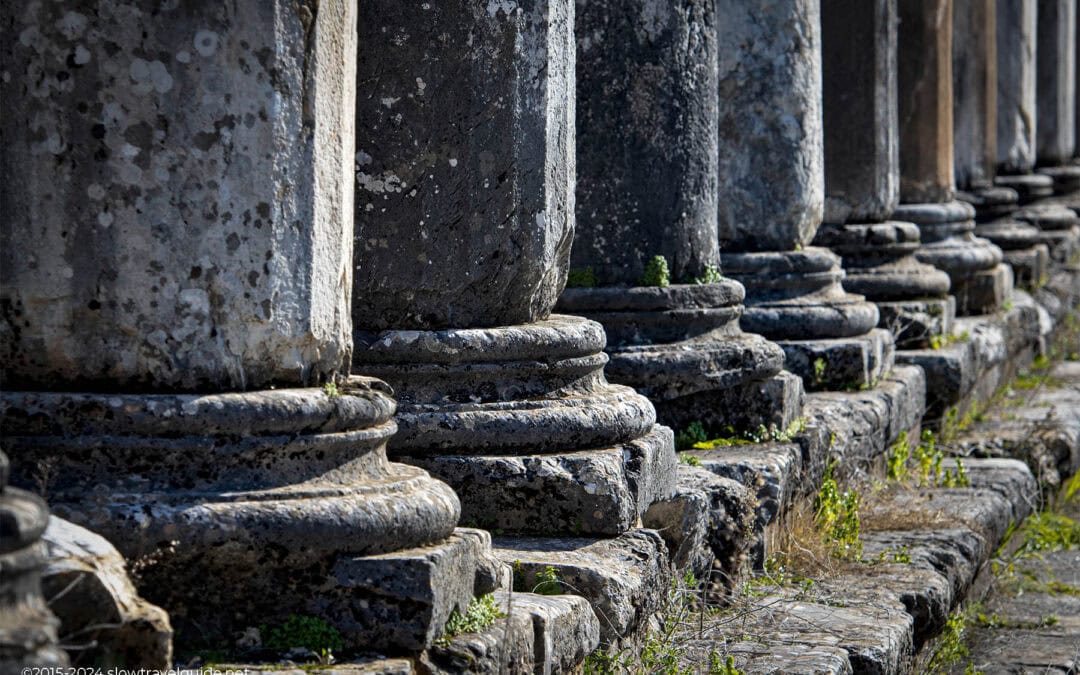
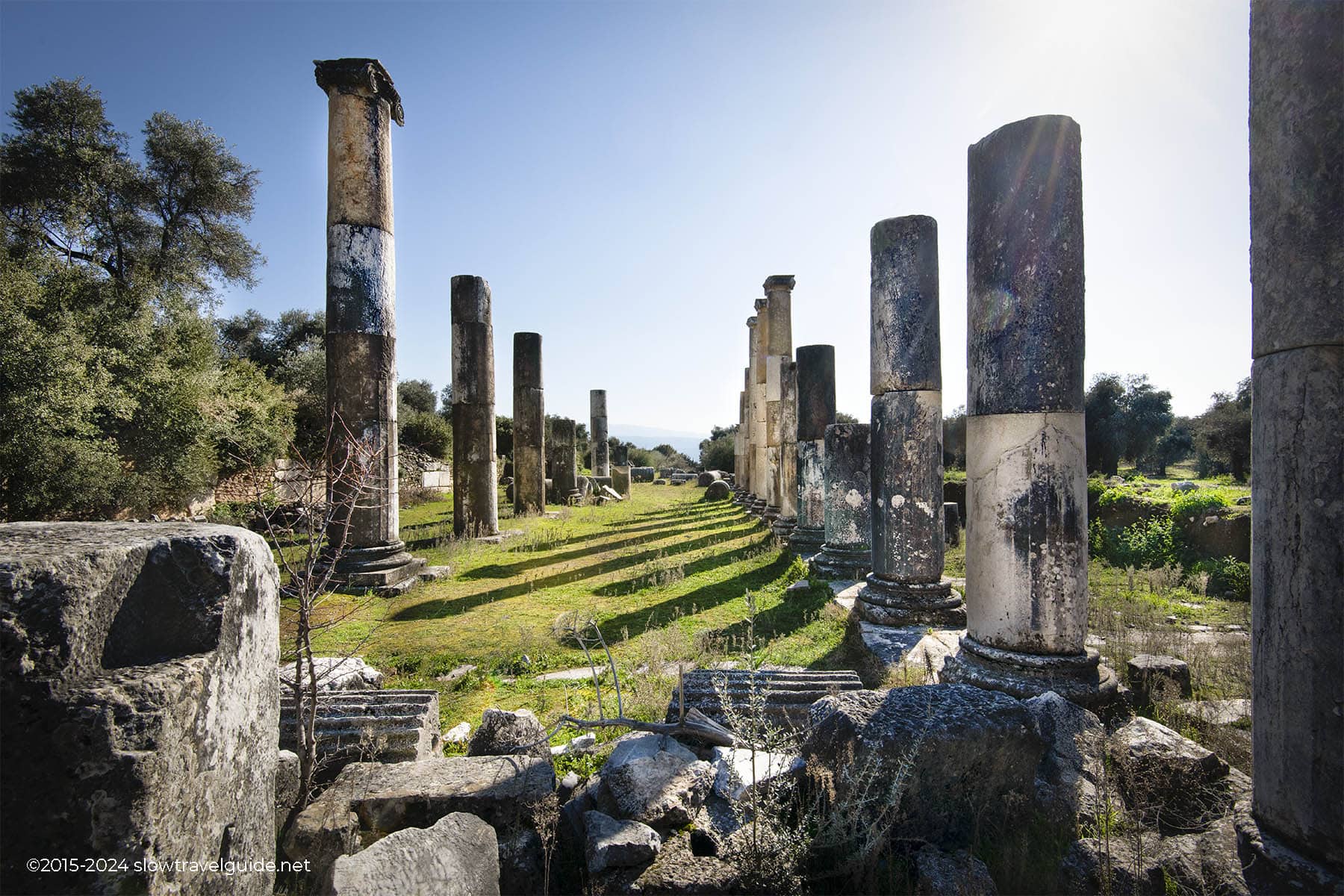
Symmetry Is Always A Winner!
THE GERONTIKON OR SENATE HOUSE
A Plateia, or main street, connected the Agora to the Gerontikon, or senate-house. The magnificent structure, accessible through a colossal gate, could accommodate seating for seven hundred individuals. The Gerontikon included a front courtyard with a two-story façade. The façade and courtyard have been reduced to rubble, but the Cavea, or sitting area, has survived very well.
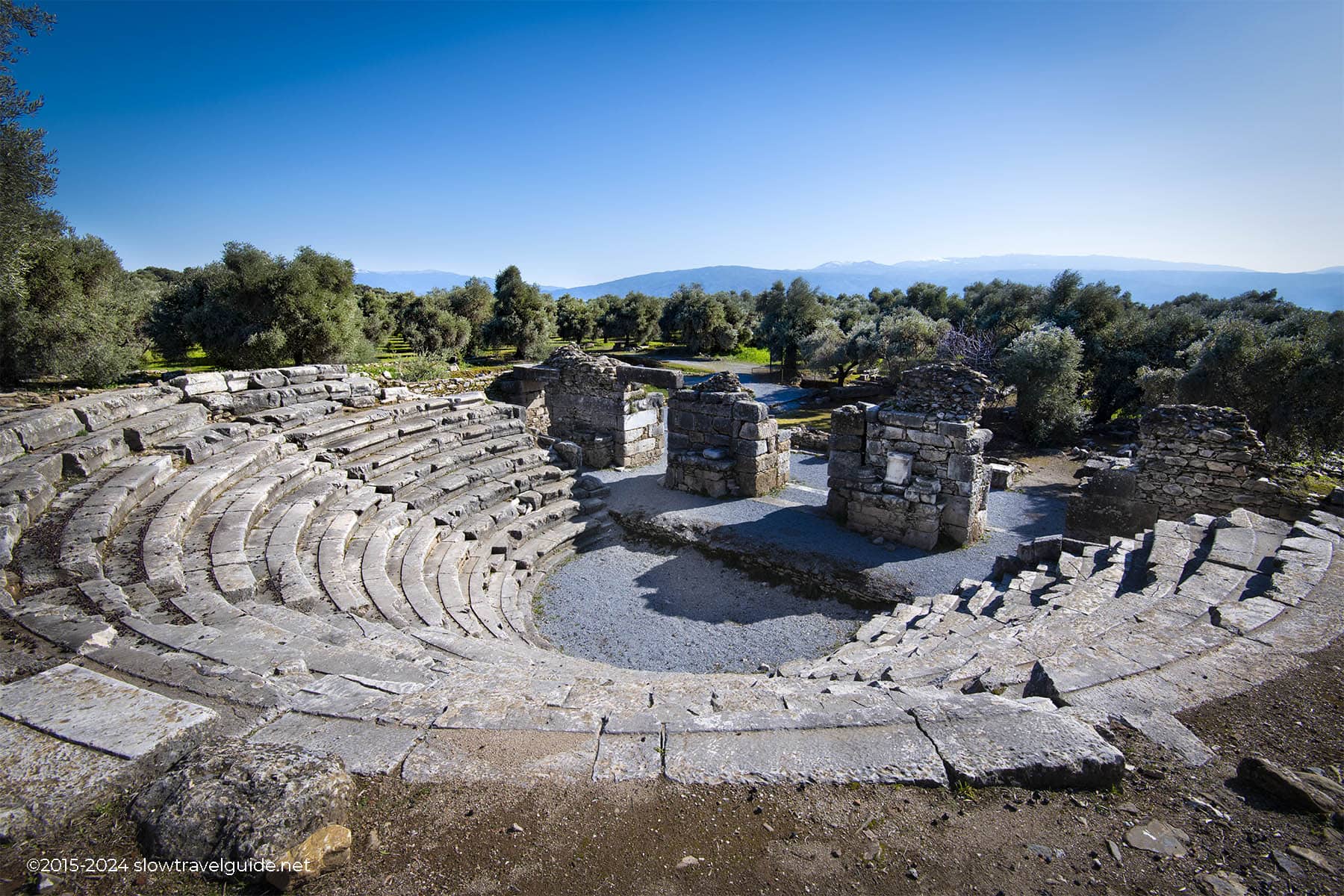
The Beautiful Gerontikon In Its Fabulous Setting
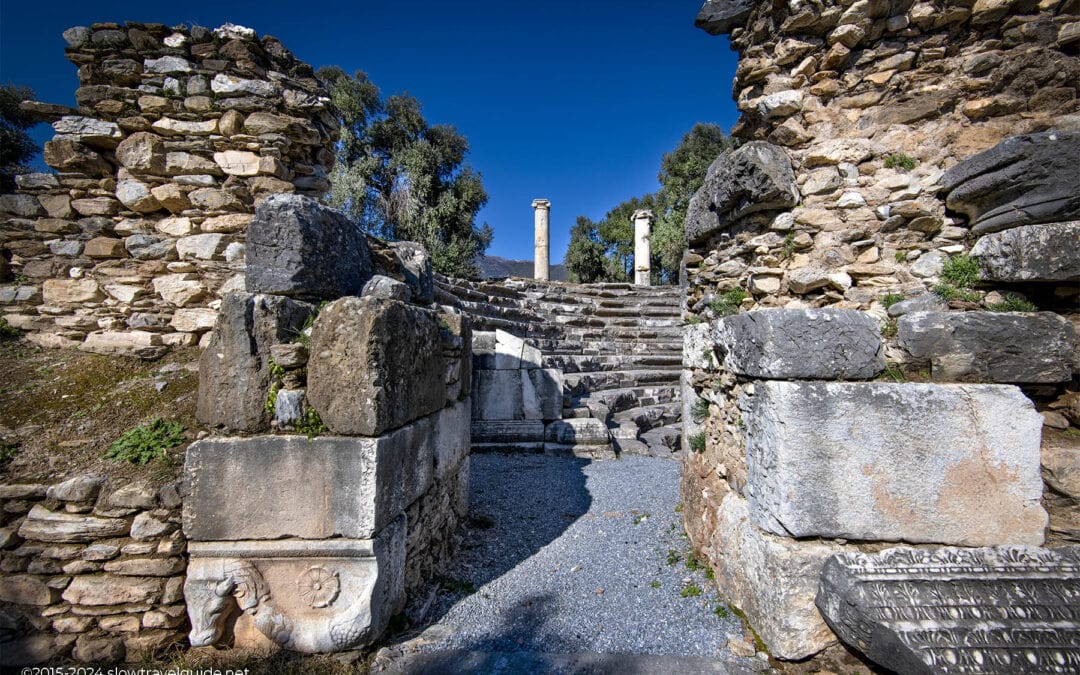
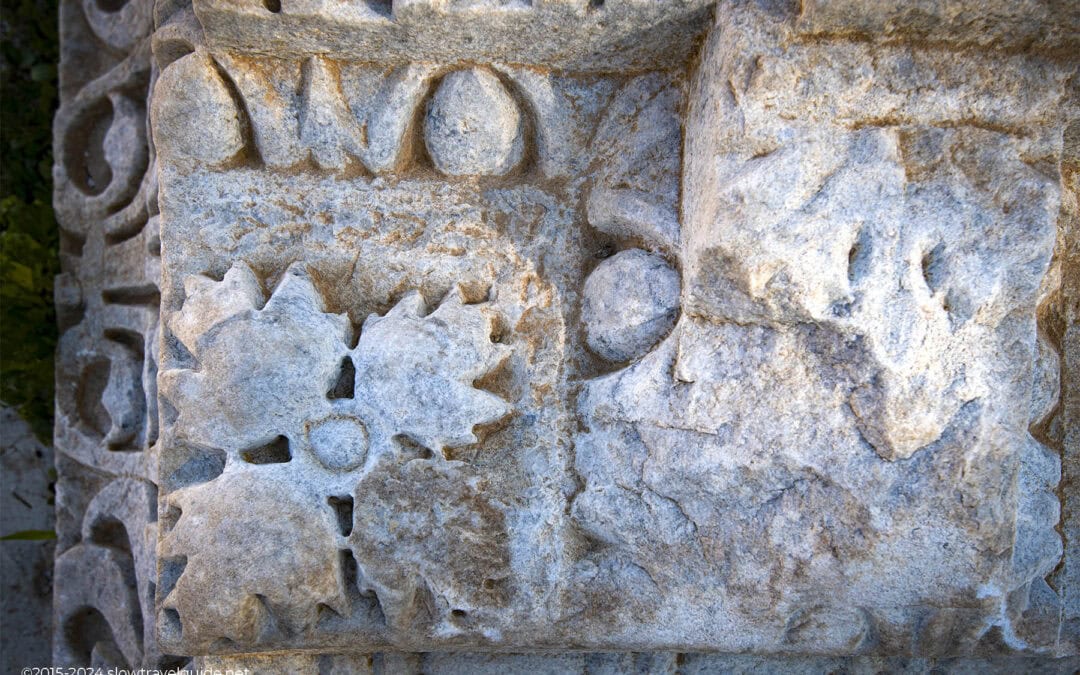
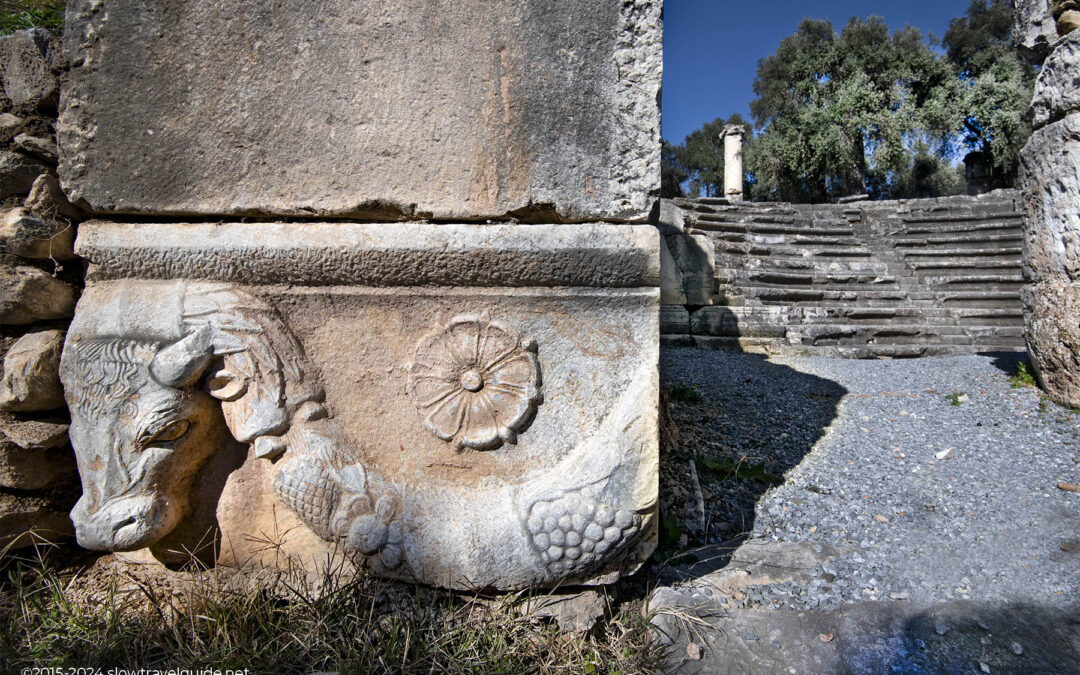
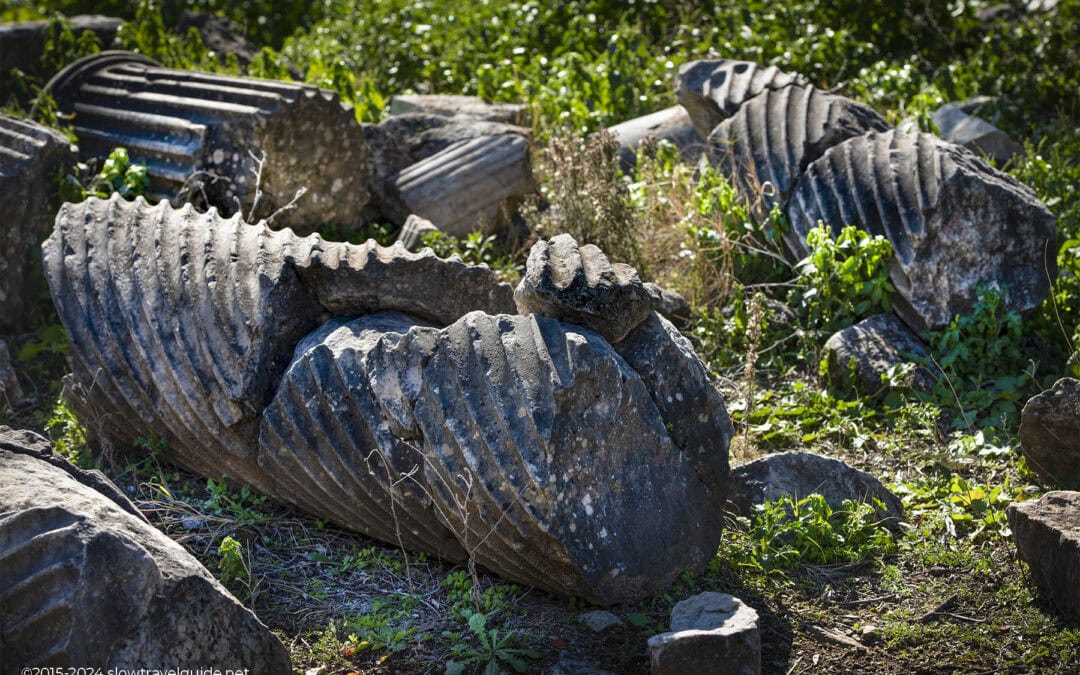
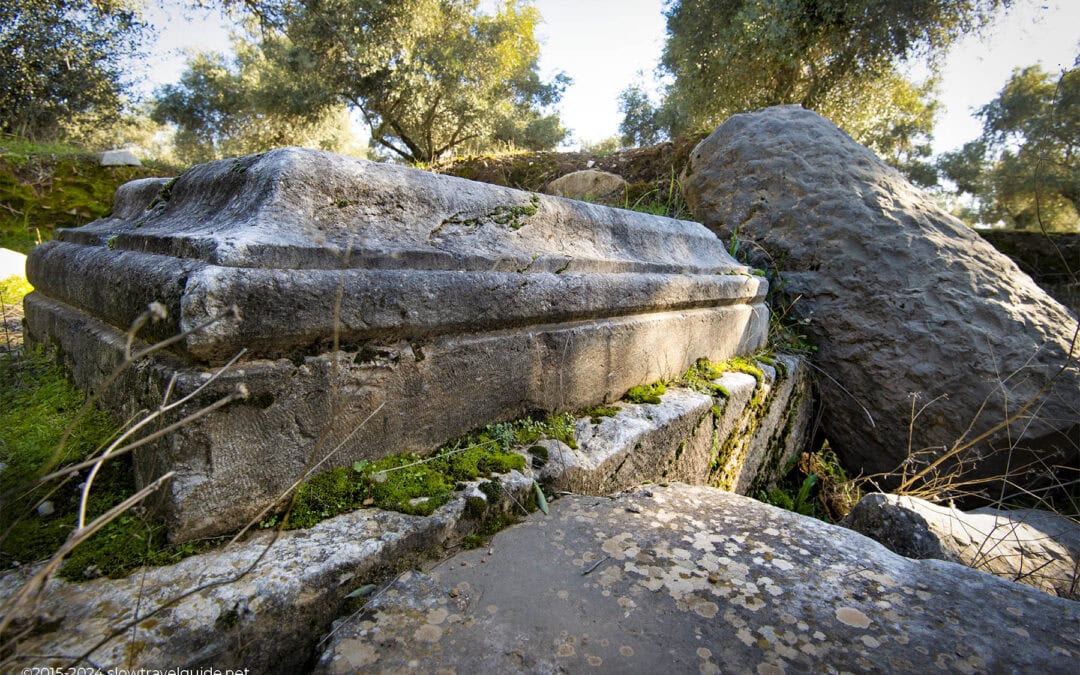
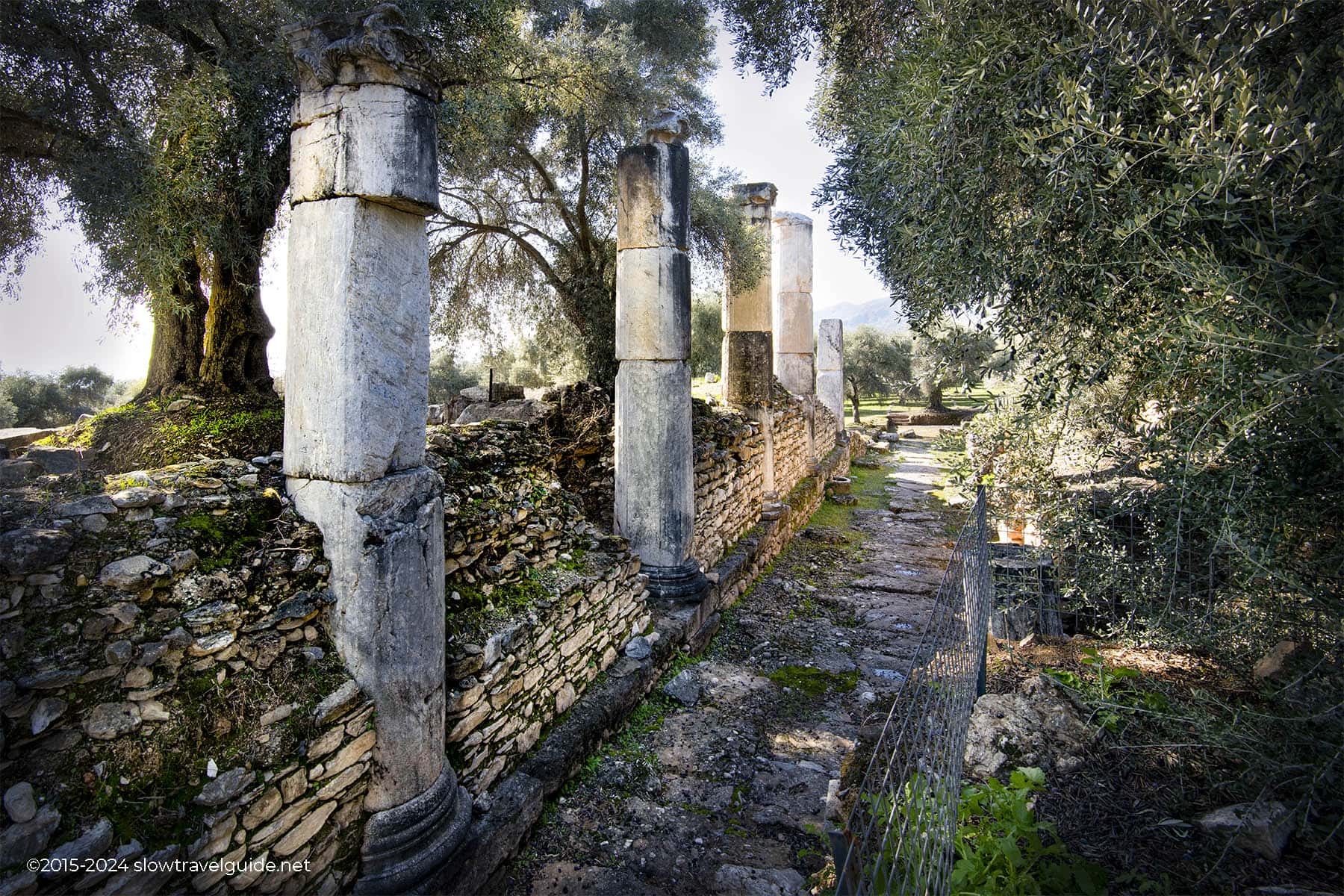
At The Back Of The Gerontikon
THE FORUM & COLONNADED STREET
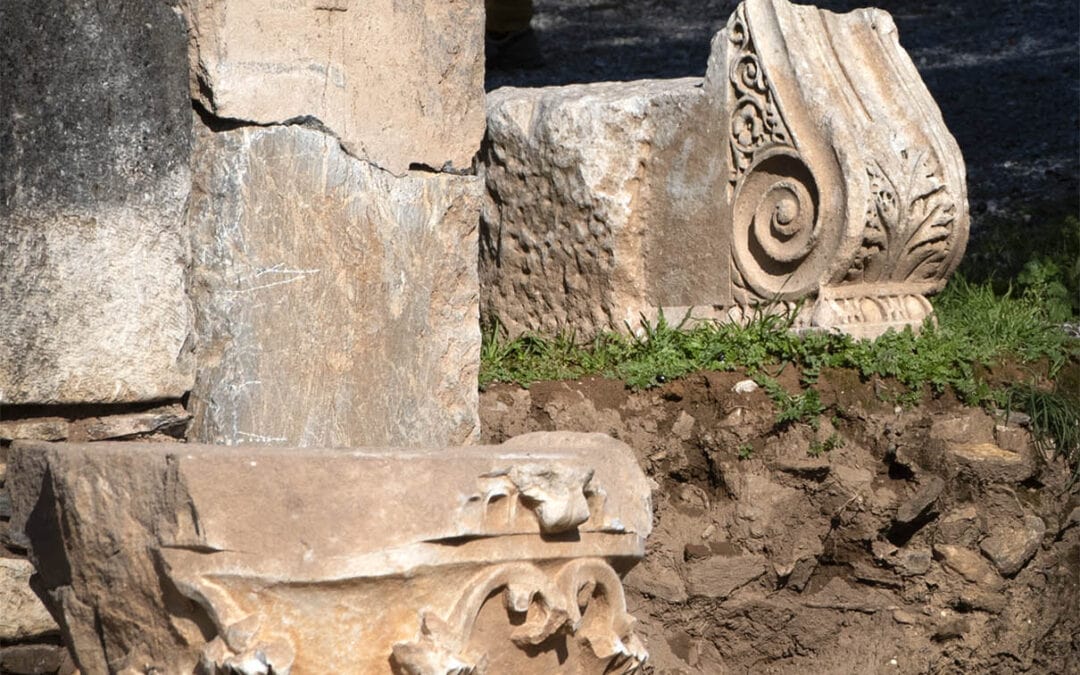
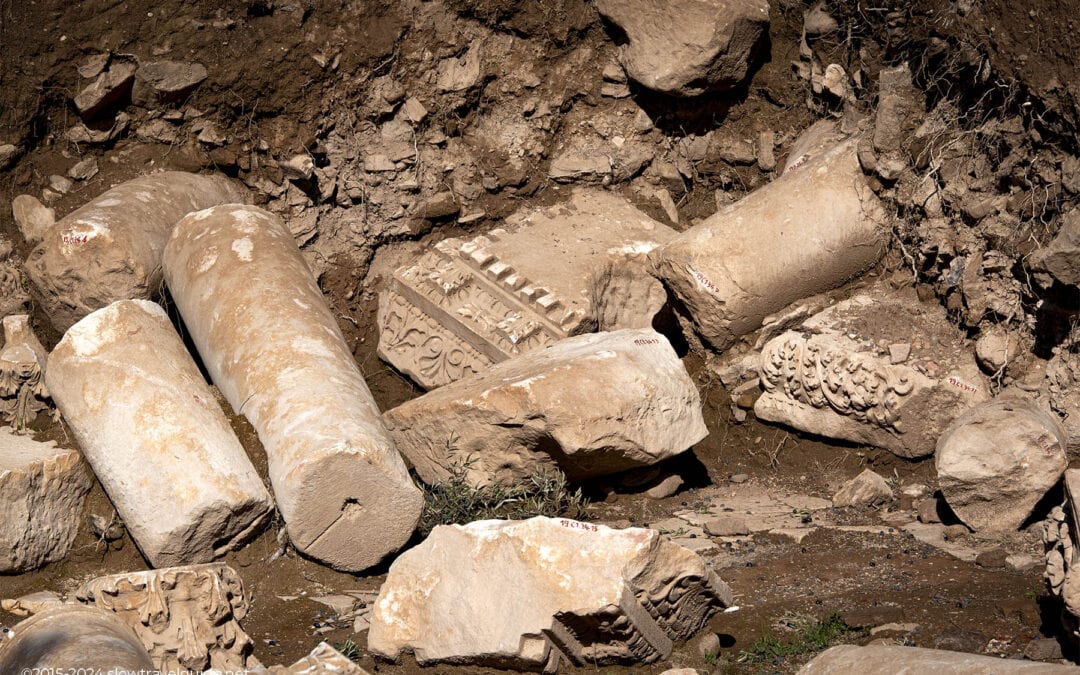
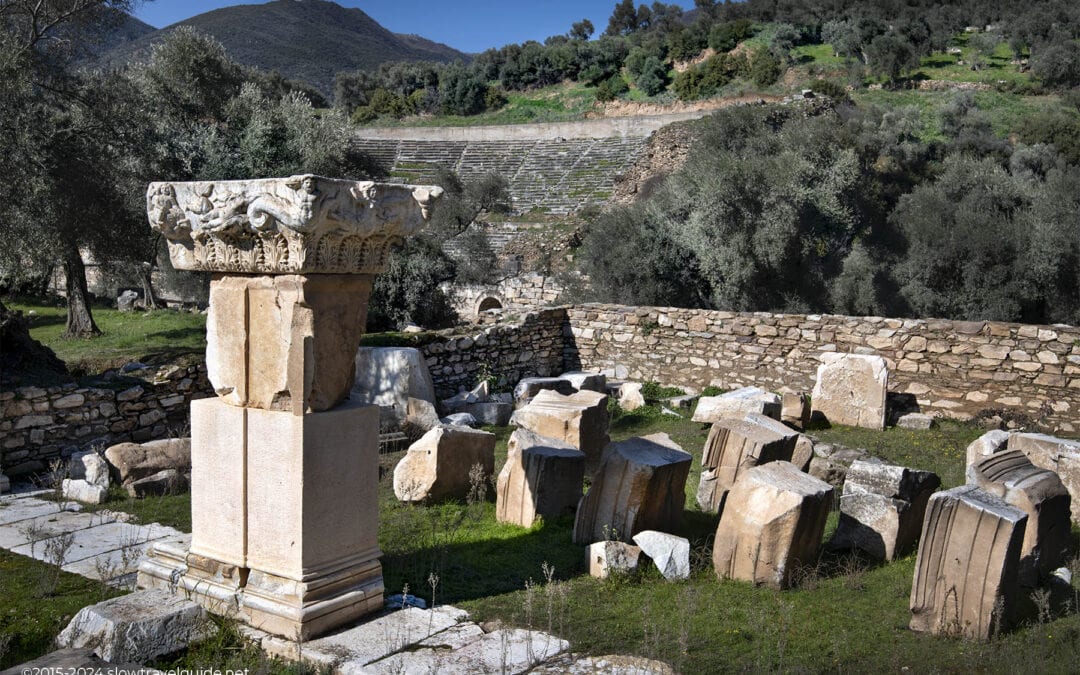
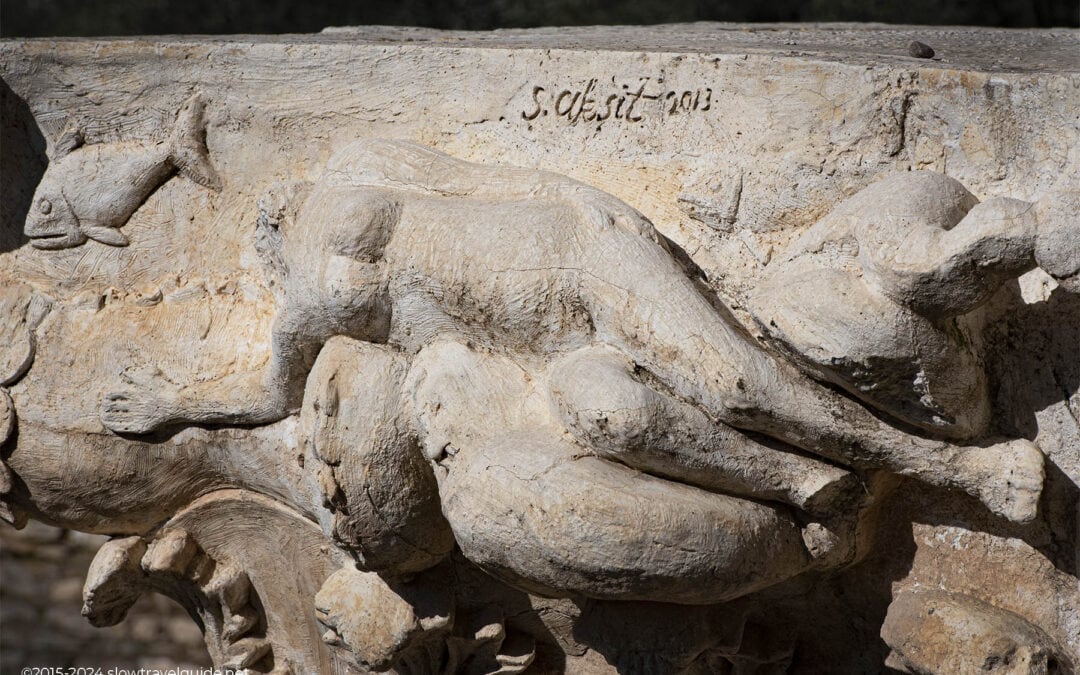
The Forum is close to the Colonnaded Street and the remnants of the Market Basilica. The ongoing excavations in this area appear to be quite promising. The present road that passes through the historic site was expanded in 1994, marking the discovery of the Basilica. This was a public space utilised for legal and business purposes. The 20 × 15 m rectangular, roofed hall was surrounded to the north by three arcades. The location of the law court was this. The 41 x 46 m Forum was encircled by 22 columns next to the Basilica. Every corner included an ornamental pool styled like an L.
The greatest street in Nysa and the hub of ceremonial life, a 9,5-meter-wide colonnaded limestone roadway, borders this portion.
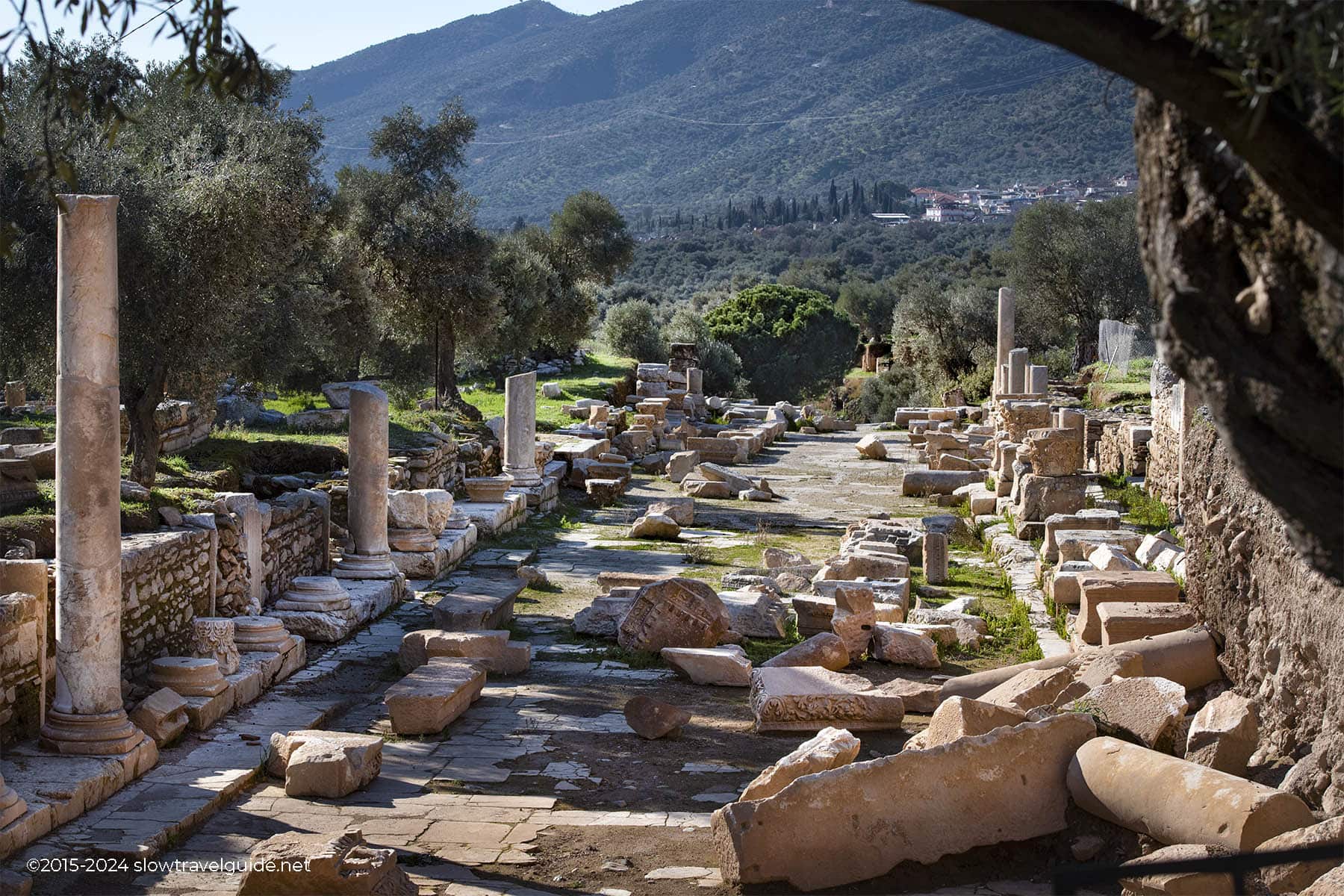
The Colonnaded Main Street Used To Be Connected To The Other Side Of The Gorge
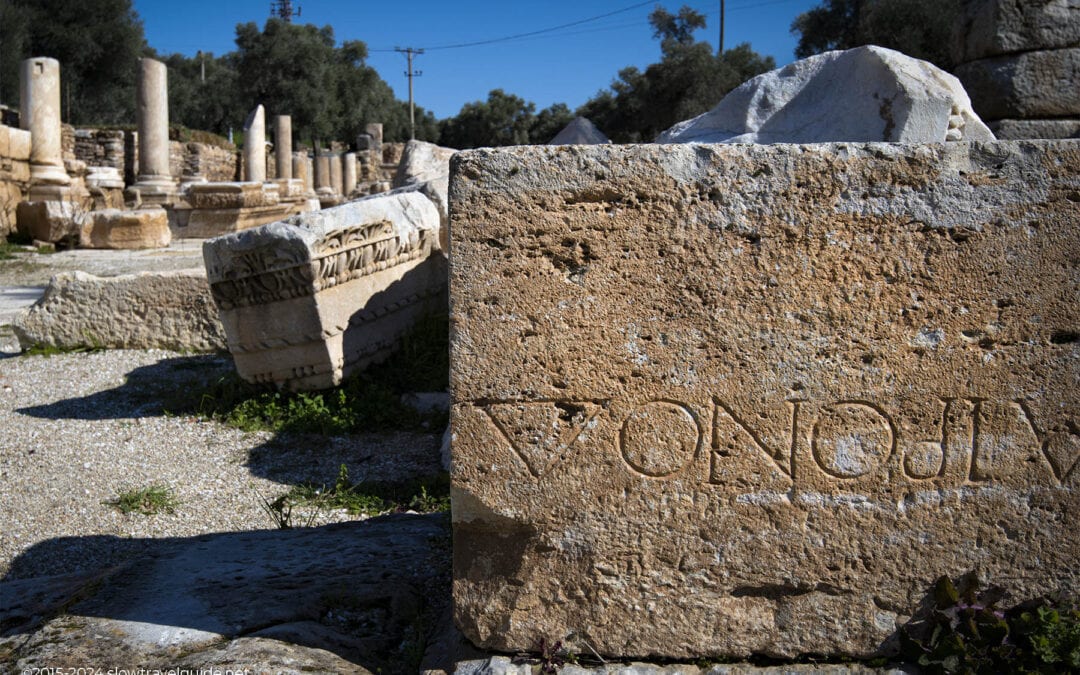
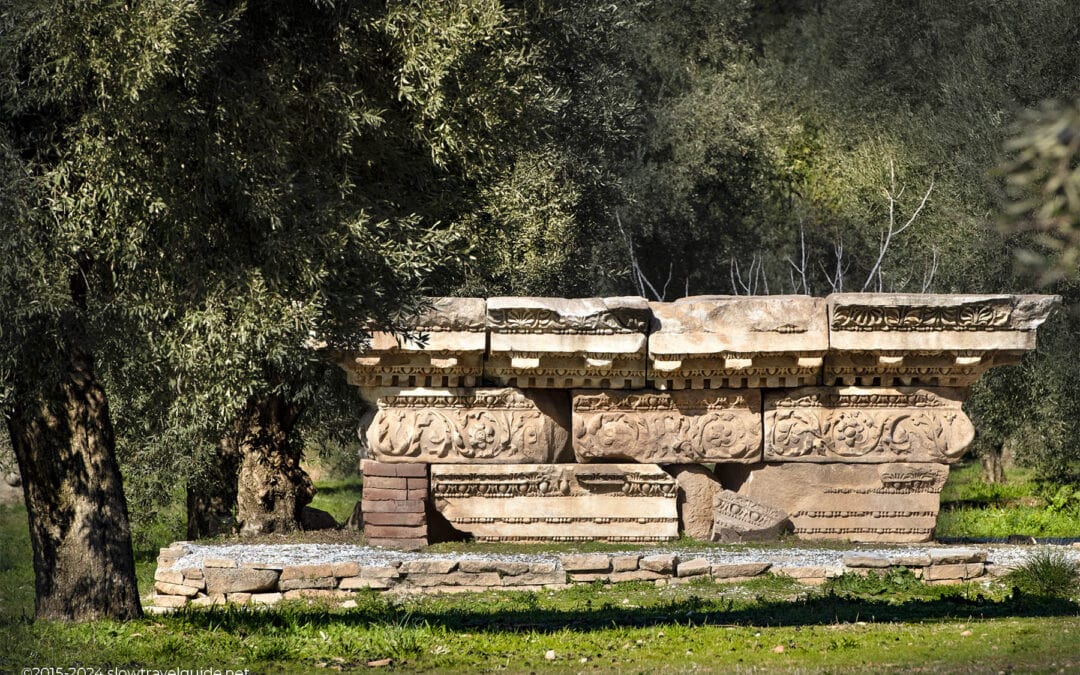
THE LIBRARY
Constructed in 130 AD, Nysa’s library doubled as a courthouse and an auditorium. Its main interior area included two stories of wooden galleries with sixteen bookcases. During court sessions, a platform at the northern end of the room served as a speakers’ tribunal. Archaeologists discovered the building’s founder’s sarcophagus in front of the structure while doing excavations. The Aydın Archaeology Museum currently has the sarcophagus on exhibit.
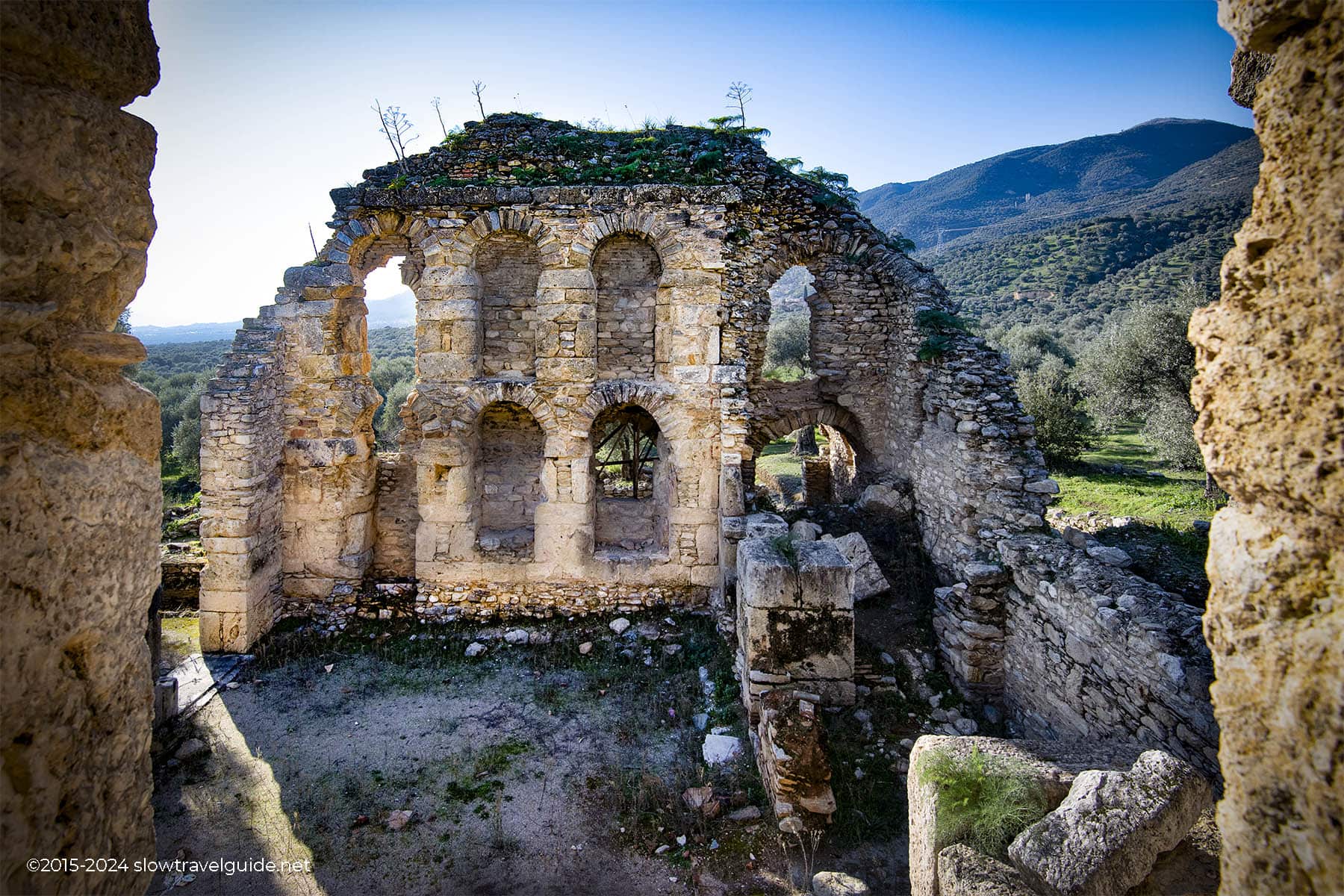
Inside Nysa’s Library
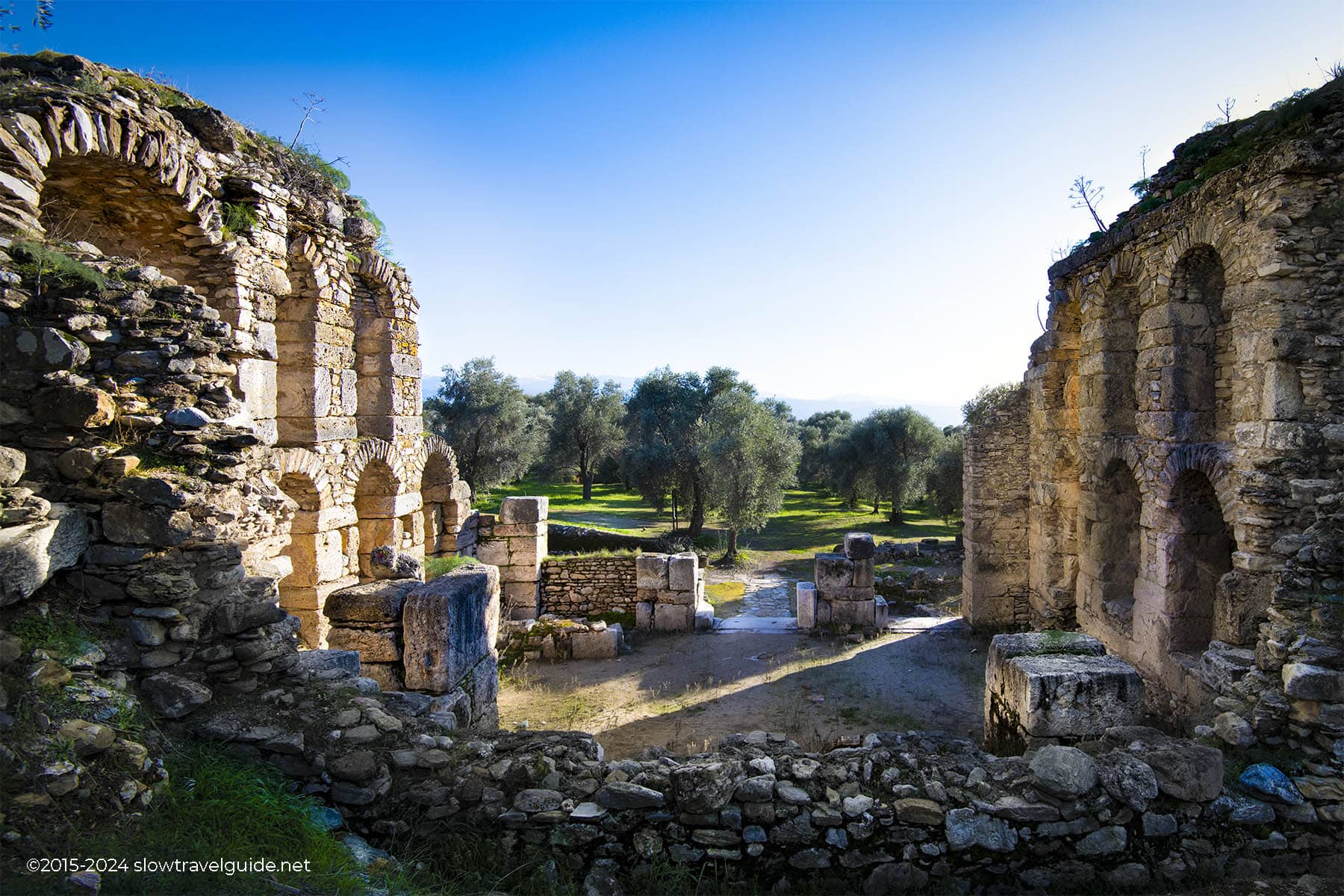
At The Back Of The Library At Nysa
OTHER LANDMARKS AT NYSA
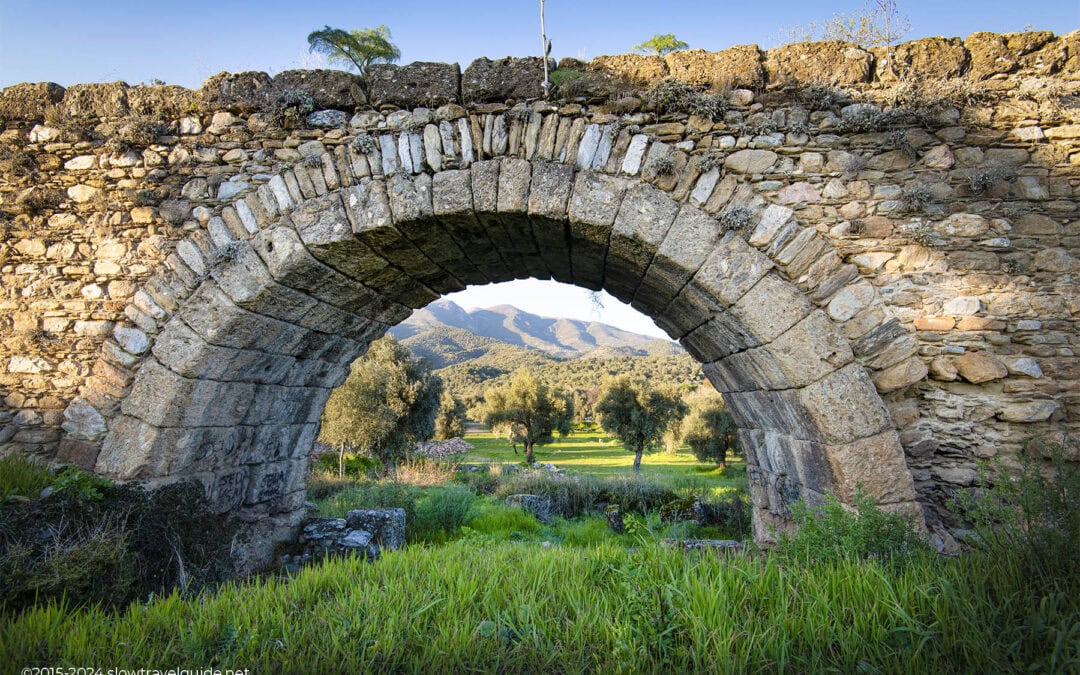
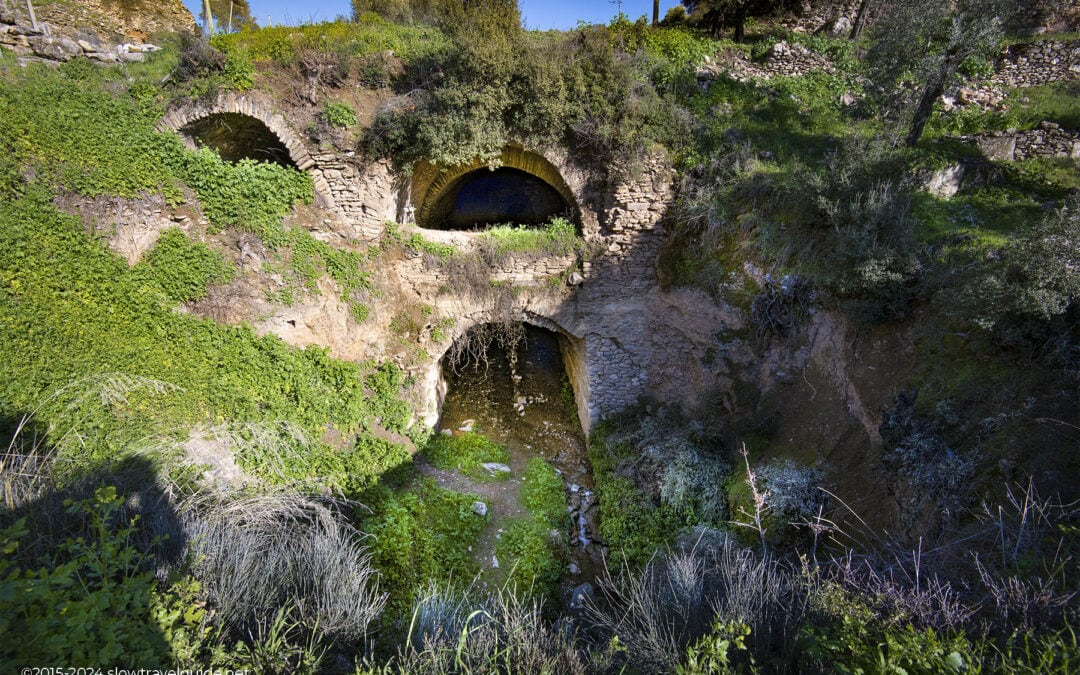
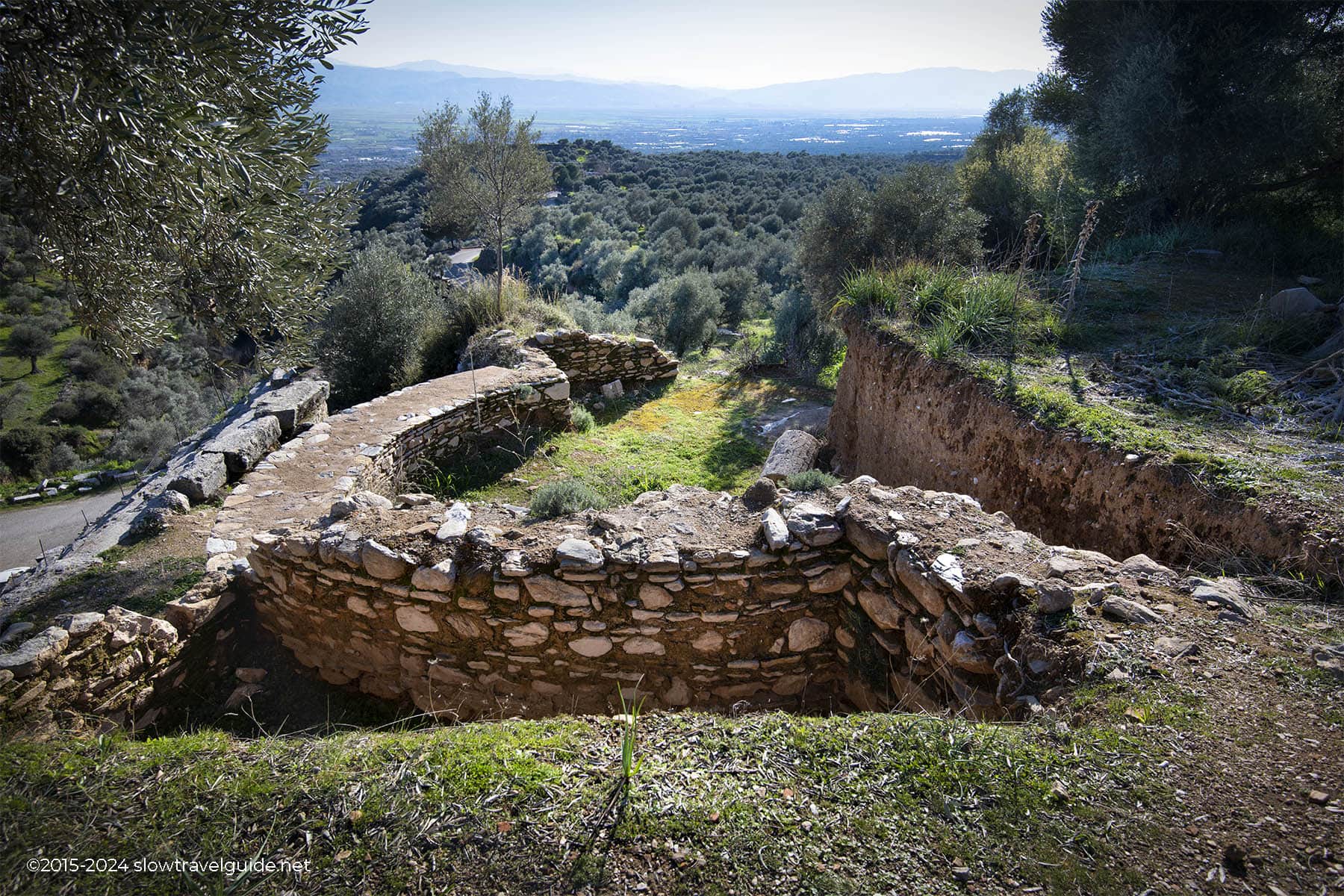
Among the other ruins and buildings at the location is the magnificent Stadium, which was constructed in line with the terrain of the area and is only partially intact. Along with Roman tunnels and bridges, there are temples, churches, and stores, as well as a 2nd-century AD gymnasium right before the entry gates. While some landmarks are more impressive than others, every landmark in Nysa adds to the rich experience that is the city.
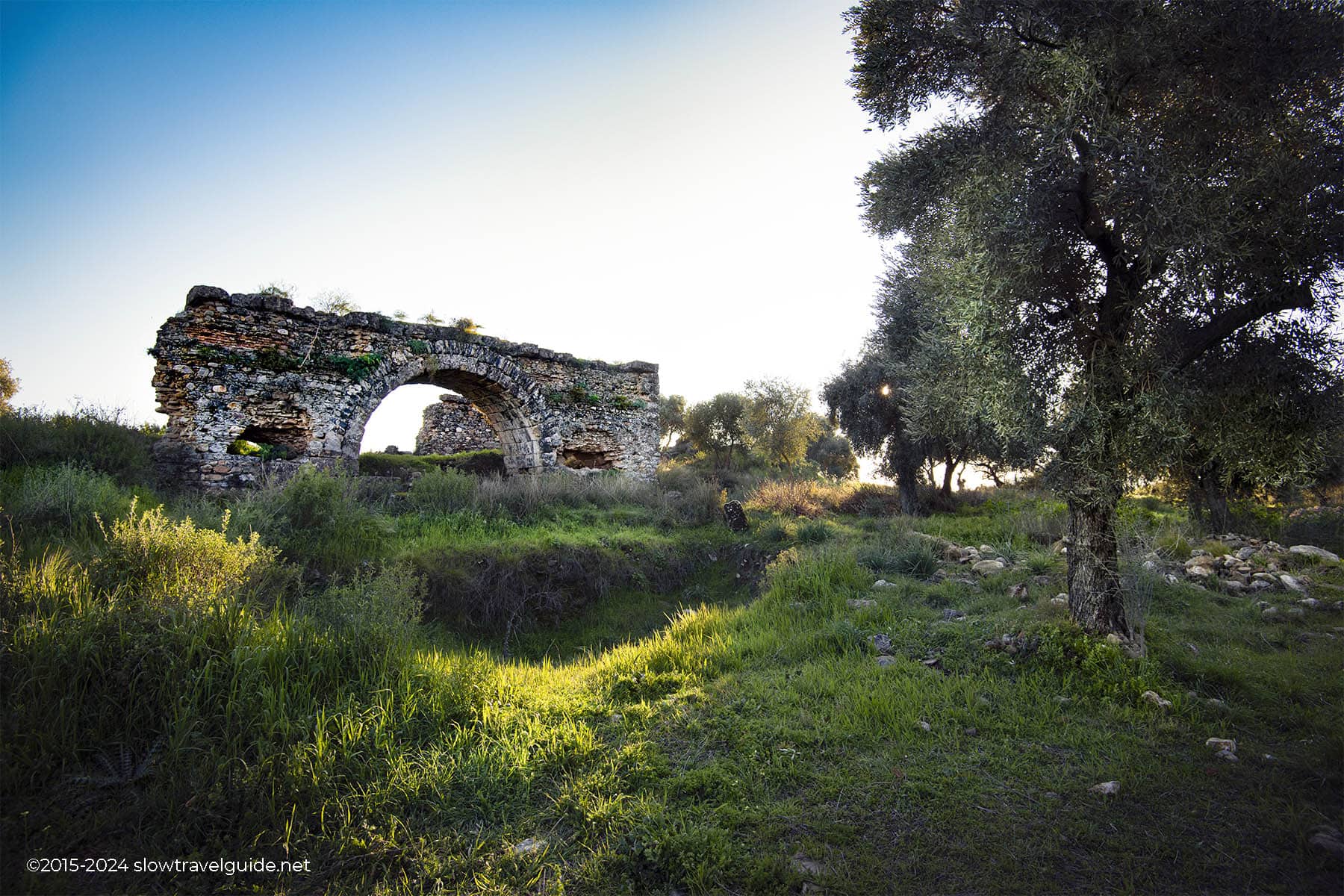
The Remains Of The Gymnasium
View From The Main Street Towards The Stadium
FINAL THOUGHTS
This site is well worth a visit if you’re in the area. It has some beautiful buildings and ruins, most of which have an information board giving you more insight into the excavation works and history. And, maybe the most important thing, the site has a very peaceful feel to it, at least if you visit on weekdays.
This brings us to the only downside: there’s a road that cuts the site in half. While this is undoubtedly a huge plus for anyone with mobility issues, this also means that people tend to drive from one landmark to the next. This is particularly the case during the weekends when Turkish families visit the site hopping in and out of their cars to take pictures. But please, do not let this keep you from visiting Nysa. Entire areas are far away from the road, and on weekdays, you probably won’t see any other visitors, except maybe a local attending to his olive grove.
For more practical tips to prepare your visit, head over to the tabs below this post.
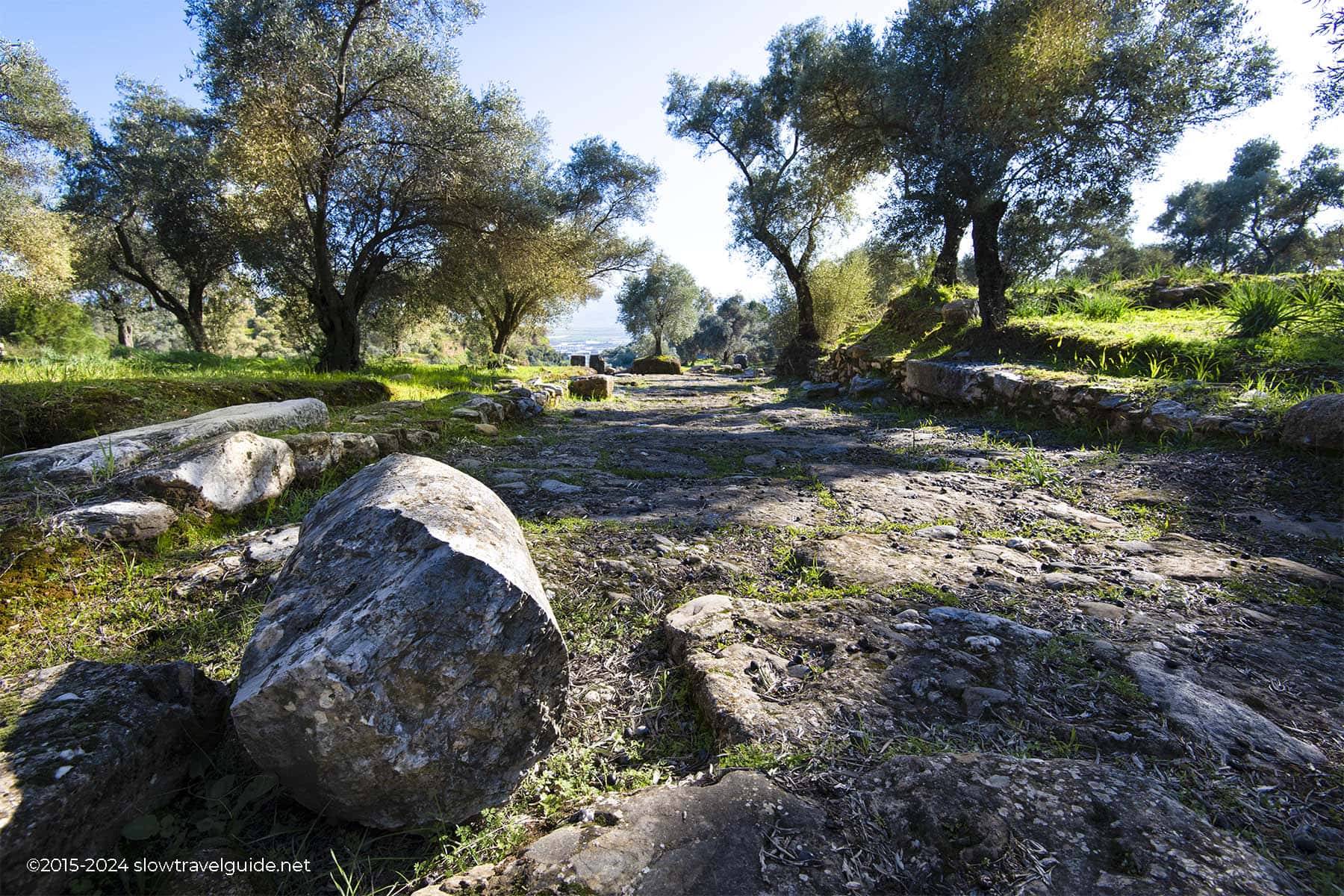
Street Connecting The Library With The Shops
© 2016-2022 All rights reserved by slowtravelguide.net.
The content of this website is copyright protected and the property of slowtravelguide.net.No part of this website may be reproduced in whole or in part in any manner without the written permission of the copyright owner.
Copyright ©2016-2022 Tüm hakları saklıdır. Bu (slowtravelguide.net.) web sitesinin içeriği koruma altındadır ve slowtravelguide.net.Buradaki hiçbir içerik (yazı,fotoğraf,video vb.) izinsiz olarak kopyalanamaz, alıntı yapılamaz,başka yerde yayınlanamaz.